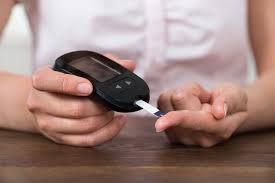

Diabetes can develop gradually, and early signs are easy to dismiss. Some symptoms overlap with other conditions, but patterns matter over time. If you notice several changes together, you should pay attention. Your body could be signaling a problem with blood sugar.
Thirst and Urination Signs
Being more thirsty than usual is a common sign of diabetes. Excess urination often appears with thirst, and both sometimes disrupt sleep and daily routines. When blood sugar stays high, your kidneys work harder. Some people urinate often as their body removes extra glucose. Dry mouth also occurs. Some people notice they need to drink more water than before. While some wake up at night to drink water, some use the bathroom much more.
These changes seem minor at first, but they become more noticeable over time. Thirst after exercise or hot weather is common, but ongoing thirst without a clear reason deserves attention. If you keep drinking fluids and are still thirsty, note how often it happens and if urination has increased. Tracking both symptoms can help you, since it gives your clinician information. Ravenous appetite also sometimes develops.
Infection Warning Signs
When the body is stressed, skin changes may become more noticeable. A scrape, blister, or cracked skin stays irritated longer than usual. Notice if minor wounds linger. Check your feet, legs, and hands regularly, because small injuries in these areas are easy to miss. Especially if you also have tingling or numbness. If a sore is not improving, gets larger, or shows signs of infection, contact a clinician for evaluation. Frequent infections may also occur. These can include gum, skin, or vaginal infections. If infections occur frequently or recur after treatment, medical testing helps clarify the cause. Some people notice bleeding gums, and others have lasting skin irritation. A single infection can occur for many reasons, but repeated infections within a short period warrant attention.
Vision and Nerve Changes
Blurry vision is one of the signs. It may come and go, but changes in sight should be checked. When blood sugar levels shift, fluid changes can affect the eye. Vision sometimes becomes less clear until levels stabilize. Your usual glasses may seem less effective. Blurry vision does not always mean diabetes. Extreme fatigue is also common. You may be tired and weak after normal activities. Some people also notice irritability or mood changes. When cells cannot use glucose, energy levels drop, causing fatigue that persists even after rest. Providers may recommend:
- Tracking when blurry vision starts, how long it lasts, and whether it affects reading, driving, or screen use.
- Noting when fatigue is strongest and whether irritability or low focus happens at the same time.
- Paying attention to tingling or numbness in the hands or feet, including timing, severity, and whether it affects sleep or movement.
Clear notes can help your clinician review patterns more accurately. Your provider has answers for you, so do not hesitate to reach out. When these symptoms continue or appear together, a medical exam matters.
Get a Diabetes Evaluation
If you have several of these signs, schedule a medical evaluation soon. If you have ketones in your urine, seek urgent care. Early testing helps you understand the cause. Write down your symptoms, and note when they started.