
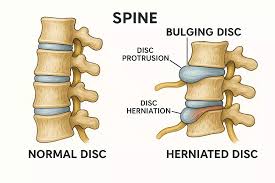

Degenerative disc disease describes the wear and breakdown of the spinal discs over time. The discs lose hydration, and they grow thinner as the years pass. You might feel stiffness, aching, or sharp pain in your neck or lower back. Several treatment paths exist, so this guide walks you through four options and what each one involves.
1. Gentle Exercise Routines
Gentle movement keeps your spine flexible when you have degenerative disc disease. Low-impact activities such as walking, swimming, and stationary cycling place less stress on the discs, and they support the muscles around your spine. When you stay active within your limits, you aim to reduce the stiffness that comes with disc degeneration.
Your doctor may suggest a structured routine. Simple stretches help loosen tight muscles, and core-strengthening moves give your back more stability. A few options include:
- Pelvic tilts
- Knee-to-chest stretches
- Wall sits
2. Physical Therapy
Physical therapy targets the specific muscles that support your spine. A therapist assesses your posture and movement, and then they build a plan around your needs. This hands-on approach addresses weakness and limited motion that contribute to your pain.
Sessions typically combine manual techniques with guided exercise. The therapist may use heat, massage, or stretching to ease tension before you move. Because therapy progresses in stages, you learn to manage symptoms while you build strength over several weeks.
3. Epidural Steroid Injections
Epidural steroid injections deliver medication near the affected nerves. A physician injects a corticosteroid into the epidural space, and the medication targets inflammation around the disc. This option suits people whose pain limits daily movement.
The procedure takes only a short time in a clinical setting. Imaging guides the needle, so the medication reaches the correct spot. Relief varies from person to person, and the effects may last from weeks to several months.
You might receive a small number of injections over a year. The exact schedule depends on your response and your physician’s assessment. Doctors monitor each round closely, and they adjust the plan when symptoms change.
4. Surgical Intervention Referrals
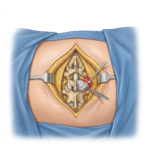
Surgery becomes an option when other treatments no longer manage your symptoms. Surgeons weigh the severity of nerve compression, and they review your imaging before they recommend a procedure. Many people try conservative care first.
Surgical procedures address different problems in the spine. Each one carries specific goals and recovery timelines. Surgeons may discuss these approaches:
- Surgical discectomy to remove damaged disc material
- Spinal fusion to join two vertebrae
- Artificial disc replacement
Recovery depends on the type of surgery you receive. Some procedures require a hospital stay, and others allow you to return home the same day. Your surgical team outlines a recovery plan, so you know what to expect after the procedure.
Address Degenerative Disc Disease
Degenerative disc disease has several treatment paths, from gentle exercise to surgery. Each option targets a different stage of the condition. Conservative care often comes first, and more involved procedures follow when symptoms persist. Your choice depends on your symptoms, your imaging, and your physician’s guidance. Schedule a consultation with our spine care team today to discuss your symptoms and review your options.