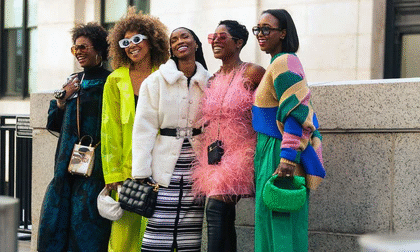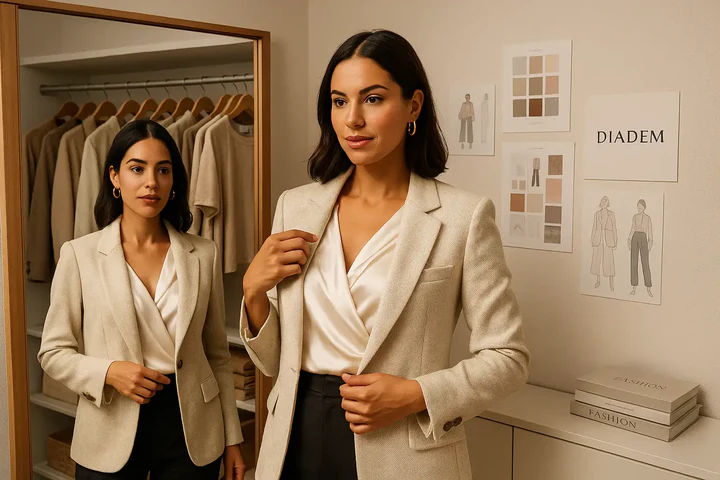

Personal style is not about following every fashion trend or buying expensive clothes. It is about expressing who you are through what you wear and how you present yourself. When you build your personal style, you feel more confident, comfortable, and authentic in your daily life.
Many people think personal style is something you are born with, but that is not true. Personal style is learned, practiced, and refined over time. In this article, you will learn how to build personal style step by step in a simple and stress-free way.
What Is Personal Style?
Personal style is the way you choose to dress, groom, and present yourself. It reflects your personality, lifestyle, values, and preferences. Your style may be casual, elegant, minimal, bold, creative, sporty, or a mix of many things.
Personal style is not about impressing others. It is about feeling good in your own skin. When your clothes match who you are, you naturally feel more confident.
Why Building Personal Style Matters
Building personal style is important because:
- It boosts self-confidence
- It saves time when choosing outfits
- It helps you shop smarter
- It makes a strong first impression
- It allows you to express your personality
When you know your style, you stop copying others and start dressing with intention.
Step 1: Understand Yourself First
The first step in learning how to build personal style is understanding who you are.
Ask yourself these questions:
- What kind of clothes make me feel comfortable?
- Do I prefer simple or bold outfits?
- What colors do I feel happy wearing?
- What is my daily lifestyle like?
Your job, hobbies, climate, and daily routine all affect your style. Someone who works in an office will dress differently from someone who works from home or outdoors.
👉 Tip: Your personal style should fit your real life, not a fantasy life.
Step 2: Find Style Inspiration (But Don’t Copy)
Inspiration is helpful, but copying is not. Look for ideas from:
- Social media (Pinterest, Instagram)
- Movies and TV shows
- Celebrities or public figures
- Fashion blogs or magazines
Save outfits that catch your eye and then look for patterns. Maybe you like neutral colors, oversized clothing, or classic looks.
Instead of copying an outfit exactly, ask:
“What do I like about this look?”
Then adapt it to your body, budget, and lifestyle.
Step 3: Know Your Body Shape and What Feels Good
Personal style is not about hiding your body; it is about feeling comfortable and confident in it.
Learn:
- What fits you well
- What fabrics feel good on your skin
- What cuts make you feel confident
Ignore outdated “rules” about body types. If you love something and feel good wearing it, it works for you.
👉 Comfort is a key part of great personal style.
Step 4: Choose a Color Palette You Love
Colors play a big role in personal style. Some people love bright colors, while others prefer neutral tones.
Start by choosing:
- 2–3 main colors
- 2 neutral colors (black, white, beige, gray, navy)
This makes mixing and matching outfits easier and helps your wardrobe feel more connected.
👉 Wear colors that make you feel confident, not just what is trending.
Step 5: Build a Strong Basic Wardrobe
Basics are the foundation of personal style. These are items you can wear again and again.
Examples of basics:
- Well-fitted jeans or trousers
- Simple t-shirts or tops
- Comfortable shoes
- A jacket or coat you love
Once you have good basics, you can add statement pieces like patterns, accessories, or unique items.
👉 Quality matters more than quantity.
Step 6: Express Yourself with Details
Small details make a big difference. This is where your personality shines.
Think about:
- Accessories (watches, jewelry, scarves)
- Shoes
- Hairstyles
- Bags
- Glasses
These details can turn a simple outfit into a personal one. Choose items that feel like “you.”
Step 7: Stop Chasing Trends
Trends come and go, but personal style stays. You do not need to follow every trend to look good.
Before buying something trendy, ask:
- Do I really like this?
- Will I wear it next year?
- Does it match my style?
Use trends as inspiration, not rules.
Step 8: Edit and Evolve Your Style
Personal style changes as you grow. That is normal.
From time to time:
- Clean your wardrobe
- Remove items you no longer love
- Notice what you wear most
Your style should grow with your life, not stay stuck in the past.
Common Mistakes to Avoid
When learning how to build personal style, avoid these mistakes:
- Dressing only for others
- Buying clothes just because they are cheap
- Following trends blindly
- Keeping clothes you never wear
- Being afraid to experiment
Personal style is a journey, not a competition.
Final Thoughts on How to Build Personal Style
Building personal style takes time, patience, and self-understanding. There is no “perfect” style, only your style.
Start small. Try new things. Learn from mistakes. Most importantly, wear what makes you feel confident and comfortable.
Your personal style is your story—tell it your way.
Frequently Asked Questions (FAQs)
1. How long does it take to build personal style?
Building personal style is a gradual process. Some people find their style in months, others take years. The key is consistency and self-awareness.
2. Do I need expensive clothes to have personal style?
No. Personal style is about fit, comfort, and confidence, not price. Affordable clothes can look great when chosen wisely.
3. Can my personal style change over time?
Yes. Your style will naturally change as your lifestyle, interests, and confidence evolve.
4. How do I find my personal style if I feel confused?
Start with basics, notice what you enjoy wearing, and remove pressure. Inspiration and experimentation help a lot.
5. Is personal style only about clothing?
No. Personal style also includes grooming, posture, attitude, and how you carry yourself.