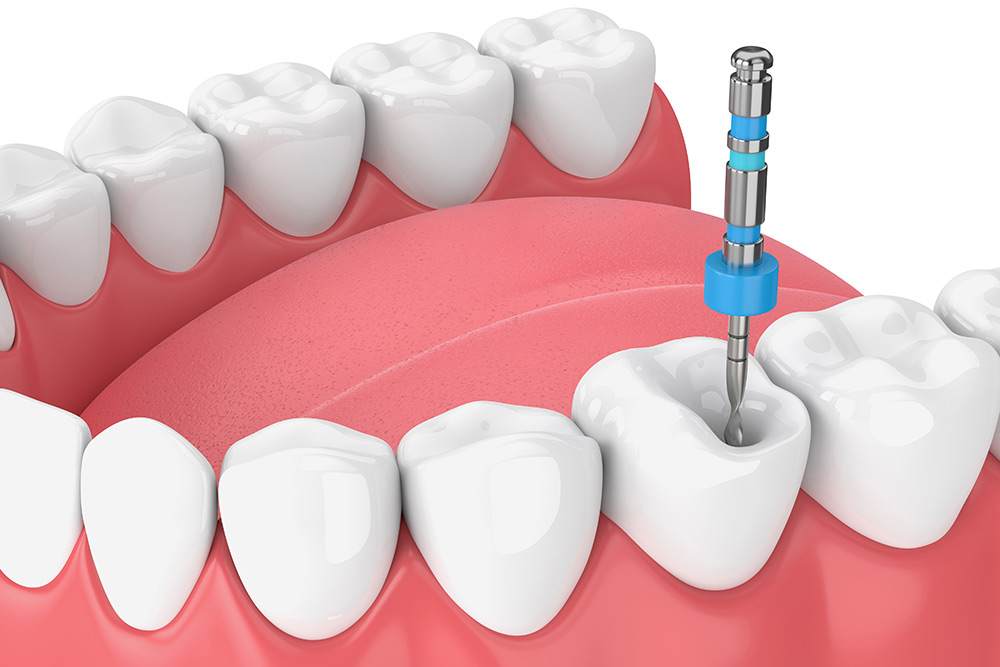

Root canals remove infected pulp and help protect your tooth. Mild soreness can happen after treatment, but some symptoms need prompt attention. Learn which signs may point to infection, while knowing when to call your dental provider.
Monitor Pain Changes
Some discomfort after root canals is normal. Mild soreness often improves within a few days, and pressure during treatment is also common. Some also notice tenderness around the tooth, but that discomfort should slowly decrease as the area heals. Pain that persists or worsens deserves closer attention, especially if rest and routine care do not help. Normal recovery feels more manageable each day, but infection often causes symptoms that linger or intensify.
Pay attention to timing, because pain signals a problem. Discomfort that wakes you at night, or pain spreading into the jaw, can also suggest healing is not going as expected. Pain that gets worse after treatment needs attention. If the pain throbs or if it becomes sudden and intense, contact your provider. This pattern can suggest the presence of infected pulp remnants, and it may require further care. Pain that feels deep, steady, or hard to locate should be evaluated. You should note whether the pain starts on its own, because discomfort without chewing or touching the tooth may signal ongoing irritation. A treated tooth sometimes stays sore for a short time, but pain that becomes more frequent deserves a closer look.
Watch for Swelling
Mild tenderness can happen after treatment, but visible puffiness should improve. Swelling in the cheek or gum is not a routine part of recovery. If swelling starts several days after the procedure or returns after early improvement, contact your provider. Watch for these swelling-related signs:
- Puffiness in the cheek or gum that becomes more noticeable each day.
- A raised, pimple-like bump on the gum.
- Pus or fluid drainage, sometimes with an unusual taste.
- Pressure, tightness, or tenderness when touching the area.
- Swelling that makes chewing harder or makes the tooth feel raised.
The gum may look red, and a bump sometimes drains and return, suggesting the infection has not cleared. Some people have little pain at first, but the area still needs attention. Swelling can spread beyond the treated tooth, and that pattern matters. If the cheek looks fuller, if the gum feels firm, or if pressure increases while chewing, healing may not be on track. Your provider will answer any questions you have.
Notice Tooth Discoloration
A darkened tooth does not always indicate infection, but it should still be checked. Some notice the tooth looking gray, brown, or duller than nearby teeth, and this change can develop slowly. Sometimes the color shift is easy to miss, but it becomes clearer in bright light or photos. If the tooth darkens while other symptoms appear, your provider should evaluate the area. A tooth that suddenly looks different from nearby teeth may need closer review, especially if the change continues. It also helps to note when discoloration started, as timing provides your provider with useful information. You may notice the tooth looks darker near the gumline, while the rest of the tooth appears only slightly changed. That pattern can be useful to report. It gives your provider more details.
Discuss Root Canals Today
If you notice throbbing pain, swelling, pus drainage, chewing pain, long-lasting sensitivity, or tooth discoloration, contact your provider. These signs may indicate infection, and prompt care can help prevent further problems. You can also support healing at home. Do not chew on the treated tooth until the permanent crown is placed. Avoid smoking, brush after meals, and floss once a day.