
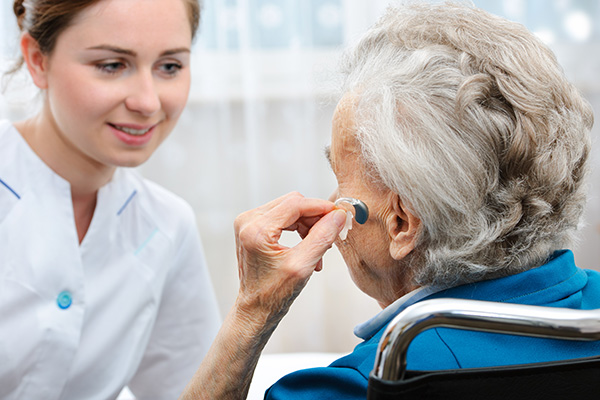

Regular hearing check-ups make sure hearing aids continue to support clear communication and daily comfort. Hearing needs may change, and devices may require adjustments, cleaning, or performance checks over time. Routine visits allow hearing care professionals to monitor hearing health and keep hearing devices working effectively. Here is why regular hearing check-ups are fundamental for hearing aid users:
Tracking Hearing Changes
Auditory capabilities fluctuate as people age; a device that works perfectly today may not provide the same benefit next year. Audiologists must also update programming to match the current auditory profile. Users should contemplate annual evaluations to capture these gradual shifts effectively. These appointments help patients avoid prolonged periods of inadequate amplification.
Professionals conduct pure-tone testing during these visits. The results generate an updated audiogram, which serves as a map for reprogramming the hearing aids. This proactive approach also catches rapid declines early so doctors can intervene promptly. Medical teams rely on these precise measurements to guide ongoing therapy.
Improving Device Fit and Comfort
Physical comfort often dictates how often a patient wears their hearing aids. The shape of the ear canal changes gradually over time, and these structural shifts can cause a previously well-fitting aid to become loose or painful. Audiologists inspect the physical fit during check-ups to make sure the equipment rests securely. Proper physical placement prevents skin irritation inside the ear canal. A poor fit often leads to acoustic feedback or whistling sounds. Technicians modify the device’s outer shell or dome, eliminating this annoying side effect.
Adjusting Sound Settings
Digital hearing aids process complex acoustic information continuously. The built-in microphones capture environmental sounds, and internal computer chips analyze the data to produce an appropriate signal. Technicians evaluate internal processing during clinical visits to make sure the output matches the patient’s needs. Proper calibration eliminates background noise interference.
Users often encounter new listening environments that require different software settings. An audiologist programs specialized modes for noisy restaurants or quiet conversations, and these custom profiles may enhance overall speech comprehension. Patients may find these adjustments fundamental for navigating diverse acoustic landscapes.
Ongoing Maintenance and Long-Term Care
Proper upkeep can significantly extend the lifespan of hearing aids. Clinical staff teach patients fundamental cleaning protocols, and they perform deep-cleaning procedures that cannot be done at home. Here are standard maintenance strategies users can follow:
- Daily cleaning: Wipe the shell with a dry cloth to remove natural skin oils and debris.
- Moisture control: Store the equipment in a specialized dehumidifier overnight to prevent internal corrosion.
- Battery management: Replace standard batteries regularly or keep rechargeable models properly docked to maintain consistent power.
- Filter replacement: Change wax guards monthly to stop blockage of the delicate speaker components.
Clinical teams provide replacement parts during visits, which keep the hardware functioning at peak capacity.
Schedule Your Hearing Aids Assessment
Routine clinical visits are key for anyone using hearing devices. These appointments address gradual auditory shifts, and they make sure the hardware remains comfortable and effective. Patients can preserve their auditory health by prioritizing professional oversight. Contact a reputable ear clinic near you to schedule your hearing aids asssessment today.