

Knee pain refers to discomfort in or around the knee joint; it can develop after a sudden injury, build up over time from strain, or be related to age-related wear that affects joint function. The right approach to managing pain depends on the source of symptoms and the limits on someone’s movement. Knee pain treatment can be helpful for athletes, active adults, older adults, and people recovering from overuse or injury. Here’s information on optimizing knee healing through rest and targeted therapy:
Getting Enough Rest
Rest is often one of the first steps in knee healing. It gives irritated tissues time to settle and helps reduce stress on the joint during daily activity. Rest does not mean complete inactivity, but it usually means reducing movements that increase pain, swelling, or instability. A practical rest plan while recovering from a knee injury can include:
- Limiting Running, Jumping, or Deep Bending
- Avoiding Activities That Trigger Sharp Pain
- Using Supportive Footwear
- Modifying Work or Exercise Routines
Rest should be targeted, meaning it should match the type of knee problem someone has. A person with pain after repetitive training often needs a temporary reduction in mileage, while someone recovering from a twist injury may need to avoid pivoting movements. Keeping a simple record of symptoms can help identify which activities worsen the knee and which ones are tolerated. This record can help individuals know when to visit a specialist for knee pain treatments.
Incorporating Physical Therapy
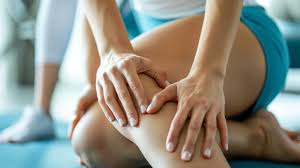
Physical therapy supports knee recovery and improves movement patterns for many conditions. A physical therapist will assess an individual’s strength, flexibility, walking mechanics, balance, and joint motion. This helps shape a personalized plan that fits the person’s activity level and knee condition. Exercises often focus on the quadriceps, hamstrings, gluteal muscles, and calf muscles, as these areas can affect how force moves through the knee. Progress is usually based on function, not speed alone. A therapy program may also include stretching, step work, or low-impact conditioning such as cycling.
Some common physical therapy goals include:
- Improving range of motion
- Strengthening the muscles around the knee and hip
- Supporting balance and control
- Reintroducing activity in a gradual way
A recreational runner with front knee pain may start with hip strengthening, reduced mileage, and form changes. An older adult with stiffness may work on joint motion and basic strength to improve their walking tolerance. In both cases, the therapy plan should be adjusted if symptoms increase.
Adding Advanced Treatments
When rest and therapy do not provide enough improvement, an orthopedic specialist can discuss additional treatment options. These approaches are selected based on the likely cause of pain, imaging findings (when needed), and an individual’s goals. Knee injections are recommended to manage symptoms or support a rehabilitation plan. Depending on the clinical situation, an orthopedic specialist can discuss several types of injections; these options differ in purpose, timing, and expected duration.
Cold Laser Therapy
Cold laser therapy is a noninvasive treatment that uses low-level light applied to the affected area to reduce soft-tissue irritation or joint-related symptoms. The treatment is generally fast, and it doesn’t involve heat or surgery. People should ask what the treatment is intended to address, how many sessions are recommended, and how progress will be measured. Asking questions helps set realistic expectations and keeps individuals involved in their healthcare.
Surgeries
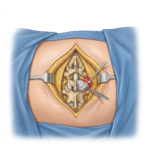
Surgery is recommended for knee pain when structural damage affects stability, movement, or daily function. Not every knee problem requires surgery, but some conditions may need a procedural evaluation. Surgical planning usually includes imaging, physical examination, symptom history, and recovery goals. Recovery timelines vary by procedure, and rehabilitation is often a key part of the process. Some common knee surgeries include meniscus repair for certain cartilage tears, osteotomy to change load distribution in selected cases, and ACL reconstruction after ligament injury.
Schedule a Knee Pain Treatment
Knee pain can affect your routine movements, so a medical evaluation is often necessary to manage conditions effectively. Rest, physical therapy, and advanced treatments each have a role depending on the problem and your health history. If your symptoms are interrupting your daily life, contact an orthopedic specialist for a consultation. A specialist can help identify the cause of your symptoms and outline practical treatment options to address them.