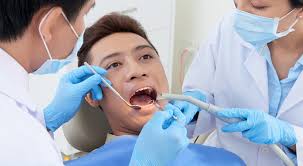

An emergency dentist provides immediate medical intervention for severe oral injuries and sudden dental trauma. Patients often experience unexpected accidents, and these professionals address the resulting acute symptoms right away. Because severe tooth trauma escalates quickly, individuals should act fast to mitigate permanent damage before arriving at the clinic. Some general dentists offer emergency treatment, but other clinics are solely dedicated to treating emergency situations.
Take Pain Medication
Many dental injuries cause significant discomfort, so patients should ask a dentist about taking standard pain medications to reduce inflammation and pain. Be sure to check for side effects like blood thinning before taking a medication, as certain standard painkillers can cause issues. These medications can also offer pain management during and after emergency treatment. If patients have questions about which medications to take, an emergency dentist can offer safe options.
Cold compresses placed against the cheek also numb the area effectively. Applying ice dulls the radiating nerve signals, and it allows the body to focus on healing rather than inflammation. Wrap the ice pack in a cloth, or place a cold towel directly against the skin. While the temperature constricts local blood vessels, the medication begins to reduce the systemic pain response.
Save Dental Pieces
Preserving broken tooth fragments increases treatment options available at the clinic. When a tooth gets knocked out completely, the crown should handled by the patient carefully. First, be sure to rinse off the dental piece. Then, place the dislodged tooth into a small container of milk, and the liquid preserves the root cells so the tooth can be safely inserted by a dentist.
The dentist needs the intact pieces to attempt a successful reimplantation procedure. Sometimes patients use a mild saline solution to preserve the tooth, or they tuck the tooth safely inside their cheek. Because dry environments destroy the delicate root tissues rapidly, keeping the fragments keeps the cells alive for healing. Avoid placing the tooth in plain water.
Keep the Mouth Clean
Debris can enter the open wound easily after a traumatic facial impact. Remove foreign particles by rinsing the mouth gently with warm water, and avoid eating hard foods before treatment. As the fluid washes over the lacerations, it flushes out loose debris gently.
The oral cavity contains bacteria, and these microorganisms can multiply quickly inside untreated tissue tears. Until a professional evaluates the structural damage, avoid brushing near the exposed nerve endings. Quick intervention can help individuals avoid issues with bacterial growth.
Warm salt water provides a mild sanitizing effect for the damaged gums. Dissolve a teaspoon of table salt into a cup of warm water, and use this mixture as an isotonic wash. Since scrubbing agitates the compromised area further, the gentle liquid rinse serves as the safest cleaning method.
Visit an Emergency Dentist
After a patient experience oral trauma, their preparation to visit an emergency dentist can increase treatment options. An immediate evaluation by a dental professional should be scheduled, and the clinical staff and attending dentist can determine the extent of the trauma. Contact an emergency dental office to inquire about their policies for preparing for a visit to their office.