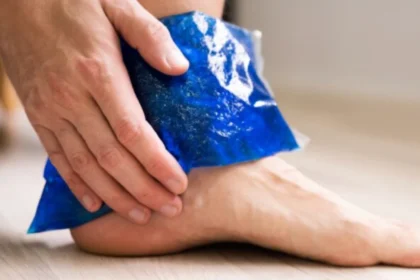

Comprehensive diabetic wound care involves specialized medical treatments for chronic ulcers on the legs of affected individuals. Patients frequently develop these injuries on their feet due to advanced peripheral neuropathy, so patients cannot feel damage as easily, and uncontrolled high blood sugar impairs the body’s natural healing processes. Because lower blood flow restricts oxygen delivery, the consequences of untreated wounds on the legs present unique dangers. Immediate professional intervention consistently prevents these dangerous consequences from occurring.
Increasing Comfort
Progressive nerve damage causes reduced feeling in the legs, but patients still may experience pressure from untreated foot ulcers. As one form of diabetic wound care, podiatrists apply specialized offloading footwear to reduce mechanical stress on the compromised skin. This precisely targeted medical intervention minimizes destructive friction during a person’s routine daily movements. Custom orthotic inserts distribute the patient’s body weight evenly across the sole, and this adjustment relieves intense localized strain.
Since fluid buildup creates tissue swelling around an injury, clinical specialists utilize compression wraps to promote circulation throughout the leg. Frequent sterile bandage changes maintain a dry healing environment for the compromised skin. Dedicated medical teams clean the ulcerated site during every scheduled clinical visit, and they may apply topical treatments to soothe the irritated surrounding skin. These minimal treatments aid in healing and prevent further complications, like infection and necrosis.
Preventing Infection
Weeping open sores expose internal tissues to environmental bacteria. If invasive pathogens enter the patient’s bloodstream through an open lesion, they often trigger an inflammatory response throughout the person’s body. Antibiotics can be prescribed by healthcare providers to eliminate bacterial infections, and they monitor the site for visible signs of fluid drainage. Unchecked bacterial infection often destroys healthy surrounding muscle fibers.
If an infection has already caused severe damage, routine surgery removes decaying material from the compromised wound, and excision lowers the bacterial load. Clean bleeding tissue naturally resists further microbial invasion more effectively than decaying flesh. To aid in the healing process after surgery, medical professionals use antibacterial wraps to protect the wound from further infection. Preventive care often allows a patient to avoid this kind of surgery.
Since high blood sugar levels feed bacterial infections within damaged tissue, blood sugar management prevents the progression of infections. Diabetic patients should track their daily glucose throughout the day, and medical staff often adjust prescription insulin dosages accordingly. This consistent monitoring stops infectious agents from multiplying within the damaged foot tissue. Several methods for controlling infection may be employed by a patient’s physician to increase the odds of overcoming it.
Avoiding Tissue Death
Localized lack of circulation to an area can lead to permanent cell death in the legs and feet of diabetic patients. To avoid this, surgeons may perform arterial bypass procedures on blocked leg arteries to restore arterial blood flow to the limb. As a less invasive option, individuals can undergo hyperbaric oxygen therapy to saturate the blood with oxygen, and this helps to accelerate cellular repair. Unless a doctor can find a treatment that opens blood vessels in the leg, the body cannot replace cells. Early treatment can make the difference between invasive surgery and minimal treatment.
Learn More About Diabetic Wound Care
Persistent diabetic wounds require specialized medical attention from trained professionals, and customized clinical interventions effectively stop tissue degradation. For those who experience wounds due to diabetes, a physician can treat wounds more easily when they’re caught early. Consult with a specialist to discuss options for your wound care.