


Diabetes is a complex systemic condition that affects multiple bodily systems. When blood glucose levels remain elevated over extended periods, patients can develop a condition known as diabetic neuropathy. This complication often causes discomfort and mobility challenges, and addressing these symptoms requires a comprehensive, multidisciplinary approach. By combining various therapeutic techniques, medical professionals help patients maintain their quality of life.
What Is Diabetic Neuropathy?
Diabetic neuropathy develops when prolonged high blood sugar damages the body’s nerve fibers and blood vessels. Patients may experience symptoms in their extremities, a specific type known as peripheral neuropathy. This form targets the nerves located outside the brain and spinal cord. Symptoms typically manifest as widespread tingling, a burning sensation, or complete numbness in the hands and feet. Another form, proximal neuropathy, impacts the lower half of the body, including the hips, buttocks, and thighs. Focal neuropathy occurs when damage isolates a single nerve. A loss of sensation in the lower limbs also elevates the risk of developing ulcers; these are open sores that resist healing and invite infection.
What Is Pain Management?
Pain management is a comprehensive medical discipline dedicated to reducing physical discomfort for individuals with long-term conditions. Chronic pain can last for months or years, limiting physical activity and affecting mental health. The objective of a pain management program is to help patients cope with their symptoms effectively and improve their overall quality of life.
Medical providers in this field design structured rehabilitation programs based on the specific needs of the individual. Rather than relying solely on prescription medication, these specialists focus on a broad spectrum of interventions. A standard program may incorporate physical therapy and specialized medical procedures. This combination of strategies targets the underlying source of discomfort and equips the patient with the tools needed to perform daily activities.
How Does It Address Neuropathy?
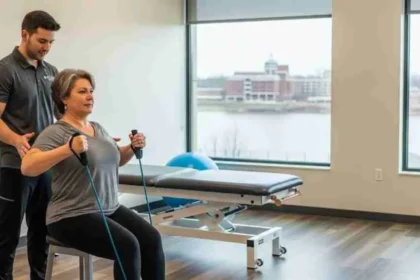
Medical professionals use multiple methods to relieve the symptoms associated with diabetic nerve damage. Since the condition cannot be cured, the aim shifts to preventing further deterioration and alleviating existing discomfort. Physicians create personalized care plans that utilize several interventional techniques. Physical therapy helps patients build strength, improve balance, and maintain muscle function in affected limbs. Doctors may also prescribe specific medications, such as antidepressants or anti-seizure drugs.
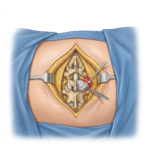
For more targeted relief, specialists can administer nerve block injections containing local anesthetics to numb specific regions. Anti-inflammatory steroid injections are another option, combining steroids and anesthetics to reduce swelling and provide lasting relief. In situations where conventional methods prove ineffective, providers might recommend spinal cord stimulation. This procedure involves placing a small device beneath the skin. The implant emits electrical impulses that interrupt pain signals before they reach the brain and reduce the perception of discomfort.
Seek Professional Pain Management Services
Specialized clinics perform physical examinations and utilize advanced diagnostic tools to evaluate muscle strength, tendon reflexes, and nerve function. Tests such as electromyography and nerve conduction studies accurately measure the electrical activity in the body, allowing doctors to pinpoint the exact location and severity of nerve damage. By securing a precise diagnosis, providers can formulate a targeted care plan that addresses the specific symptoms of the individual. Consulting with a specialist is a necessary step toward restoring physical functionality.