
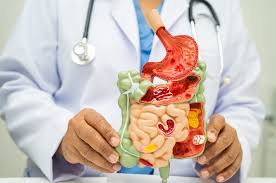

When gastrointestinal symptoms persist over an extended time frame, they require evaluation by a qualified medical professional. Digestive disease specialists possess the expertise required to assess, diagnose, and manage chronic gastrointestinal issues. General practitioners can provide foundational care, but certain complex conditions necessitate specialist care and advanced diagnostic tools, such as an EGD.
What Symptoms Warrant Examination?
Chronic abdominal pain stands out as a primary indicator for a specialist visit; this pain might present as sharp, dull, or cramping sensations. Changes in bowel habits also require medical attention, such as persistent diarrhea or chronic constipation. Patients should also seek specialized evaluation for chronic heartburn or acid reflux. Unexplained weight loss, difficulty swallowing, and chronic nausea serve as secondary signs requiring immediate medical observation. The appearance of blood in the stool or vomit represents a severe symptom, and its presence requires prompt assessment by a digestive disease specialist to rule out serious conditions.
What Conditions Cause These Symptoms?
Gastroenterologists manage a broad spectrum of medical conditions affecting the gastrointestinal tract. They frequently treat inflammatory bowel disease (IBD), which encompasses disorders like Crohn’s disease and ulcerative colitis. These specific conditions cause chronic inflammation in the digestive tract, and they require long-term management strategies to maintain patient wellness. These physicians also address disorders of the upper gastrointestinal tract. Gastroesophageal reflux disease (GERD) and Barrett’s esophagus. Functional disorders like irritable bowel syndrome (IBS) fall under their expertise as well, and managing it requires targeted dietary and medical interventions.
Digestive disease specialists may also focus on hepatology; this involves the liver, gallbladder, and pancreas. They evaluate and manage liver diseases, including hepatitis, fatty liver disease, and cirrhosis. In the lower intestinal tract, they diagnose and remove colon polyps and manage hemorrhoidal banding procedures. They also provide screening and treatment pathways for colorectal cancer.
How Are They Diagnosed?
Physicians rely on advanced imaging and endoscopic procedures for diagnosis, allowing them to view the internal structures of the digestive system. These diagnostic methods allow doctors to identify abnormalities directly and provide access to collect tissue samples for laboratory testing. Endoscopic screenings can be utilized to monitor both the upper and lower tracts.
Colonoscopy
A colonoscopy allows the specialist to examine the inner lining of the large intestine and rectum. During this procedure, the physician inserts a flexible tube equipped with a small camera into the colon. This examination helps detect inflamed tissue, ulcers, and abnormal growths called polyps. Doctors frequently remove these polyps during the procedure; this prevents them from developing into colorectal cancer.
EGD
Esophagogastroduodenoscopy (EGD) focuses on the upper portion of the digestive tract, and the specialist guides an endoscope through the mouth to evaluate the esophagus, stomach, and the beginning of the small intestine. An EGD helps identify the physical causes of certain symptoms, such as chronic heartburn, difficulty swallowing, or upper abdominal pain. The physician can take biopsies of the esophageal or stomach lining to test for infections or other changes.
ERCP
Endoscopic retrograde cholangiopancreatography (ERCP) combines upper endoscopy and X-ray imaging, and it is used to diagnose problems in the bile and pancreatic ducts. The specialist advances the endoscope through the stomach into the duodenum to locate the opening where the ducts drain. By injecting a contrast dye into these ducts and taking X-rays, the physician can identify blockages, gallstones, or cancer.
Consult a Digestive Disease Specialist
Establishing a relationship with a gastroenterologist provides a clear path for managing chronic gastrointestinal health. Following a definitive diagnosis, the specialist develops a targeted management plan. Consistent follow-up appointments allow the physician to track treatment progress and provide the opportunity to adjust medical protocols as needed.