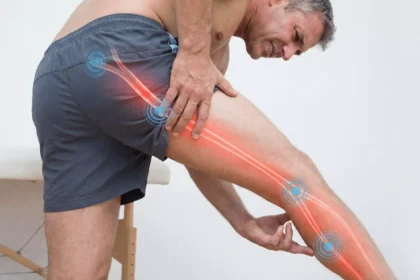

Sports physicals evaluate an athlete’s overall health, fitness level, and readiness to participate in physical activity. These assessments can identify potential health concerns, review injury history, and provide guidance for safer training and competition. Here is a closer look at the impact of sports physicals on athletic performance and safety:
Checking Overall Health Readiness
A sports physical begins with a general health review; a medical provider checks baseline measurements like height, weight, blood pressure, and heart rate. These numbers establish a starting point and flag anything that may need follow-up before athletic activity begins. The physical also includes a review of the athlete’s medical history. Past surgeries, chronic conditions, allergies, and current medications affect how the body responds to physical stress. Vision and hearing checks are also part of numerous sports physicals. Clear vision and proper hearing contribute to reaction time and overall athletic awareness.
Identifying Injury Risks
Sports physicals help identify physical factors that may increase an athlete’s risk of injury during training or competition. The following are common risk factors that a sports physical may identify:
- Previous injuries: Old sprains, fractures, or muscle tears that haven’t fully healed can increase the chance of re-injury during high-impact activity.
- Joint instability: Loose or unstable joints in areas like the knees or ankles can limit an athlete’s ability to perform movements safely.
- Muscle imbalances: When one muscle group is significantly weaker than its opposing group, it places extra strain on tendons and ligaments.
- Limited range of motion: Restricted flexibility in key areas, such as the hips or shoulders, can alter movement patterns and increase the risk of injury.
- Postural concerns: Abnormal posture or spinal alignment issues may affect how force is distributed through the body during athletic movement.
Detecting these factors early allows athletes and trainers to address them before they lead to a serious problem.
Supporting Performance Goals
Sports physicals screen for problems, and they also provide useful information that supports athletic development. A provider can identify physical strengths and areas where conditioning work would be helpful. This gives coaches and trainers a more complete picture when building training programs.
If a provider discovers that an athlete has tight hip flexors or limited shoulder mobility, the trainer can adjust the athlete’s warm-up and conditioning routine to address these areas. These adjustments can improve movement efficiency, which directly affects an athlete’s performance. Sports physicals also help athletes objectively assess their current fitness level.
Preventing Serious Complications
Beyond injury risks, sports physicals help identify conditions that could lead to serious health events during physical activity. The following are key areas where a sports physical can prevent serious complications:
- Heart-related concerns: A review of family history and symptoms like chest pain, fainting, or shortness of breath helps identify athletes who may need further cardiac evaluation.
- Undiagnosed conditions: Conditions such as high blood pressure or uncontrolled asthma may not cause obvious symptoms but can become significant under physical exertion.
- Susceptibility To Heat Illness: Athletes with certain health conditions or taking specific medications may be vulnerable to heat-related illness during intense exercise.
- Nutritional deficiencies: Low iron or vitamin D levels can affect energy, endurance, and bone strength.
Addressing these concerns before the season starts gives athletes the best chance of staying healthy.
Book Your Sports Physicals Appointment
Sports physicals connect directly to performance and safety. They provide a structured way to assess health readiness, flag injury risks, support conditioning, and prevent serious complications before they occur. Athletes who understand their baseline physical condition are better positioned to set realistic training goals. Contact a qualified healthcare provider near you to book your sports physical appointment today.