

Dizziness affects the sensory organs and alters daily routines for some patients. Individuals may report a loss of balance, and they struggle to maintain spatial orientation. Since these sensory disruptions alter daily life, seeking a clinical evaluation can help identify the underlying physiological mechanism. Here is more information on the clinical definitions, causes, and standard management practices for this symptom:
What Is Dizziness?
Dizziness is a broad medical term that describes various sensations related to spatial orientation. The human body relies on the vestibular system, vision, and sensory nerves to maintain balance. When these systems send conflicting signals to the brain, a person experiences dizziness. This condition is not a disease itself, but it acts as a symptom of underlying health issues. Medical professionals categorize these sensations into different types based on the exact physical experience.
What Does It Feel Like?
Patients may report a range of physical sensations when describing their symptoms to healthcare providers. Some individuals feel a spinning sensation, which clinicians refer to as vertigo. Others describe feeling lightheaded, and they may feel as if they will faint during sudden movements. General unsteadiness makes walking in a straight line difficult. These sensations often worsen with head movements, and they sometimes trigger secondary symptoms such as nausea. The duration of these feelings ranges from a few seconds to several days.
What Causes It?
Dizziness can be triggered by a range of physiological disruptions, including:
- Inner ear problems: Conditions like benign paroxysmal positional vertigo (BPPV) can disrupt the orientation signals sent to the brain.
- Cardiovascular issues: Reduced blood flow to the brain can cause lightheadedness.
- Other causes: Medication side effects, neurological conditions, and metabolic changes are additional causes.
Reviewing these potential triggers allows a physician to isolate the exact etiology of the symptom.
How Is Dizziness Managed?
Managing this symptom requires a structured approach, which is based on the specific clinical diagnosis. Lifestyle modifications offer immediate symptom relief for some individuals, while others require targeted clinical interventions. Doctors may recommend drinking adequate water and avoiding rapid positional changes.
If symptoms persist, clinicians will introduce targeted interventions to stabilize the vestibular system. Patients benefit from accurately tracking their symptoms to assess the efficacy of these daily management strategies. Documenting the frequency and severity of episodes helps healthcare providers adjust the management plan accordingly, and this enables patients to find relief.
How Can a Doctor Help?
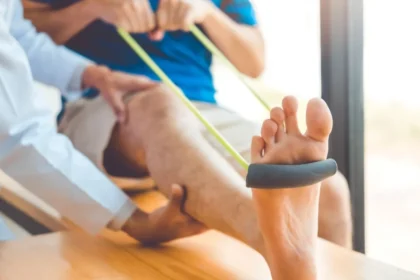
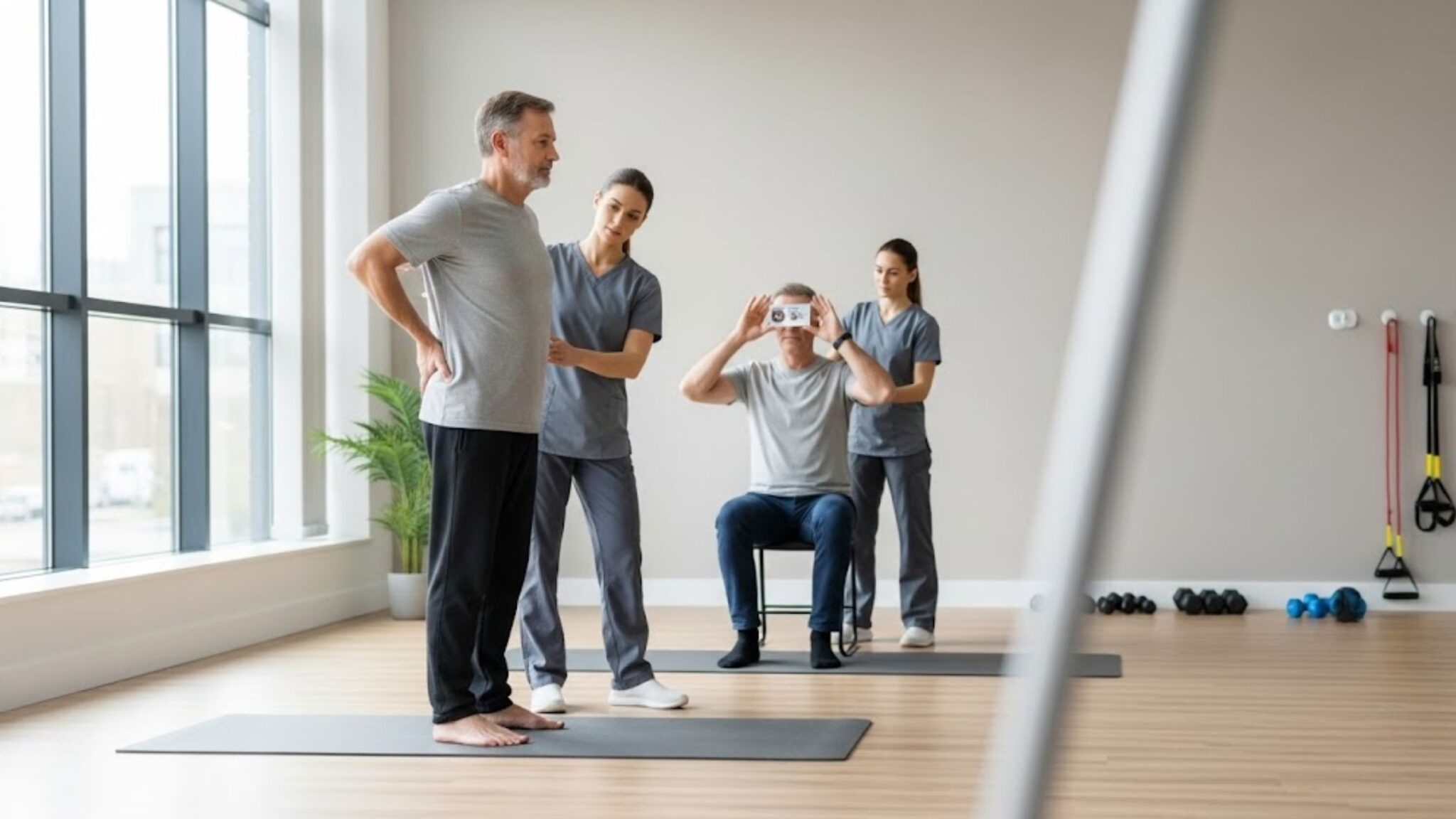
A medical professional conducts thorough evaluations, which help them design a personalized treatment plan for the patient. Doctors prescribe medication to suppress excessive vestibular activity, and some medications treat underlying cardiovascular conditions. Physical therapy serves as another primary intervention, especially for vestibular rehabilitation.
Therapists can teach specific head movements that reposition displaced calcium crystals in the inner ear. Psychotherapy helps patients manage the anxiety that accompanies some chronic vestibular disorders, which also benefits their mental health. Combining these clinical approaches offers a comprehensive strategy for symptom resolution, and consulting a doctor helps determine which combination is right for you.
Consult a Doctor Today
Experiencing persistent sensory disruptions warrants a prompt and thorough medical evaluation. A physician will perform clinical assessments to identify the precise etiology of the symptoms, and diagnostic testing provides the data needed for a targeted medical intervention. Schedule a consultation with a healthcare provider to begin the diagnostic process. Seeking professional medical guidance accelerates progress toward physical stability and symptom resolution, facilitating the return to regular activities.