
A vein clinic offers specialized care for patients with vein-related concerns, including varicose veins, spider veins, leg swelling, and circulation problems. Clinics often provide diagnostic testing, minimally invasive treatments, symptom management, and preventive guidance based on a patient’s condition. Here’s a closer look at the types of vein care clinics and the services they offer:
Identifying Vein Conditions
A vein clinic handles various venous conditions, and knowing which ones fall under their scope helps you determine whether a visit is appropriate. Common conditions include:
- Varicose veins: These are enlarged, twisted veins that appear just beneath the skin, most often on the legs.
- Spider veins: These are small, web-like clusters of red or blue veins visible through the skin.
- Chronic venous insufficiency (CVI): A condition in which the veins have difficulty returning blood to the heart.
- Deep vein thrombosis (DVT): The formation of a blood clot in a deep vein, usually in the leg, and that requires prompt medical attention.
- Venous ulcers: Open sores that develop when blood pools in the lower legs due to poor circulation.
Understanding which condition applies to you is a helpful first step before scheduling a consultation at a vein clinic.
Exploring Clinic Types
Some vein clinics are part of larger hospital systems, while others function as standalone outpatient facilities. Hospital-based vein centers generally work alongside departments like cardiology or vascular surgery; this can be helpful when a patient has multiple related health concerns. Standalone or private vein clinics tend to focus exclusively on venous care. They often offer a more streamlined experience, with shorter wait times and staff who specialize solely in vein-related conditions. Some dermatology practices offer vein treatment as part of their cosmetic services; they primarily address spider veins and minor varicose veins. The key difference between these settings lies in the scope of care and the types of procedures available.
Reviewing Treatment Services
Vein clinics provide services designed to assess and address venous conditions. Most clinics follow a process that begins with evaluation and moves toward targeted treatment. Common services include:
- Sclerotherapy: A procedure in which a solution is injected into the affected vein, causing it to close off and fade.
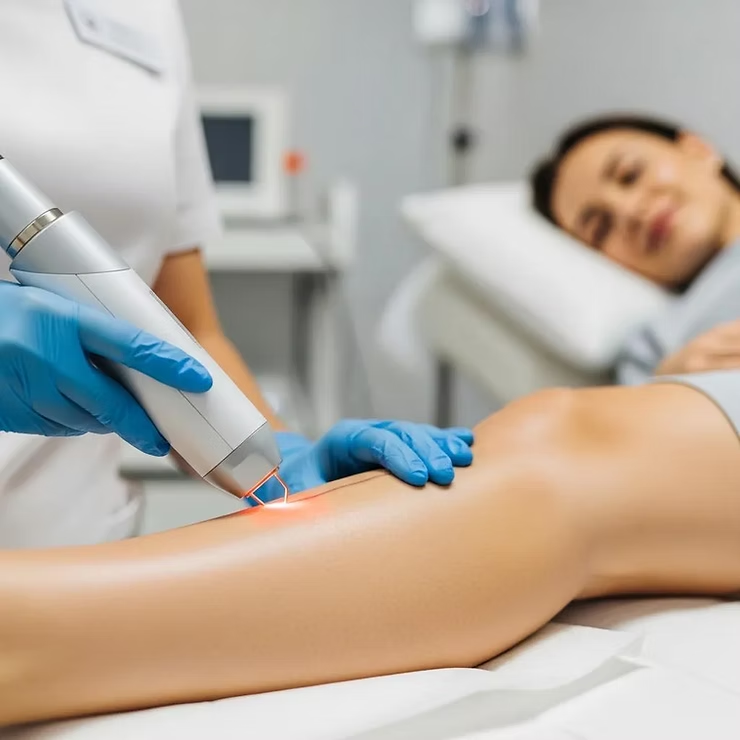
- Endovenous laser ablation (EVLA): A minimally invasive procedure that uses laser energy to close off a malfunctioning vein.
- Radiofrequency ablation (RFA): Similar to EVLA, this procedure uses radiofrequency energy instead of laser to treat larger veins.
- Ambulatory phlebectomy: A procedure in which small sections of varicose veins are removed through tiny incisions in the skin.
- Compression therapy: The use of compression stockings to support vein function and manage symptoms.
These services vary by clinic, so confirming what a specific facility offers before your appointment is helpful.
Choosing the Right Clinic
Selecting a vein clinic requires reviewing a few key factors. Make sure the clinic employs board-certified physicians with documented experience in vascular or venous medicine. Confirm whether the clinic offers the specific diagnostic tools and procedures relevant to your condition; a patient with suspected DVT needs access to ultrasound imaging and physician oversight. You should also find out whether the clinic accepts your insurance, as coverage for vein procedures varies depending on whether the treatment is deemed medically necessary or cosmetic. Ask about the consultation process, what a typical visit involves, and how the clinic handles follow-up care.
Visit a Local Vein Clinic
Vein care clinics offer focused care for a range of venous conditions, including spider veins and chronic venous insufficiency. They provide diagnostic services, targeted treatments, and structured follow-up care within a specialized setting. Understanding the types of clinics available and the services they offer puts you in a better position to make an informed decision. Contact a local vein clinic to schedule your appointment today.