
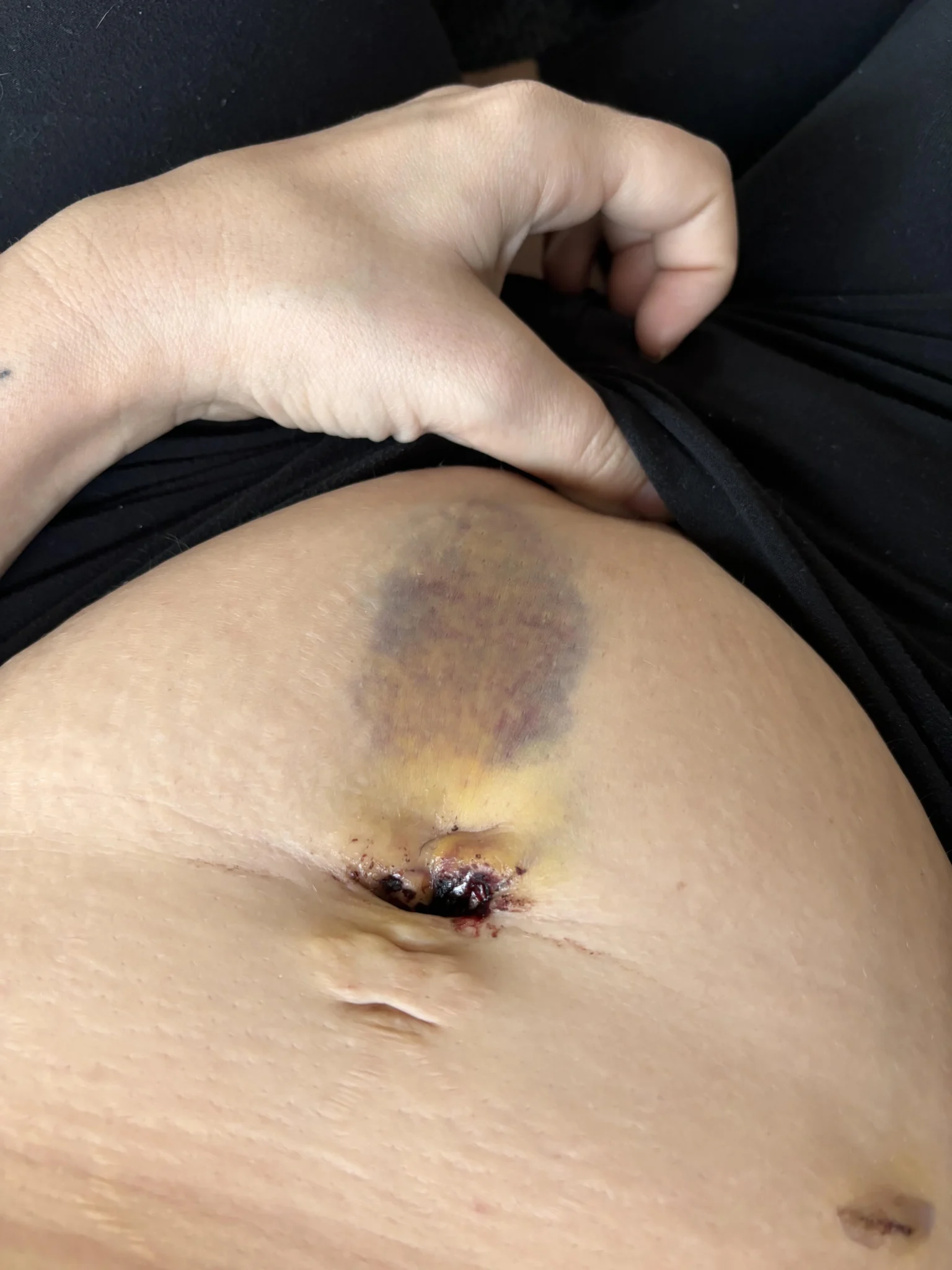

The gallbladder is a small organ that stores bile, a digestive fluid produced by the liver. When it stops working properly, it disrupts digestion and triggers recurring episodes of pain. Gallbladder removal surgery is also known as cholecystectomy, and it is a commonly performed procedure in the United States. Here are several signs and circumstances that may lead a clinician to suggest this option:
Abdominal Pain or Digestive Disruption
One common indicator of a gallbladder issue is recurring pain in the upper right abdomen. This pattern develops after eating, particularly following meals high in fat. Episodes can last anywhere from a few minutes to several hours before subsiding. When these episodes repeat and follow a consistent pattern, clinicians typically take a closer look. The frequency, duration, and location of the pain all shape the clinical context. A single episode may not prompt a surgery discussion, but a pattern of recurrence usually does.
Digestive symptoms that appear regularly after meals are another sign worth discussing with a provider. You might notice nausea, bloating, or a sense of fullness that develops shortly after eating. In some cases, episodes of vomiting accompany the discomfort. When these symptoms align with known gallbladder conditions and persist over time, a clinician evaluates whether the gallbladder is the source. Fatty or rich foods act as a key trigger in many cases, so tracking what you eat before an episode gives your provider helpful details.
Imaging Findings
Imaging studies, such as ultrasound, play a central role in identifying gallbladder issues. An ultrasound may reveal gallstones, thickening of the gallbladder wall, or other structural changes that help explain your symptoms. Gallstones rank among the most common findings that lead to gallbladder removal surgery. Not every gallstone requires surgery, but stones that cause symptoms or complications may require an evaluation. Your clinician assesses the imaging findings alongside your symptom history before making a recommendation.
Inflammation, Infection, or Blockage
Acute cholecystitis refers to inflammation of the gallbladder, and it represents a more urgent clinical situation. This condition develops when a gallstone blocks the duct leading out of the gallbladder, trapping bile and inflaming the organ. When inflammation appears, clinicians may discuss surgery as a timely option to address the underlying issue and reduce the risk of further complications. Several signs associated with this condition include:
- Severe pain in the upper right abdomen
- Pain that radiates to the right shoulder or back
- Fever accompanying abdominal symptoms
- Tenderness when pressure is applied to the upper abdomen
- Nausea or vomiting alongside the above
Choledocholithiasis occurs when a gallstone migrates into the common bile duct; this blocks the flow of bile from the liver to the small intestine. The condition may lead to jaundice, which is a yellowing of the skin and eyes, along with dark urine and pale stools. Pancreatitis linked to gallstones is another complication that frequently leads to a surgical discussion. When stones trigger inflammation in the pancreas, addressing the gallbladder becomes a key part of the management plan.
Explore Gallbladder Removal Surgery
Recurring pain, digestive disruption, and related complications are several circumstances that may prompt clinicians to discuss gallbladder removal surgery. Every case is different, and surgery is not the automatic outcome for every gallbladder issue. The right path forward depends on your specific situation and a thorough evaluation by a qualified provider. If you are experiencing any of these signs, schedule an appointment with your clinician today.