
Living with ongoing discomfort can affect physical health, emotional well-being, work, and daily routines. Effective pain management often involves more than medical treatment alone, as support systems can help patients stay informed and consistent with their care plans. Here is more information on building a support system for effective pain management:
Building Your Care Team
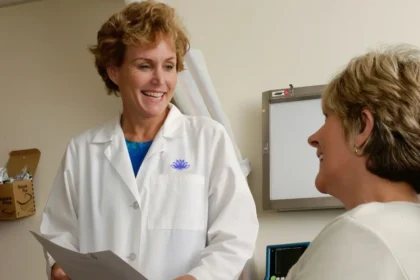
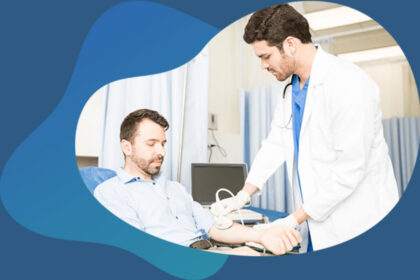
Your care team is the foundation of effective pain management, so you should choose its members with care. When your providers communicate well, your treatment stays organized, and gaps in care often shrink. Here are common members you may include on your care team:
- Pain specialist: A specialist focuses on long-term pain and helps design a treatment plan tailored to your situation.
- Physical therapist: This professional guides movement and exercise routines that support daily function.
- Mental health counselor: A counselor offers strategies that help you cope with the stress that pain can create.
A team of specialists makes sure that every aspect of your care is addressed, creating a comprehensive approach to managing your health effectively.
Involving Family and Friends
Family and friends provide daily support that professional care cannot replace, and their involvement matters more than people expect. They can drive you to appointments, help with chores, and observe changes you may miss. When you share your needs clearly, loved ones understand how to help in ways that actually work. Open conversation is key, so talk with the people close to you about what pain management looks like day-to-day. Some friends may want to help but are unsure where to start, and a direct request solves that. Setting boundaries also keeps these relationships healthy, and honest communication can prevent misunderstandings.
Finding Peer and Community Support
Peer support connects you with others who understand pain firsthand, and that shared experience can ease feelings of isolation. Support groups, whether in person or online, give you a space to exchange practical tips. The following options show where you may find peer support:
- Local support groups: These meet in person and let you build face-to-face connections with people nearby.
- Online forums: Digital communities offer round-the-clock access and connect you with members across the country.
- Nonprofit organizations: Many groups host events and share resources focused on pain management.
- Social media groups: These spaces make it easy to ask quick questions and stay connected between meetings.
Trying a few options can help you find the right fit; when you find a community that suits you, that connection becomes a steady source of encouragement.
Creating a Personal Support Plan
A personal support plan gives you a clear reference when challenges arise. Write down your providers, your emergency contacts, and the daily routines that help you most. This document keeps key details in one place, and it saves time during stressful moments. Your plan should reflect your real life, so include the strategies that work for you rather than generic advice. You may list breathing exercises, gentle stretches, or the names of friends you can call. When you update the plan regularly, it stays accurate as your needs change.
Schedule Your Pain Management Appointment
A strong support system comprises your care team, loved ones, peers, and a personal plan, all integrated into a consistent network. Creating a personalized support plan helps you take an active role in managing your well-being and making sure you have practical tools when you need them. Regularly reviewing and updating the plan keeps it relevant as your needs evolve, and sharing it with your care team and loved ones enables a coordinated approach to your care. Contact a qualified pain specialist near you to schedule your pain management appointment today.