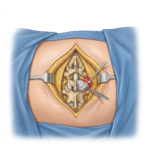



Ongoing discomfort has the potential to affect a wide range of daily activities, from sitting to standing. Combining everyday lifestyle adjustments with provider-directed treatments often creates a consistent path toward relief, and this approach may be more effective than relying on any single method alone. Because treatment needs vary from person to person, understanding your options helps make the next step easier to plan. Here are several lifestyle adjustments and treatments that can support effective pain management:
Incorporating Injections and Blocks
Steroid injections and nerve blocks are provider-directed treatments administered by qualified professionals. Incorporating them into your pain management routine can help reduce inflammation and relieve discomfort. Before treatment, your provider reviews your condition and medical history. These procedures target specific areas to reduce nerve irritation or interrupt pain signals, and each follows a carefully planned approach. Your provider explains the process in advance and answers any questions you may have.
Timing plays a key role in these treatments, so providers often coordinate them with other aspects of care. An injection may help ease a flare-up, and that relief helps make daily activities more manageable. Because treatment needs vary, sharing your complete medical history allows your provider to tailor the approach to your situation.
Utilizing Physical Therapy Sessions
Physical therapy offers a structured approach to improving movement, and a licensed therapist guides each step. Sessions may begin with an assessment that helps identify your needs and limitations. Based on those findings, your therapist designs exercises that match your current abilities. The focus is on steady progress rather than quick results, allowing you to build strength at a pace your body can handle.
A well-designed program sometimes addresses more than the painful area alone. Your therapist may evaluate surrounding muscles, posture, and everyday movement patterns. Because consistency supports progress, therapists frequently assign exercises to complete at home between visits. When you follow the plan closely and communicate openly, your therapist can also adjust the program as your needs change. This ongoing collaboration keeps treatment relevant, and it helps support long-term progress.
A typical program may include:
- A personalized assessment of your movement and limitations
- Targeted exercises that strengthen supporting muscles
- Stretching routines that improve range of motion
- Guidance on posture and daily movement habits
- Home exercises that reinforce your in-session progress
Using Custom-Designed Braces
Braces and supportive devices provide stability to specific areas of the body, and they often make daily movement more comfortable. A brace may support a joint, limit aggravating motion, or distribute pressure more evenly across the affected area. Because fit plays a major role in effectiveness, proper sizing by a provider or specialist is key. Different situations require unique types of support; your provider can recommend a design that fits your needs. Some braces are worn throughout the day, while others are intended for specific activities. Following the recommended wear schedule helps the device function properly and may reduce the risk of additional strain.
Find a Pain Management Specialist
Effective pain management may combine several approaches and lifestyle changes into one coordinated plan. Provider-directed injections target specific areas, physical therapy rebuilds movement through structured sessions, and well-fitted braces add steady support where required. Each method contributes something distinct, and combining them under professional guidance gives you a practical foundation for daily comfort. Review the options outlined here and schedule a conversation with your provider to design a suitable pain management plan.