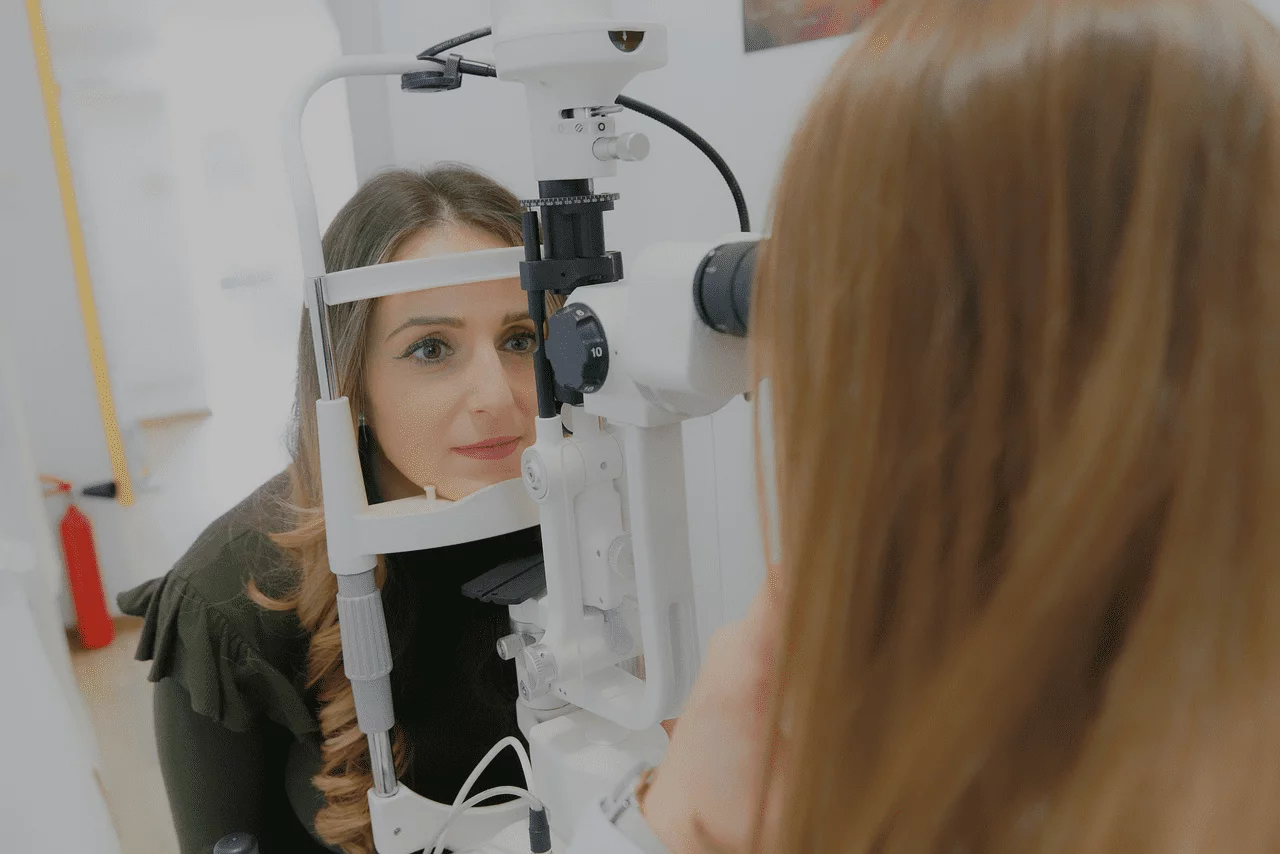

Ophthalmologists maintain and improve the visual health of individuals. They are medical doctors who specialize in diagnosing, treating, and preventing a wide range of eye conditions and diseases; these include refractive errors, cataracts, glaucoma, and retinal disorders. Here is more information about what a qualified ophthalmologist can do:
Understanding Ophthalmologists
An ophthalmologist is a medical doctor who specializes in comprehensive eye care.These physicians provide preventive care, and they perform surgical procedures.When a patient experiences visual symptoms, this specialist diagnoses the underlying pathology. They provide conservative and advanced treatments. Although optometrists provide primary vision care, ophthalmologists manage more advanced or severe cases, and they oversee complex medical therapies.
Managing Glaucoma and Symptoms
Glaucoma damages the optic nerve, and it requires immediate medical intervention. Medical professionals treat this condition by lowering intraocular pressure through prescription eye drops. If conservative treatments fail, ophthalmologists can perform laser surgery.
Surgical options create new drainage pathways so that fluid can exit the eye effectively. Doctors monitor visual fields over time. When this disease progresses without symptoms, regular pressure monitoring prevents irreversible blindness, and it protects long-term independence.
Conducting Comprehensive Eye Exams
A clinical eye exam involves evaluating overall visual health and structural integrity. Eye doctors administer these tests using specialized instruments, and they measure visual sharpness. Because proper diagnostics matter, they perform several checks.
Here are some examples of items in an eye exam:
- Visual acuity testing to measure focus.
- Slit-lamp examination to view the cornea.
- Tonometry to measure fluid pressure.
- Retinal imaging to evaluate the macula.
Preventive care detects diseases early, which helps patients avoid permanent vision loss.
Because many eye diseases lack early symptoms, regular evaluations offer significant health benefits. They protect your overall well-being. When a doctor identifies a minor issue, they implement targeted therapies, and the patient may experience uninterrupted visual clarity.
Treating Common Eye Conditions
Refractive errors require correction with glasses or contacts, and an ophthalmologist prescribes appropriate lens measurements. They use a phoropter to determine the precise prescription needed. When patients present with other conditions like dry eyes, these doctors recommend specialized lubricating drops. Ophthalmologists treat red eyes by identifying bacterial infections, so patients receive appropriate antibiotics quickly.
For minor irritations, a doctor may prescribe the following:
- Warm compress
- Punctal plugs
- Gentle eyelid massage
- Eye drops
Ophthalmologists provide preventive and acute care for eye conditions, so you can schedule an appointment as needs arise. Other symptoms that indicate the need for an appointment include blurry vision, nausea with eye pain, the presence of many floaters, and new or worsening color blindness.
Learn More About Eye Care
Choosing a qualified medical provider protects your vision against degenerative diseases and other conditions; they manage conditions from glaucoma to dry eyes. Because regular comprehensive exams help detect systemic health issues early, patients under 40 benefit from seeing an ophthalmologist every five to 10 years, while patients over 40 should have an appointment every two to three years. To learn more about eye care and eye health, consult an ophthalmologist near you.