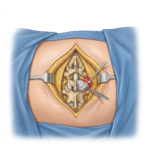



Back pain affects many age groups, and it can develop from muscle strain, disc changes, joint irritation, or weakened bones. Clinicians often track pain patterns over time. When imaging or a physical exam points to a clear source, treatment can be matched to that source. Newer methods now target nerves, swelling, or spinal fractures with more focused techniques than older approaches relied on.
Radiofrequency Ablation
Radiofrequency ablation targets small nerves that carry pain signals from joints in the spine, and the method is often used when back pain is linked to facet joints. A physician places a thin needle near the selected nerve. If diagnostic blocks have already pointed to a clear pain source, controlled heat disrupts the nerve signaling for a period of time. This option fits patients with ongoing mechanical back pain, but it does not address every cause of symptoms.
During the procedure, imaging guides needle placement, and numbing medicine reduces discomfort at the site. The treatment usually takes little time and a short recovery period afterward. Pain specialists often run test injections before, because accurate nerve selection shapes whether the heat reaches the right target. Follow-up visits then track pain intensity, movement limits, and any return of symptoms across several months. Additional treatments may be scheduled if pain returns.
Epidural Steroid Injections
Epidural steroid injections place anti-inflammatory medicine near irritated spinal nerves, and the approach is often used when back pain spreads into the leg from nerve compression. The medicine can be delivered through different routes based on the location of the problem. Doctors review scan findings, reported symptoms, and prior treatment before they choose the site, because swelling around a nerve root may respond differently from joint-based pain. Relief varies by diagnosis and by the cause of the irritation.
Kyphoplasty
Kyphoplasty addresses certain spinal compression fractures, and these fractures often link to osteoporosis or other causes of weak bone. A small balloon first creates space inside the collapsed vertebra. Bone cement is then placed into that space, which can help stabilize the fracture and limit further collapse. The option is generally discussed when fracture pain remains high after bracing, medication, or activity changes.
Imaging tests identify the fractured level, and the timing of the clinician’s evaluation influences the procedure’s outcome. The process uses small access points along the back. Some patients have more than one fractured vertebra, so treatment planning includes bone density status, fracture age, and general medical history. Recovery plans often pair movement guidance with ongoing bone health care.
Compression fractures can alter posture, and repeated fractures may change spinal alignment over time. Clinicians assess height loss, tenderness, and scan results during the review. Cement leakage is a potential procedural risk, so careful imaging guidance and patient selection shape the decision. Long-term management may also include osteoporosis treatment, structured exercise, and a fall-risk review.
Find Back Pain Treatment Options
Back pain treatment now includes several targeted procedures, and each addresses existing conditions that many people suffer from. Some methods focus on irritated nerves, while others target swelling or fracture stability. A medical evaluation can clarify which option matches a diagnosis, and a treatment plan can then build on symptoms, imaging, and prior care. Contact a qualified spine or pain specialist to review these back pain treatment options and request an assessment.