
Medicine possesses many ways for the body to support its own healing, and one approach uses a part of your own blood to assist with recovery. This method is known as platelet-rich plasma (PRP) therapy. For people managing pain, injury, or other health concerns, learning about new treatment options can help with conversations during a doctor’s visit.
What Is PRP Therapy?
PRP therapy uses a concentrated portion of your own blood to support the body during recovery. Blood contains several components, including red cells, white cells, plasma, and platelets. Platelets are small cell fragments that help blood clot. They also carry proteins called growth factors, and these play a role in tissue repair.
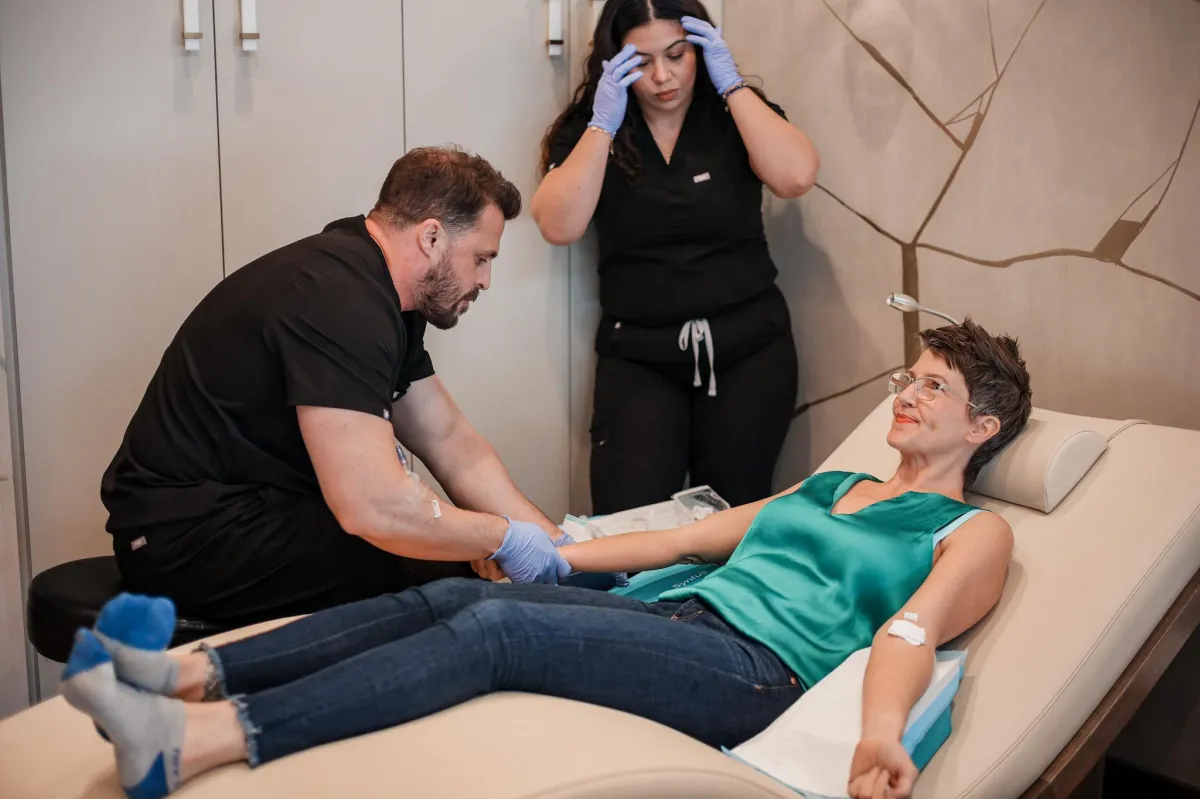
To create PRP, a healthcare provider draws a small amount of blood, similar to a blood lab test. The sample is then placed in a machine called a centrifuge. This device spins the blood at high speed, separating it into layers. The platelet-rich layer is collected and prepared for use. The material comes from your own body, so the risk of an allergic reaction is generally low.
These concentrated platelets contain a higher amount of growth factors than regular blood. The PRP may be injected into a targeted area, such as a joint, tendon, or section of skin. These growth factors are administered directly to the site, and the aim is to assist where the body is working to repair itself.
What Can It Treat?
Researchers and clinicians have studied PRP therapy across a range of conditions. Results vary, and outcomes depend on the individual, the area treated, and the specific concern. There are many areas where PRP has been explored, including:
- Joint and Tendon Issues: PRP is sometimes used for conditions affecting the joints, including certain types of tendon strain
- Joint Discomfort Related to Wear: Some people with osteoarthritis, a condition where joint cushioning breaks down over time, use PRP as part of their care plan.
- Sports Injuries: Athletes recovering from muscle or ligament strains have used PRP in an effort to support the healing process.
A medical professional can explain whether PRP suits your situation.
What Should You Expect?
The PRP process is usually performed in an outpatient setting; this means you typically can go home the same day. Knowing the general steps may help you feel more prepared. After the procedure, mild soreness or swelling at the injection site can occur. These effects often settle within a few days. Your provider may suggest rest and offer instructions on activity. Some people receive more than one session, spaced over weeks, depending on their care plan.
Seek Professional Medical Care
PRP therapy represents one of several tools available within modern medicine. The idea of using your own blood to support healing may be appealing to some, but the right choice depends on your specific health needs, medical history, and goals. A physician can evaluate your condition and explain the possible benefits and limitations. If you are managing pain, injury, or another concern, schedule a visit with a healthcare provider.