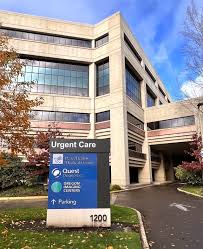

Urgent care provides treatment for illnesses and injuries that require prompt attention but are not life-threatening. These clinics serve as a convenient option when a primary care provider is unavailable and emergency room care is unnecessary. Many centers accept walk-in patients, allowing individuals to receive care without a scheduled appointment. Understanding when to use these facilities helps patients access timely treatment for a wide range of non-emergency medical concerns. Here is more information on who can go to an urgent care clinic:
Treating Sudden Illnesses
Urgent care centers provide evaluation and treatment for a variety of sudden, non-life-threatening illnesses. Common symptoms such as fever, sore throat, cough, congestion, and general illness can often be addressed during a walk-in visit. These facilities serve patients of all ages and offer a convenient option when prompt medical attention is needed. Providers assess symptoms, perform diagnostic testing when appropriate, and recommend treatment based on the patient’s condition.
Urgent care also treats illnesses that may require timely evaluation to prevent worsening symptoms. Conditions such as cold and flu symptoms, vomiting, diarrhea, and urinary tract infections commonly fall within the scope of urgent care services. Access to same-day care allows patients to receive treatment without waiting for a scheduled primary care appointment. This approach helps patients address acute health concerns quickly and efficiently.
Managing Unexpected Injuries
Care centers treat a variety of unexpected injuries that require prompt medical attention but are not life-threatening. Providers evaluate injuries, perform diagnostic testing when needed, and recommend appropriate treatment during the visit. Many facilities offer on-site laboratory services and digital X-rays, allowing for faster diagnosis and care. Common injuries treated in care settings include:
- Minor lacerations requiring stitches
- Minor burns requiring medical evaluation
- Animal bites requiring treatment and monitoring
- Minor fractures requiring assessment and imaging
These services help patients receive timely care without visiting an emergency room for non-emergency injuries. Emergency medical care remains necessary for severe injuries, uncontrolled bleeding, or other life-threatening conditions.
Handling Work Injuries
Care centers commonly provide evaluation and treatment for work-related injuries that require prompt medical attention. Occupational health services are able to include the assessment of sprains, strains, minor injuries, and other workplace-related conditions. Providers can diagnose injuries, recommend treatment, and document findings during the visit. Many care facilities offer extended evening and weekend hours, giving employees access to care when injuries occur outside of a typical workday.
Getting Tested and Treated
Care centers provide a wide range of diagnostic and treatment services beyond the management of common illnesses and injuries. Patients may receive evaluation and testing for conditions such as sexually transmitted infections, ear infections, allergies, and other acute health concerns. Providers perform examinations, review symptoms, and recommend appropriate testing based on individual needs. Patient privacy remains a priority throughout the evaluation and treatment process.
Testing and treatment are often provided during the same visit, allowing patients to receive timely care. Providers review medical history, assess symptoms, and prescribe medications when appropriate. When a condition requires ongoing management or specialized care, patients may receive referrals to primary care physicians or specialists. This approach helps support continuity of care while addressing immediate healthcare needs.
Visit Your Nearest Urgent Care Today
Urgent care centers provide convenient access to medical care for patients experiencing sudden, non-life-threatening illnesses and injuries. These facilities offer walk-in services and extended hours, making treatment available when primary care offices may be closed. Providers can evaluate a wide range of acute health concerns and recommend appropriate treatment during the visit. Visit an urgent care center today to receive timely medical attention for your healthcare needs.