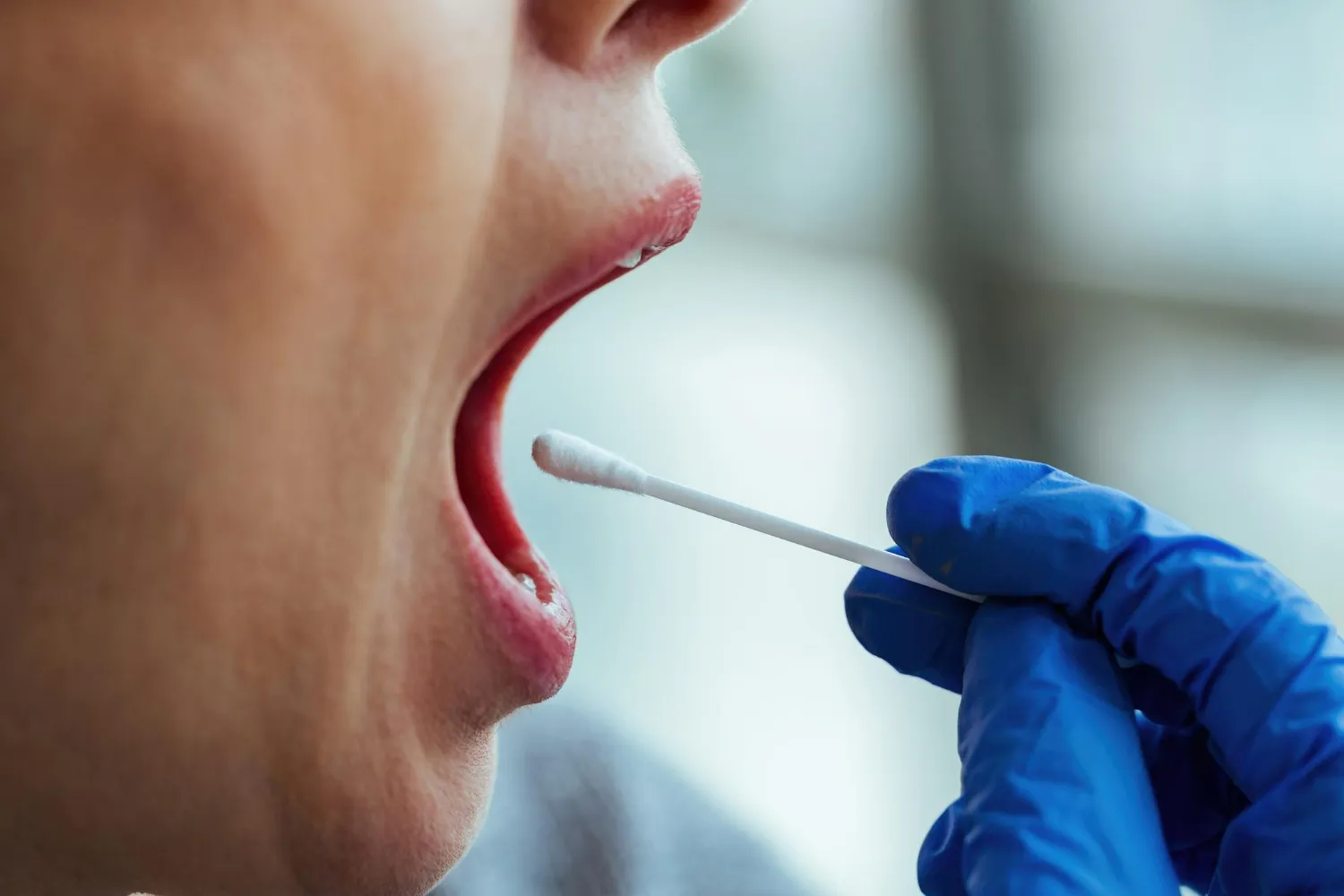

COVID testing helps determine whether a person currently has COVID-19, especially after exposure or when symptoms develop. Depending on the type of test, the process may involve a nasal swab, throat swab, or other sample collection method. Here is more information on what to expect during COVID testing:
Recognizing Testing Needs
Symptoms often guide the decision to get tested. You may experience a fever, a sore throat, or unusual fatigue; these signs can overlap with a cold or the flu. Testing helps you tell the difference. Here are some situations that make COVID testing a helpful choice:
- Active symptoms: You may feel a headache, body aches, congestion, or nausea.
- Loss of taste or smell: This sign is common with the virus, so a test gives you objective information.
- Shortness of breath: Breathing changes can prompt testing, but you should contact a provider if breathing becomes difficult.
- Possible exposure: You spent time near someone who tested positive, and you want a clear answer before returning to public settings.
Testing provides clarity and supports timely actions to protect yourself and others.
Choosing the Right Test
Two main types of tests exist, each serving a different need. A rapid antigen test gives results in minutes, while a PCR test goes to a lab and takes longer. Both detect the virus, but they work in different ways, and your timeline often influences the choice. Rapid tests work well when you want a quick answer at home or at a clinic. They are simple to use, though a PCR test usually detects the virus with greater sensitivity. If you need a result for travel, school, or work, a key first step is to check which test that setting accepts.
Location is another factor that guides your decision. You can visit a pharmacy, a clinic, or a community COVID testing site to get tested; some providers offer drive-through options. A fundamental point is to confirm hours and availability ahead of time to avoid a wasted trip.
Preparing for Testing
Bring your identification and insurance card, and write down the date your symptoms started. Testing sites generally ask for this detail, and having it ready saves time at check-in. Most COVID tests use a nasal swab; a staff member will gently insert a soft swab into your nostril for a few seconds. Here are key tips that can help you get ready for COVID testing:
- Wear a mask to the site: This protects others, and testing locations generally require one.
- Arrive a few minutes early: Check-in moves faster when you give yourself time.
- Note your contact details: Some sites send results by text or email, so accurate information matters.
When you prepare ahead, the process becomes manageable.
Understanding Results and Next Steps
Your results arrive at different speeds depending on the test you chose. A rapid test often provides a result within 15 to 30 minutes, while a PCR test may take one to three days. The provider will explain how and when you will receive your result, and you can ask questions if anything is unclear. A positive result means the test detected the virus, and a negative result means it did not. Results sometimes require follow-up, and a provider may suggest a second test if your symptoms persist.
Schedule Your COVID Testing Appointment
Understanding the need for COVID testing is fundamental to protecting your health and those around you. Testing provides objective information about your symptoms, helps prevent the spread of the virus, and enables you to make informed decisions about whether to isolate or resume daily activities. Contact a trusted healthcare provider near you to schedule your COVID testing appointment today.