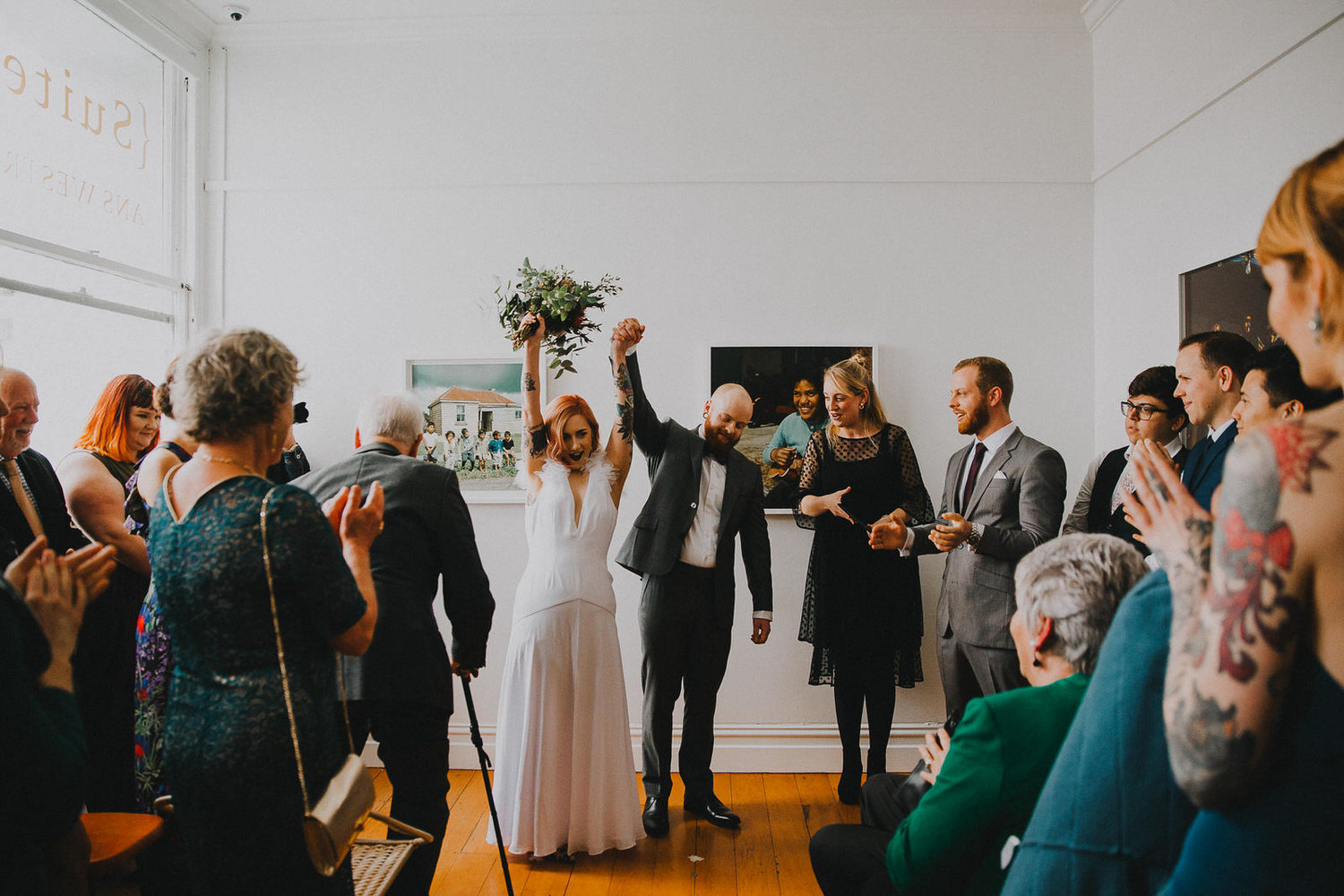

Planning a wedding involves selecting the right venue with enough space for your guests and organizing event details. An indoor wedding offers a structured environment where couples can plan their ceremony and reception within a dedicated space. They won’t need to worry about the weather. Here is what you need to know when planning an indoor wedding ceremony.
Analyze Event Space
The venue layout of an indoor wedding influences how guests are seated, where the ceremony is held, and how the reception is arranged. Having flexible event spaces within the venue lets couples plan different parts of the celebration without changing the location. Areas for receptions, ceremonies, dining, and gatherings can be arranged based on the event schedule.
Evaluate Existing Features
Indoor venues often include architectural elements that contribute to the overall atmosphere of the event. When used correctly, these details help craft a unique guest experience with photo opportunities. They also influence decor choices and how couples design the space.
A historic setting can help create original backdrops for pictures. Couples should leverage the building’s character to create a unique environment. By combining their personal decor choices with the existing venue features, they create unique experiences for family and friends.
Plan Seating Arrangements
How tables and chairs are placed in an indoor setting affects guest movement, seating, and overall event layout. Couples can organize seating to include designated areas for entertainment, dining, and socializing. Suitable venues should allow for room flipping when hosting both the reception and the ceremony.
Couples should confirm whether the venue can accommodate the number of guests they plan to invite when planning seating arrangements. They can decide if the space has enough room for their desired table shapes. Enough space should also be left to accommodate a proper dance floor during the event, as well as to comfortably move around.
Tour the space, looking out for columns or pillars that might obstruct the guests’ view of the ceremony. Making these arrangements in advance allows the venue space to be used effectively. Reviewing guest seating helps determine how tables, decor, and other elements, such as natural lighting, influence the space.
Review Venue Services
Venue services influence how the ceremony and reception are planned. Many indoor venues offer climate-controlled rooms, helping guests enjoy outdoor views without worrying about heat, humidity, or rain. Others provide secondary rooms for cocktail receptions and rehearsal dinners. Access to private bride and groom suites also gives the wedding party enough space to prepare before the ceremony.
Ask whether the venue supports outside vendors by providing basics such as prep kitchens. Some indoor venues help couples communicate and coordinate with vendors to streamline the ceremony. They also provide access to outdoor spaces when needed to help the wedding reception run smoothly. By helping couples manage timeline shifts, venue staff can eliminate scheduling confusion and maximize productivity.
Find an Indoor Wedding Venue
An indoor wedding venue that can adapt to client needs saves time and gives couples more options to customize the event. Reviewing the event space, existing features, seating arrangements, and available services helps create an organized wedding plan. Start by exploring indoor options to find a venue that offers the space and features your special event needs.