
Cardiologists diagnose and treat conditions like high blood pressure, arrhythmias, and coronary artery disease, and they help you manage long-term heart health. If you have questions about your heart, this guide answers the ones patients ask most often. You need clear information to help you know what to expect. Here are some questions you can ask about cardiology:
What Tests Do I Need?
The tests you need depend on your symptoms and history. A cardiologist reviews your health background, and then they select tests that match your situation. Since every heart is different, no single test fits every patient.
Some cardiology tests are simple, while others take more time. A blood test measures cholesterol, but an imaging scan looks at heart structure. When your doctor explains each step, you understand why a test matters.
Here are tests a cardiologist may order:
- Electrocardiogram (ECG) to record heart rhythm
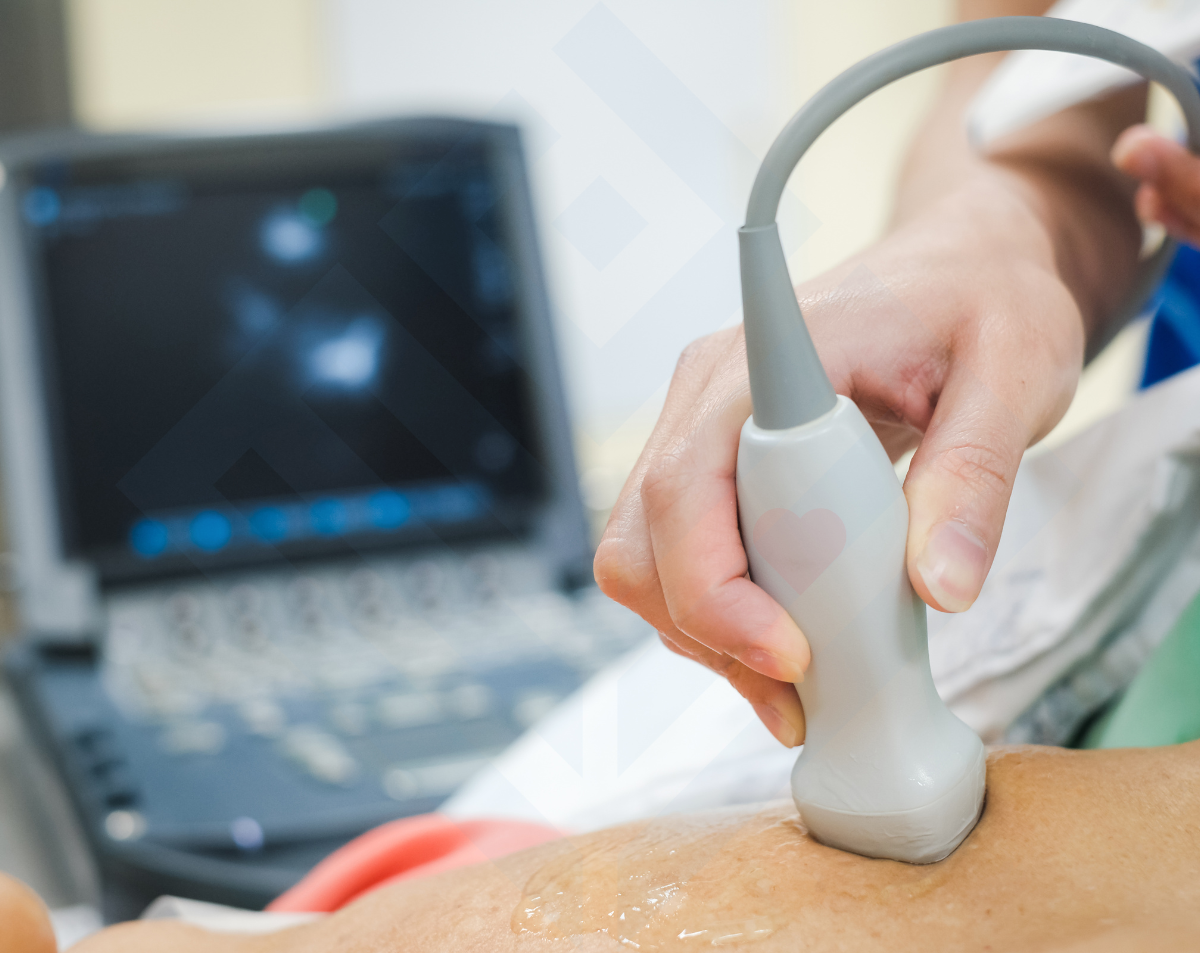
- Echocardiogram to view the heart chambers
- Stress test to check heart function during activity
- Blood work to measure cholesterol and other markers
Do I Have Heart-related Risks?
Risk factors may raise your chance of heart disease. Some factors are within your control, while others come from family history. Since risk accumulates over the years, early screening provides useful information.
Your doctor reviews specific details before making an assessment. Age, weight, and blood pressure all play a role, and lifestyle habits add to the picture. When you share honest information, your cardiologist forms an accurate view of your risk.
How Often Should I Go?
Visit frequency depends on your current heart health. A person with no symptoms sees a cardiologist less often, but someone with a diagnosed condition needs closer follow-up. When circumstances change, your doctor sets a schedule that fits you.
Regular visits help track how your heart responds over time. Your cardiologist may adjust medication, and they may order new tests when needed. If your symptoms change between visits, contact the clinic sooner.
A few general timelines apply to many patients:
- Yearly checkups for people with known risk factors
- Every few months for active heart conditions
- Follow-up visits after any procedure or hospital stay
Do You Perform Surgery?
Cardiologists perform many procedures, and some are minimally invasive. A heart catheter enters through a blood vessel, but open surgery requires a surgical team. Since procedures vary in complexity, your doctor explains each option clearly.
Stents are small tubes, and they hold narrowed arteries open. A pacemaker is a small device that steadies an irregular heartbeat. When your cardiologist recommends a device, they describe how it works and what recovery involves.
Not every heart condition needs a procedure at all. Many patients manage their health with medication and lifestyle changes, though some need direct treatment. If surgery becomes the right choice, your care team reviews the process with you first.
Visit a Cardiology Clinic Today
Your heart requires steady, informed care; a cardiology clinic offers testing, risk reviews, and treatment options, and the team answers your questions directly. Since heart health depends on regular attention, scheduling a visit is a practical first step. Call a local cardiology clinic today to schedule an appointment and begin the process.