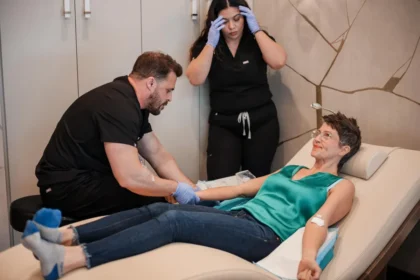

Recovery from an athletic injury depends on more than rest and sports medicine treatment. What you eat supports the tissue repair happening inside your body. Nutrition works alongside clinical care, and it fuels the systems that rebuild muscle, bone, and connective tissue. When you combine proper nutrition with treatments like physical therapy, your body has the resources it needs.
Nutrition and Tissue Repair
When you pair balanced nutrition with sports medicine, your muscles receive both the movement and the materials they need to rebuild. Tracking your intake with a simple food diary helps you identify gaps, so you can stay consistent throughout your recovery. You may need to change your plan before it works. Several key nutrients each play a distinct role in the repair process:
- Protein: Found in chicken, fish, eggs, and legumes; rebuilds damaged muscle fibers and connective tissue.
- Carbohydrates: Whole grains, sweet potatoes, and fruit provide steady energy and protect muscle during recovery.
- Vitamin C: Found in citrus fruits and bell peppers; supports collagen formation.
- Zinc: Found in seeds and legumes; aids cell growth.
- Calcium: Found in dairy or fortified alternatives; strengthens bone.
- Iron: Supports oxygen delivery to healing tissue.
Diet and Inflammation Control
Inflammation is a normal part of the healing process. Your body triggers it to isolate and repair damaged areas, but prolonged inflammation can interfere with recovery. Fatty fish like salmon and mackerel, leafy greens, and berries contain compounds that help manage this response. Excess inflammation can slow progress, so balanced food choices matter throughout your recovery. You can find omega-3s in walnuts, flaxseeds, and chia seeds if fish is not part of your diet. Hydration also plays a direct role in managing inflammation. Water helps flush metabolic waste from injured areas, and it keeps joint tissue lubricated during recovery.
Habits That Support Recovery
Regular meals keep nutrient levels steady across each day, and skipping meals can cause energy dips that slow tissue repair. Consistency drives lasting results. Aim for three balanced meals and one or two nutrient-dense snacks to maintain a steady supply of protein, carbohydrates, and micronutrients. Since hydration supports circulation, it helps deliver nutrients to injured areas. Most adults need at least eight cups of water daily, and your needs may increase during physical therapy sessions.
Since consuming protein within an hour after physical therapy gives your muscles immediate access to the amino acids they need to rebuild, you set yourself up to heal. Spreading protein intake evenly across meals is more effective than consuming it all at once, and it keeps repair processes active throughout the day. Sleep is another recovery habit that works directly with nutrition. Your provider can help you create a recovery plan that includes therapy and nutrition, or other methods you want to try.
Discuss Sports Medicine Today
Nutrition and clinical care work together. A balanced diet supports the treatments guiding your recovery. Talk with your care team about a nutrition plan, and ask how it fits your specific injury and goals. Your provider can align your diet with physical therapy, laser treatment, or regenerative medicine, so every part of your plan supports the same result. Schedule an appointment today, since you can review your options with a specialist.