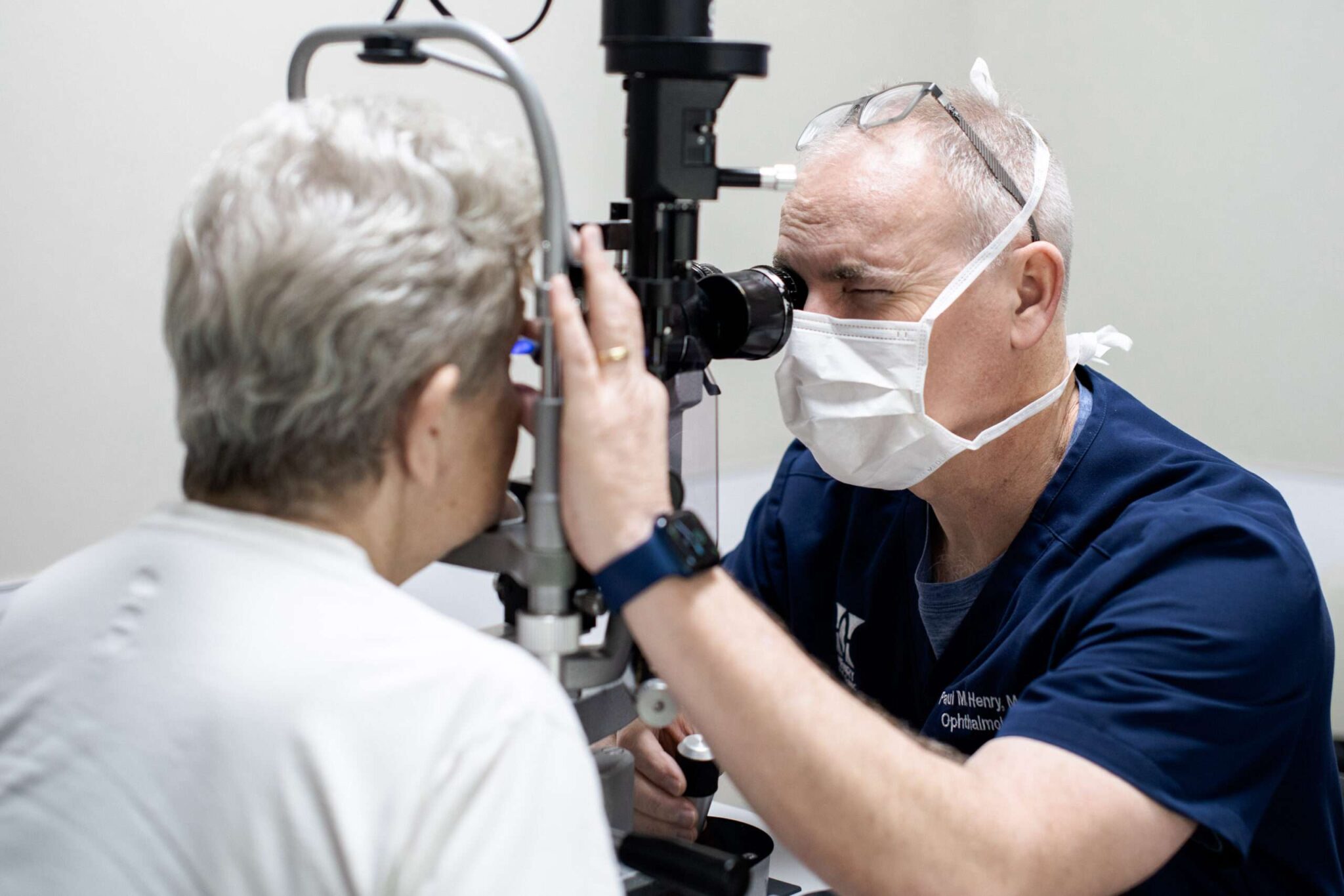

Retinal detachment is a serious eye condition that requires prompt medical attention, and left untreated, it can lead to permanent vision loss in the affected eye. It is a medical emergency. Since early warning signs may be subtle, recognizing them promptly helps patients preserve their sight through timely intervention. Here is more information on this condition, including its signs and symptoms:
What Is Retinal Detachment?
The retina is a thin layer of tissue lining the back of the eye; it converts light into signals that the brain interprets as images. When the retina separates from the underlying tissue that supplies it with oxygen and nutrients, retinal cells begin to deteriorate rapidly. This separation is what defines retinal detachment.
Retinal detachment is a medical emergency, and it can affect one or both eyes. People who are severely nearsighted, have a family history of retinal detachment, or have previously undergone eye surgery face a higher risk. Because the vitreous gel inside the eye tends to shrink and pull away from the retina over time, age is also a contributing factor.
What Are the Symptoms?
Retinal detachment presents several distinct symptoms that require prompt attention. These signs include:
- A sudden increase in floaters, which are small, dark specks or strings that drift across the visual field
- Flashes of light in one or both eyes, particularly in peripheral vision
- A shadow or curtain-like obstruction that begins at the edges of the visual field and progresses inward
Any sudden change in vision should be evaluated by an eye care specialist immediately.
How Is Daily Life Affected?
Retinal detachment disrupts everyday functioning. Reading, driving, and recognizing faces become increasingly difficult when central or peripheral vision is compromised, and patients may struggle to perform routine tasks independently. Following surgical treatment, patients enter a recovery period that may last several weeks. The timeline for returning to normal activities varies, as it depends on both the type of surgery performed and the extent of the detachment.
What Are the Treatment Options?
Treatment depends on the severity and location of the detachment. Each surgical method addresses the detachment differently, and the appropriate choice is determined by the treating ophthalmologist. Scleral buckle surgery is a procedure in which a silicone band is placed around the outside of the eye, where it gently pushes the sclera inward toward the detached retina. This method may be used for straightforward detachments.
Pneumatic retinopexy is a less invasive option. It is suited for certain types of detachments, particularly those located in the upper portion of the retina, and it involves injecting a gas bubble into the eye. The bubble rises and presses against the detached area, which allows it to reattach.
Vitrectomy involves removing the vitreous gel from inside the eye; it may be replaced with a gas bubble or silicone oil to hold the retina in place. This makes it suitable for more complex detachments that involve scar tissue or tears in difficult locations. While recovery generally involves several weeks of follow-up care, the duration depends on the complexity of the procedure.
Consult a Specialist Now
Retinal detachment is a time-sensitive condition, and the faster treatment is initiated, the greater the likelihood of preserving functional vision. Symptoms like sudden floaters, light flashes, or a shadowed visual field require professional evaluation. If you are experiencing symptoms of this condition, contact an eye care specialist. Early diagnosis and appropriate surgical intervention help protect your long-term vision.