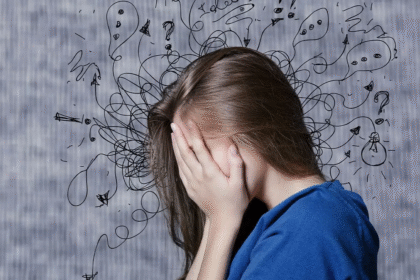

Depression is a mental health condition marked by persistent sadness and a loss of interest in daily activities. Many people who live with depression look for ways to support their well-being, and creative outlets are one option that some find helpful for managing certain symptoms. Creative activities may offer structure, focus, and a sense of accomplishment during difficult periods. Here is more information about creative outlets that can help with the symptoms of depression:
What Is a Creative Outlet?
Creative outlets can help with the symptoms of depression when used alongside proven methods like therapy and medication. A creative outlet is any activity that allows a person to express thoughts or emotions through a productive form. Common examples include:
- Writing
- Drawing
- Playing an instrument
- Sculpting
- Gardening
Creative outlets differ from passive activities because they require active participation and personal input. These activities give people a way to channel their attention into something tangible or experiential. Someone using a creative outlet makes choices about color, sound, movement, or words, and this involvement can build a sense of purpose. The result is a personal product that reflects the individual’s effort.
How Does Music Help?
Music offers both listening and participation, so people can engage with it at whatever level feels manageable. Listening to certain songs may help someone shift focus away from difficult thoughts or improve their mood. Playing an instrument or singing adds a layer of active involvement that some find grounding.
Creating music involves:
- rhythm
- structure
- repetition
These elements can give a person a clear task to concentrate on. Learning a new song or instrument involves setting goals that are small and reachable. Reaching those goals may provide a sense of progress during a low mood.
What Does Painting Do?
Painting is a visual outlet that lets people express feelings without needing words. A person can choose colors, shapes, and subjects that reflect their current state of mind, and this process is sometimes less demanding than talking. The finished piece becomes a record of that expression. The physical act of painting requires focus on brush strokes, blending, and composition. This concentration can occupy the mind for extended periods and help you stay mindful and present in the moment.
How Does Dance Help?
Exercise is an activity that has been proven to help with symptoms of depression. Dance combines physical movement with creative expression, making it both an exercise and an art form. Movement raises the heart rate and engages the whole body, and regular activity is often part of a healthy routine. Dance also allows for personal interpretation through rhythm and style.
Dance does not require special equipment or a studio to begin. A person is able to move freely at home when they follow a video, or they can join a class based on their comfort level. Starting small and increasing over time keeps the activity approachable, and this gradual pace helps build a lasting habit.
Get Treatment for Depression
Creative outlets such as music, painting, and dance give people practical ways to express themselves and stay engaged during low periods. These activities can support symptom management, but they work most effectively alongside professional care that addresses the underlying causes. Medication and therapy target the root of the condition, while creative outlets offer day-to-day support. If you want to learn more about treatment for depression, consult a psychiatrist near you.