

A hernia happens when tissue pushes through a weak spot in muscle, and many people first notice a small bulge. If you feel a lump or a dull ache in your abdomen or groin, that discomfort deserves a closer look. Knowing the basic signs helps you decide when to seek prompt care. This is what you should know about this condition and how it’s treated:
Lifting, Coughing, or Straining
Certain movements raise pressure inside your abdomen. Heavy lifting, forceful coughing, and repeated straining all add stress to weak muscle. Since that pressure pushes against a soft spot, a hernia may appear or grow larger over time. You might notice the bulge right after one of these activities. Knowing these triggers helps you protect yourself day to day:
- Lifting heavy objects with poor form
- Coughing from smoking or illness
- Straining during bowel movements
- Gaining weight or getting pregnant
Protruding Through Muscle Wall
A hernia forms where the muscle wall thins or separates. The bulge grows more visible when you stand, and it may flatten when you lie down. Since the surrounding muscle no longer holds tissue in place, the affected area starts to protrude outward. You might see this bulge near your belly button, groin, or an old surgical scar.
Different types affect different parts of the body. Since each type follows its own pattern, a quick exam helps identify what you are dealing with. Inguinal hernias appear in the groin, and umbilical hernias sit near the navel.
Hurting With Pressure
Pain changes depending on what you are doing. A hernia may feel like pressure, and the ache sometimes sharpens when you press on the area. Since activity increases the strain, discomfort tends to peak during standing, lifting, or long hours on your feet. Rest typically eases the feeling for a short while.
Watch for warning signs that need faster attention. Sudden, severe pain matters, and a bulge that turns red or dark is a concern. If you cannot push the bulge back in, or if you feel nausea and vomiting, seek immediate care. These symptoms may point to a trapped hernia that needs urgent evaluation. A few clear signals help you gauge severity, and these may include:
- Constant pain that does not settle with rest
- Firm bulge that will not reduce
- Additional fever, nausea, or vomiting
Requiring Minimally Invasive Surgery
Not every hernia needs an operation right away. Small hernias with mild symptoms sometimes call for monitoring, and a provider may suggest watchful waiting. Since a hernia does not heal on its own, surgery remains the usual fix when symptoms grow. A specialist can explain the timing that fits your case.
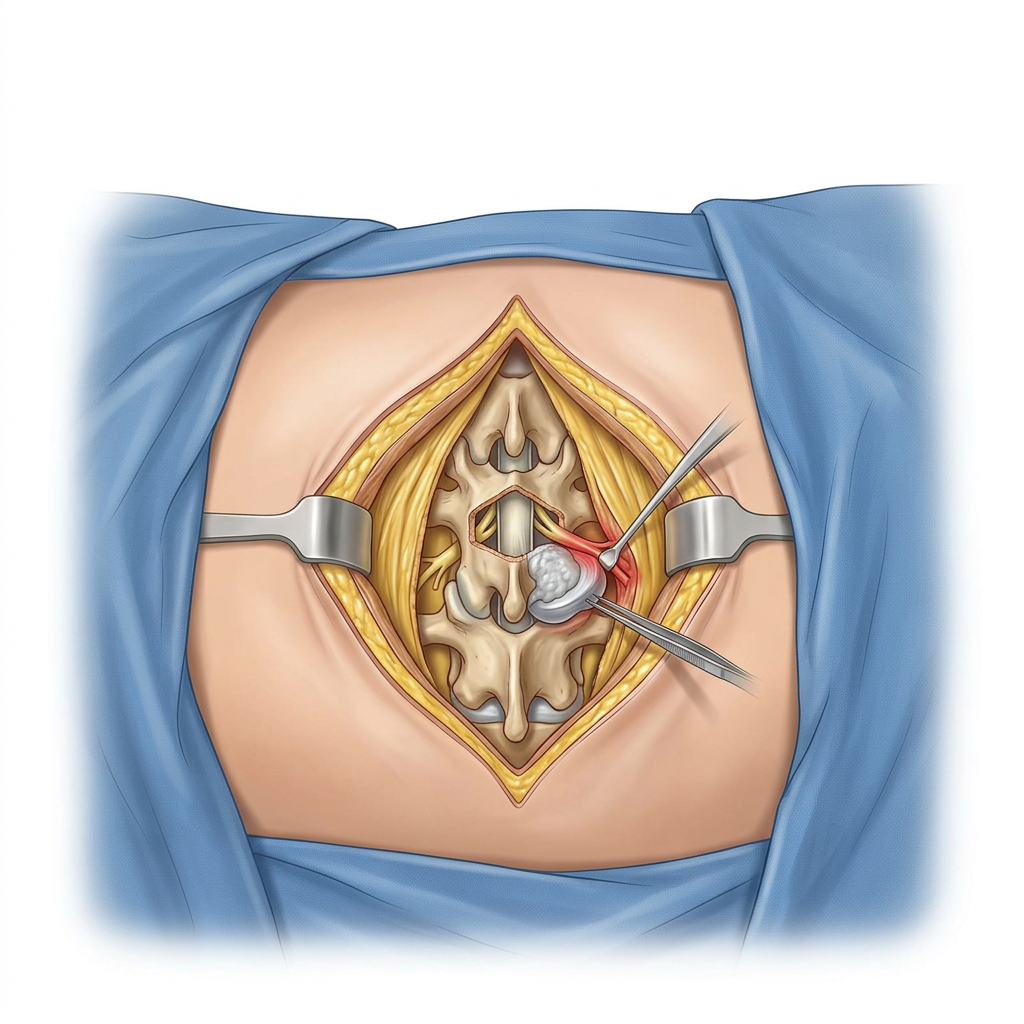
Many repairs today use minimally invasive methods. Surgeons make small incisions, and they use a camera and fine tools to place mesh support. Since these techniques limit tissue disruption, recovery often moves along steadily. Your care team will review the options and answer your questions.
Laparoscopic and robotic techniques offer advanced, minimally invasive options for hernia repair. These methods use small incisions, reducing recovery time and post-operative discomfort. While laparoscopic surgery relies on a surgeon’s hands guided by a camera, robotic-assisted surgery provides enhanced precision with robotic instruments controlled by the surgeon.
Get Checked for a Hernia
A hernia doesn’t go away without treatment, and delaying care may let it grow. If you notice a bulge or ongoing pressure, an exam gives you clear answers. Since early evaluation guides your next steps, a prompt visit makes sense when symptoms appear. Stop by a clinic to get checked for a hernia and learn your options.