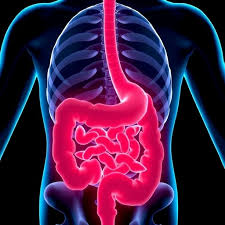

Colon cancer affects the large intestine, also called the colon. It often develops from polyps, which are growths that form on the inner lining of the colon. Some polyps remain benign; others show abnormal changes over time. Because early stages may not produce obvious signs, screening and follow-up testing play a key role in finding problems that need closer review. Here’s how colon cancer is detected and treated:
Reviewing Screening Tools
Screening looks for possible signs of disease before clear symptoms appear and treatment is needed. For colon cancer, screening typically begins with routine testing based on age, family history, personal medical history, and other risk factors. If symptoms such as changes in bowel habits or blood in the stool appear, a doctor may recommend diagnostic testing instead of routine screening. The screening process does not confirm a diagnosis on its own, but it helps identify changes that warrant further evaluation.
Understanding Stool Tests
Stool tests often serve as an early step in colon cancer screening. These tests are noninvasive, and they take place at home, making them a practical option for many people. After sample collection, a lab reviews the specimen for signs of abnormal changes in the colon.
Some stool tests look for hidden blood; others check for altered DNA from abnormal cells. While these tests do not diagnose colon cancer on their own, they help determine whether further testing is needed. An abnormal stool test may lead to a colonoscopy. This follow-up is key because stool testing does not show the exact location, size, or type of a change. It solely signals that a closer look would be helpful.
Understanding Colonoscopy Procedures
Colonoscopy gives doctors a direct view of the inside of the colon. During the procedure, a flexible tube with a small camera is inserted into the large intestine so the doctor can inspect the lining. This method helps identify polyps, bleeding, and other unusual areas. Colonoscopy also allows doctors to collect tissue samples or remove certain growths during the same procedure.
Describing the Polyp Removal Process
Polyp removal is a key part of colon evaluation. During a colonoscopy, doctors can remove polyps with small tools passed through the scope. This procedure is called a polypectomy, and it allows the growth to be examined in a lab after removal.
Lab review helps identify the type of polyp and whether abnormal cells are present. This information enables doctors to decide which follow-up is appropriate, as not all polyps require the same approach. Small polyps may be removed during a routine procedure; larger or more complex growths sometimes require a different method. Follow-up timing depends on the lab findings and the patient’s history.
Outlining Cancer Treatment Options
If colon cancer is diagnosed, treatment depends on several factors, including the tumor’s size, location, and extent, along with the person’s overall health. A care team may use one treatment or combine several. Treatment options often include:
- Surgery: Removes the cancerous tumor and nearby tissue; this is often the main treatment for colon cancer.
- Chemotherapy: Uses drugs to destroy cancer cells or stop them from growing, often after surgery or if cancer has spread.
- Targeted therapy: Uses medicines that specifically target certain cancer cell features to slow or stop tumor growth.
- Radiation therapy: Uses high-energy rays to kill cancer cells or shrink tumors, sometimes before or after surgery.
Schedule Your Colon Cancer Screening
Colon cancer detection often begins with screening, which includes stool tests and colonoscopy. Stool tests help identify possible concerns, and colonoscopy allows direct examination and polyp removal. Treatment planning then depends on the diagnosis and other clinical details. For personalized guidance on screening schedules and follow-up care, speak with a qualified healthcare professional today.