
Mental health shapes the way people think, feel, and interact with the world around them. When emotional or behavioral challenges begin to affect daily life, professional support can make a meaningful difference. Psychiatry is the branch of medicine dedicated to understanding, diagnosing, and managing conditions that influence mental well-being, and it brings together medical knowledge and clinical care to help individuals address a wide range of concerns.
What Is Psychiatry?
Psychiatry is a medical specialty focused on the study and treatment of mental, emotional, and behavioral conditions. Physicians who practice in this field, known as psychiatrists, complete medical training and then pursue additional education specific to mental health. They hold medical degrees, so psychiatrists can evaluate both the psychological and physical factors that may contribute to a person’s condition.
This dual perspective sets psychiatry apart from other mental health disciplines. A psychiatrist can examine how physical health, brain chemistry, genetics, and life circumstances interact to shape a person’s mental state. This approach allows for a thorough evaluation and a treatment plan tailored to each individual. Psychiatry also relies on ongoing research and evolving clinical practices, drawing upon established diagnostic guidelines to identify conditions accurately and to select appropriate methods of care. The goal is to support each person in managing their symptoms, and it aims to help patients improve their overall quality of life.
What Disorders Does It Treat?
Psychiatry addresses a broad spectrum of mental health conditions, and these vary in cause, severity, and duration. These disorders can affect people of all ages and backgrounds. Common disorders range across many categories, including:
- Mood Disorders: Conditions such as depression and bipolar disorder, which influence emotional states and energy levels.
- Anxiety Disorders: Generalized anxiety, panic disorder, phobias, and related conditions marked by persistent worry or fear.
- Obsession and Compulsion Related Disorders: Patterns of intrusive thoughts and repetitive behaviors.
- Trauma Disorders: Post-traumatic stress disorder and other conditions linked to distressing experiences.
- Disorders Related to Neurodevelopment: Conditions such as attention-deficit/hyperactivity disorder (ADHD) and autism spectrum disorder.
Each condition presents differently from one person to the next. Accurate diagnosis forms the foundation for effective management and long-term support.
What Services Fall Under It?
Psychiatric care encompasses a range of services designed to meet the diverse needs of patients. These services may be offered individually or in combination, depending on the person’s situation. Common offerings vary, and they can include:
- Psychiatric Evaluation: A comprehensive assessment of a person’s mental, emotional, and physical health to guide diagnosis and planning.
- Medication Management: The prescription and monitoring of medications that may help regulate symptoms, along with ongoing review of their effects.
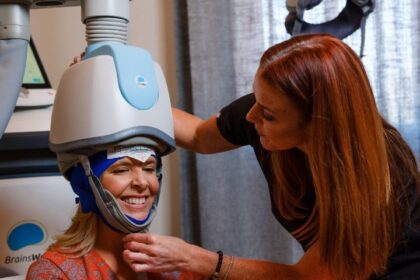
- Transcranial Magnetic Stimulation (TMS): A non-invasive procedure that uses magnetic fields to stimulate nerve cells in the brain, often recommended for individuals who have not responded to traditional treatments such as antidepressants.
- Esketamine: A nasal spray derived from ketamine, used to treat treatment-resistant depression and major depressive disorder.
Practitioners may combine these services to create an approach that reflects each patient’s goals and circumstances. Treatment plans are often reviewed and adjusted over time as a person’s needs change.
Seek Professional Psychiatric Care
Understanding psychiatry helps individuals recognize when professional support may be beneficial. Mental health conditions are common, and reaching out for help is a constructive step toward managing symptoms and maintaining well-being. If you are experiencing signs of a mental health condition, connecting with a psychiatric provider offers a path toward understanding and support.