

Glaucoma is a group of eye conditions that damage the optic nerve, the structure responsible for sending visual information from your eye to your brain. This damage is often linked to higher-than-normal pressure inside the eye, but it can also occur at normal pressure. Without treatment, glaucoma leads to permanent vision loss over time. Here are some FAQ about glaucoma:
What Are the Symptoms?
Many people with glaucoma notice no early symptoms at all, as open-angle glaucoma develops slowly and painlessly. Peripheral vision tends to fade first, but you may not detect the change until the condition has progressed. Angle-closure glaucoma behaves differently. It produces sudden symptoms, including severe eye pain, headache, blurred vision, and nausea. This form is a medical emergency that requires immediate attention. Because warning signs rarely appear in open-angle conditions, regular eye exams remain a reliable way to catch glaucoma early.
Who Is at Risk?
Several factors raise your likelihood of developing glaucoma. Age plays a clear role, and the risk climbs after 60. A family history of the condition increases your chances, since glaucoma tends to run in families. Other contributing factors include:
- High internal eye pressure
- Thin corneas
- Diabetes, high blood pressure, and heart disease
- Severe nearsightedness or farsightedness
- Past eye injuries or surgeries
- Long-term use of corticosteroid medications
Understanding your risk factors helps you and your eye doctor decide how often you need screening. If multiple factors apply to you, your provider may recommend more frequent exams. Routine checkups help track changes over time, and updated information guides clinical decisions.
How Is Glaucoma Diagnosed?
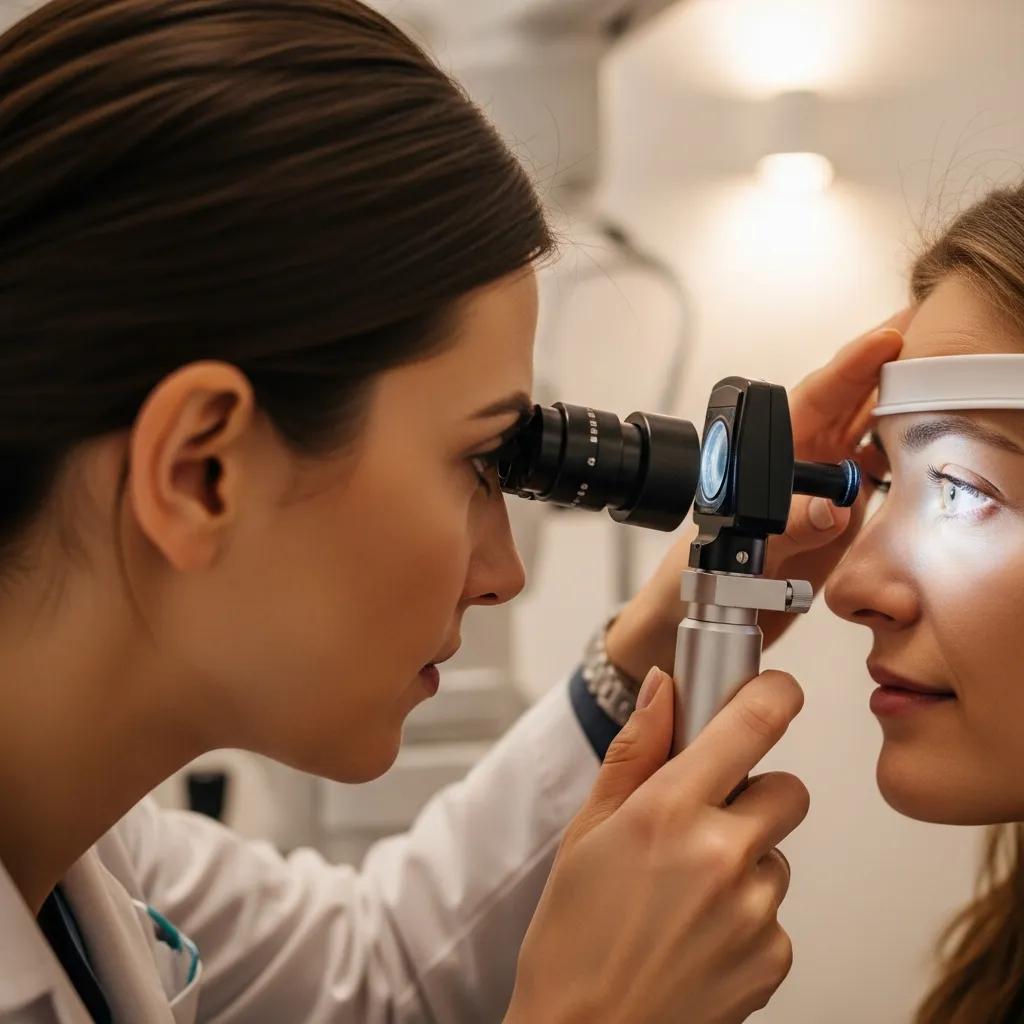
Diagnosis relies on a combination of tests rather than a single measurement. An eye doctor performs a comprehensive exam to evaluate the health of your optic nerve and the pressure inside your eye. Each test examines a specific aspect of eye function:
- Tonometry measures intraocular pressure.
- Ophthalmoscopy lets the doctor inspect the shape and color of your optic nerve.
- Perimetry, also called a visual field test, maps your full range of vision and reveals any blind spots.
- Pachymetry gauges the thickness of your cornea, which influences how pressure readings are interpreted.
- Gonioscopy inspects the drainage angle where fluid leaves the eye.
Doctors often repeat these tests over time; comparing results shows whether the optic nerve is changing. This gives a clearer picture than any one appointment alone. Because glaucoma can progress without obvious symptoms, early changes sometimes go unnoticed unless careful monitoring is maintained.
What Are the Treatment Options?
Treatment focuses on lowering eye pressure to slow further damage. Damage already done to the optic nerve cannot be reversed, so the goal is to protect remaining vision. Your eye doctor selects an approach based on the type and stage of your glaucoma. Prescription eye drops are usually the first step. These medications either reduce fluid production inside the eye or improve drainage. Oral medications are sometimes added when drops do not lower pressure enough.
Laser procedures offer another route. Trabeculoplasty treats open-angle glaucoma by improving fluid outflow, while iridotomy creates a small opening to relieve angle-closure cases. When medication and laser treatment fall short, surgery may be the next option. Surgical methods include trabeculectomy, which forms a new drainage channel, and drainage implants redirect fluid away from the eye. Minimally invasive glaucoma surgery, often paired with cataract removal, provides a gentler alternative for some patients. Your doctor will explain which combination fits your situation and adjust the plan as your condition evolves.
Visit a Glaucoma Specialist
Although symptoms may not appear early, early detection and consistent monitoring shape how glaucoma is managed over a lifetime. A glaucoma specialist is trained to evaluate your optic nerve, measure your eye pressure, and track changes between visits. Treatment plans often evolve, and patient adherence plays a key role in long-term success. If you have risk factors or notice changes in your vision, schedule a comprehensive eye exam with a glaucoma specialist today.