
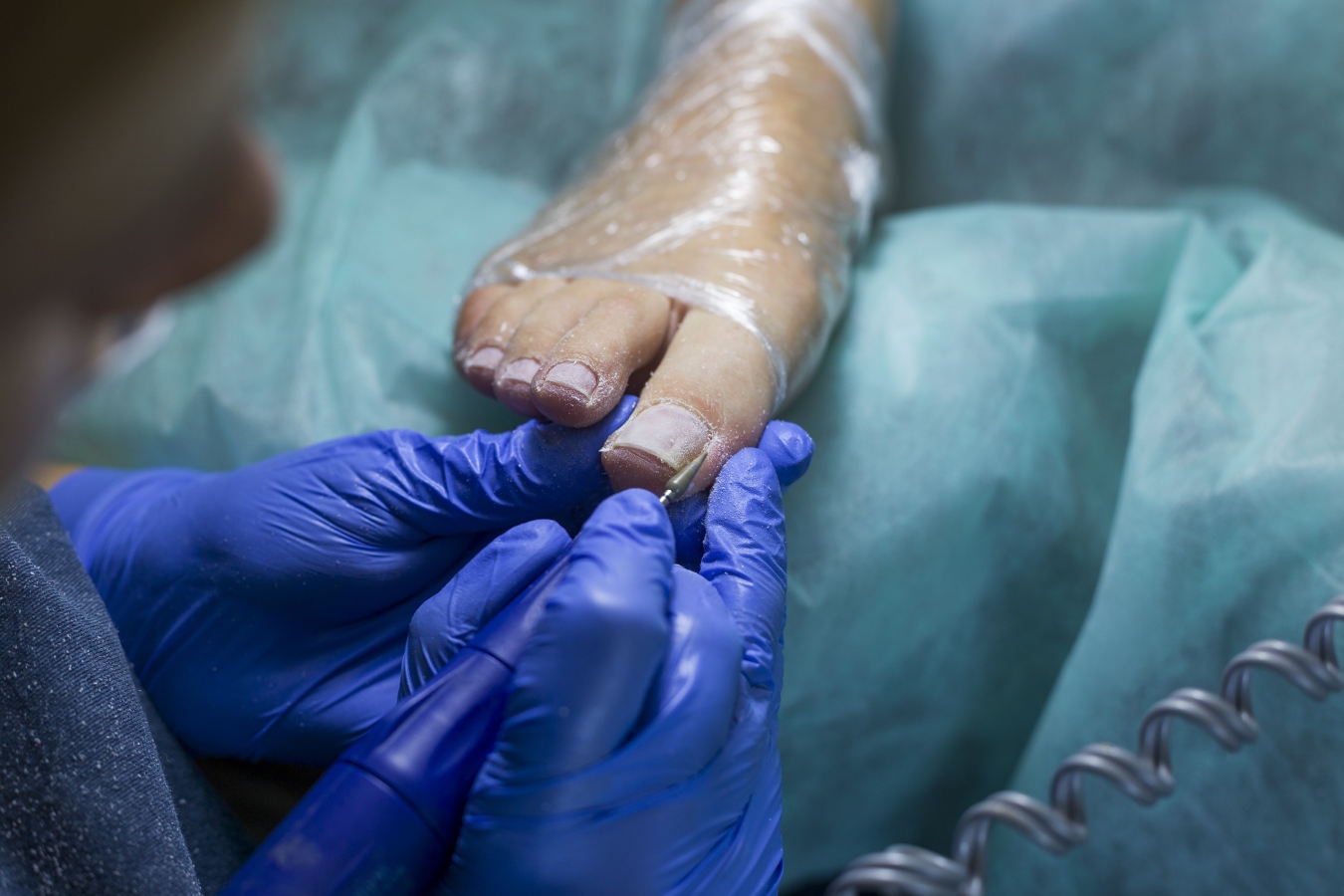

Ingrown toenails can seem limited to one toe. It changes how you walk, and that shift may affect other parts of your foot. When pressure builds around the nail, pain, skin damage, and an increased risk of infection sometimes follow.
What are Nail Care Risks?
Nail-trimming habits often start the problem. Cutting nails too short increases pressure on the skin, and rounded corners grow into nearby tissue. When the nail edge enters the skin, irritation develops. The area sometimes becomes swollen or tender. Poor nail care also makes repeat problems more likely. Trimming nails unevenly also creates sharp edges. Those edges catch the skin, and they dig in more as you walk. Using dull or dirty tools makes the nail split, and small breaks in the skin follow.
When the skin barrier is damaged, the toe stays irritated longer, and normal healing slows. Repeated trimming in response to discomfort worsens the cycle. As the toe becomes more sensitive, you shift weight away from it. This affects how your foot handles pressure. Over time, uneven pressure stresses nearby toes, the ball of the foot, and the skin under regular walking loads. Picking at the nail worsens the area. It may break the skin, and bacteria enter more easily. When the skin stays damaged, the toe remains sore. Regular walking becomes less comfortable.
What are Footwear Pressure Risks?
When the toe rubs against the shoe all day, the skin may break down. Tight shoes worsen ingrown toenails. That change in movement places extra load on other foot areas. If the nail edge is already inflamed, that force can increase soreness during standing, walking, and stair use. Shoes that fit in length but not width can still cause problems. The foot may slide less, but the sides of the toe stay compressed. When this happens, the skin beside the nail remains irritated and may not settle between activities. When neighboring toes press against the sore toe, the nail edge is forced deeper into the skin. Then swelling may increase. This is common in pointed shoes, but it can also happen in athletic shoes that are too narrow across the forefoot.
What are Activity Pressure Risks?
Some activities raise the risk of toe injury. Running and kicking place repeated force on the toes, and that force irritates ingrown toenails. When the toe often strikes the front of the shoe, the skin can remain inflamed, and healing slows. Repeated impact can also change how you walk. Then other parts of the foot take on more load. Common activity-related stressors include:
- Running downhill, which can drive the toes into the front of the shoe
- Sprinting, jumping, or cutting movements, which increase forward pressure and friction
- Kicking sports, sometimes bend the toe sharply and press the nail into the skin
- Sweaty, poorly fitting athletic shoes soften the skin and increase rubbing
Activity does not always need to stop. Some only need to reduce high-impact movements, and wear shoes with better toe space. Lower-impact options sometimes help temporarily, but stop if symptoms increase. If pain changes how you step, other parts of the foot may absorb more force.
Treat Ingrown Toenails Today
Diabetes adds another concern. Poor blood flow can slow healing, and nerve damage reduces your ability to notice pain or skin injury. Careful monitoring matters, especially when healing seems delayed. If ingrown toenails lead to a cut or infection, the problem may worsen before you notice it.