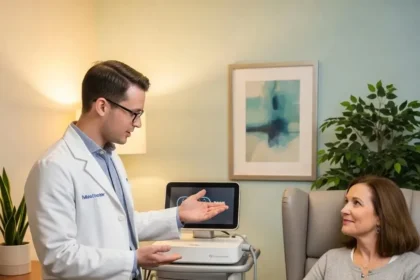

Transitional housing provides temporary shelter and supportive services during recovery. It gives you a stable base, and it connects you to resources that address daily needs. Recovery takes time and steady support, so this housing offers structure while you work toward permanent housing.
Build a Stable Foundation
Transitional housing offers more than a place to stay. Housing case management pairs you with a coordinator who helps you set goals and track your progress. Your coordinator meets with you regularly, reviews your plan, and adjusts support as your needs change. Housing transition and navigation services guide you through applications and explain each step so you understand your options. These services reduce questions and help you move through the process. A case manager reviews your progress regularly, and you can adjust plans when circumstances change.
Addiction support connects you to treatment resources when you need them, so care is available without delay. Housing tenancy and sustainability services begin early in the process and prepare you for the responsibilities of a long-term lease. You learn practical skills from the start, and that preparation reduces barriers later on. These services work together. You gain stability while you focus on recovery.
Find Support That Fits
Several housing options are available, and each one addresses a specific situation:
- Sober living environments: Substance-free spaces supported by addiction support programs; living alongside others in recovery builds accountability and strengthens commitment to sobriety.
- Peer-to-Peer counseling services: Connects you with people who have walked a similar path, offering perspective and a reminder that progress is possible.
- Re-entry housing: Provides a structured setting for people leaving incarceration, supporting a stable transition back into the community.
- Short-term post-hospitalization housing: Offers a safe place to heal after a hospital stay before moving into longer-term arrangements.
- Mother/Baby homes: Houses parents and infants together, with staff who understand the specific needs of families in recovery.
Housing case management helps coordinate these placements, and your coordinator works to match you with an option. Staff reviews your background and goals. They guide you toward the option that gives you the strongest foundation, since each situation is individual.
Move Toward Permanent Housing
Transitional housing prepares you for independent living, since that preparation begins long before you sign a lease. Housing tenancy and sustainability services teach the skills that keep a lease secure, covering budgeting, communication, and maintenance basics. You practice these skills in a supported setting so they become habits before you move on your own. Housing deposit assistance can reduce the upfront cost of a new lease, letting you move forward with fewer financial barriers. Your coordinator helps you identify and apply for available assistance. That support can make permanent housing more accessible. Housing transition and navigation services remain available as you approach your move, with staff guiding you through each step of the process. You take one step at a time, and your support team stays with you.
Discuss Transitional Housing Today
Transitional housing gives you time, structure, and support. Reach out to learn which services fit your needs. Since a team member can explain your options, you begin the process today. Recovery moves forward with the right support, so contact them to start your path toward permanent housing.