
Although some injuries are not immediately life-threatening, they still require timely medical attention when pain develops. The right place for care depends on the injury’s severity and available services, and patients must also review how quickly they need treatment. Urgent care centers offer professional evaluation and treatment for patients who may face longer waits in emergency rooms. Here are some ways urgent care centers help with non-life-threatening injuries:
Offers Walk-In Treatment
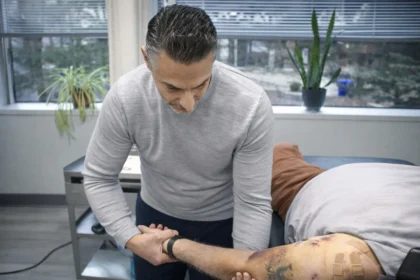
Walk-in service forms the foundation of how urgent care centers operate. No appointment is required; you arrive, sign in, and a clinical team evaluates your injury during business hours. This setup helps when a fall or a sports injury happens outside your doctor’s office hours.
Staff address a range of non-life-threatening conditions. If your situation calls for a higher level of care, the team refers you to an emergency department or a specialist. Common cases include:
- Sprained ankles
- Minor fractures
- Lacerations that need stitches
- Minor burns
- Mild allergic reactions
- Eye irritation
The flexibility of walk-in treatment matters for busy schedules; you can visit before work or during a lunch break. This removes the wait for a scheduled appointment. For injuries that require same-day attention but not emergency intervention, this model provides a practical path to treatment.
Provides On-Site Diagnostic Tools
Many urgent care centers keep diagnostic equipment on the premises, which speeds up the process from arrival to diagnosis. X-ray machines are commonly available. When you suspect a broken bone, an on-site X-ray lets a provider confirm a fracture during the same visit rather than sending you elsewhere.
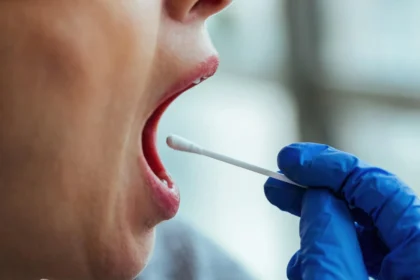
Beyond imaging, these centers often run basic lab tests that help providers evaluate a range of health concerns. Staff perform rapid strep tests, urinalysis, blood glucose checks, and wound cultures. Some locations offer point-of-care testing for common infections. Results often return within the visit, so treatment decisions follow quickly.
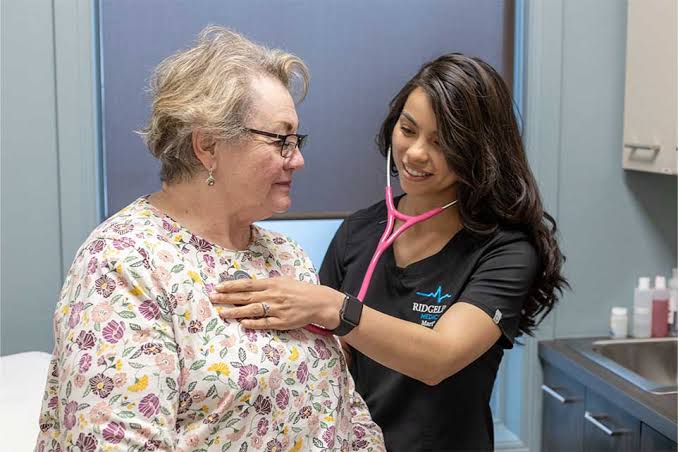
This range of tools supports accurate injury assessment, and it helps providers make informed treatment decisions. A provider examines the wound, orders the right test, and reviews the findings without coordinating across multiple buildings. A deep cut might call for a tetanus check alongside cleaning and stitching. Having lab and imaging capability in one place reduces the back-and-forth that slows down diagnosis.
Supports Shorter Wait Times
Emergency rooms triage patients by severity, so a minor injury often waits behind serious cases. Urgent care centers focus on conditions that require prompt but non-emergency care, which helps keep patient flow steady. You usually spend less time in a waiting room than you might at a hospital ER for the same sprain or cut. Some centers also make it easier to access care by offering online appointment requests; this helps you plan for care in advance. After treatment, staff give you discharge instructions and any follow-up guidance. You leave with a clear plan, often in a fraction of the time an ER visit demands.
Visit an Urgent Care
Non-life-threatening injuries still require timely attention, and urgent care centers provide easy access to treatment. Walk-in appointments, on-site diagnostic tools, and shorter wait times work together to address minor injuries. If your injury needs same-day care but not emergency treatment, find a care center near you.