

Aesthetics and dermatology practices offer non-invasive treatments to maintain clear, hydrated skin. The Hydrafacial procedure offers a standardized approach to facial rejuvenation, and clinical providers perform it using specialized equipment. Since this treatment combines several dermatological techniques into a single session, patients can receive consistent results without significant downtime. Understanding the mechanics of the procedure allows patients to make informed decisions about their care. Here is more information on this type of facial, how it works, and how frequently it is scheduled:
What Is a Hydrafacial?
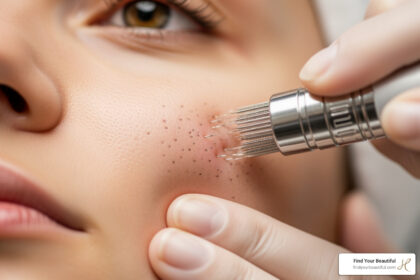
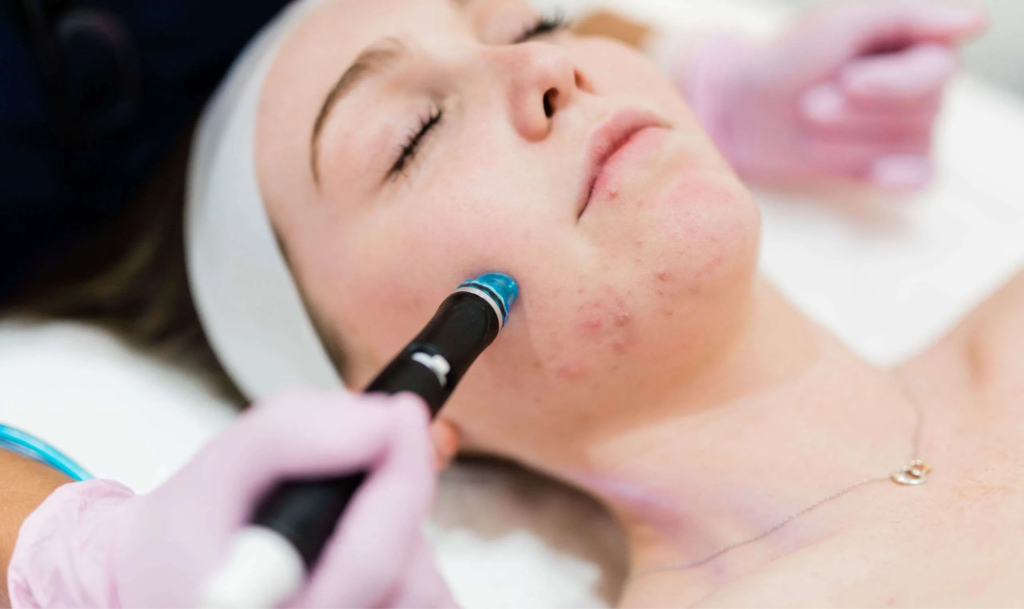
A Hydrafacial is a medical-grade resurfacing treatment that clears out pores and hydrates the skin. Clinical practitioners use a specific device to deliver serums directly into the epidermis. The machine utilizes a specialized wand, and this tool operates on a vortex-like suction mechanism. While the suction extracts debris from the pores, the wand simultaneously pushes moisturizing agents into the tissue. The treatment may provide a measurable improvement in skin texture and hydration levels.
How Does It Work?
This facial follows a multi-step process to extract impurities and hydrate the dermal layers. The first step involves gentle exfoliation and resurfacing, which remove dead skin cells from the outer layer. Dirt and debris are loosened from the pores, and a vacuum-like attachment extracts these impurities without causing pain. This extraction process clears congestion in the sebaceous glands.
Following extraction, the device saturates the skin’s surface with antioxidants and peptides to maximize hydration. The practitioner guides the wand over the treatment area, and the machine simultaneously suctions waste and delivers the nutrient-rich solutions. Since the skin is completely clear of debris, the active ingredients penetrate deeply into the dermis. Patients may experience immediate hydration and a visible improvement in skin texture. The underlying tissues absorb these beneficial compounds rapidly.
Who Does It Help?
This procedure benefits patients across a wide range of skin types and dermatological concerns. Individuals with acne-prone skin may experience fewer breakouts, and fine lines and wrinkles are softened. When treating hyperpigmentation, exfoliation helps fade dark spots and create a more even complexion. The gentle nature of the device makes it suitable for sensitive skin.
How Frequently Are They Scheduled?
Dermatologists may recommend booking a Hydrafacial every few weeks to maintain skin health. The skin naturally regenerates, and scheduling regular treatments removes the newly accumulated dead cells. If a patient is targeting a specific issue such as severe acne, a practitioner may suggest a more aggressive initial schedule. Adhering to a consistent timeline maximizes the cumulative benefits of the therapy. Patients should consult their provider to establish a personalized calendar.
How Are Regular Facials Beneficial?
Regular facial treatments offer several benefits for skin health, including:
- Enhanced Collagen Production: Ongoing therapy stimulates long-term collagen production, which improves skin elasticity and tone.
- Prevents Breakouts: Continually removing environmental pollutants and dead skin cells prevents future breakouts and congestion.
- Preserves Dermal Barrier: Routine maintenance helps the skin function by preserving the dermal barrier.
These cumulative effects can lead to sustained improvements in the skin’s overall structural integrity.
Improve Your Skin Health
A Hydrafacial is a standardized procedure that cleanses, extracts, and hydrates the skin. Patients can achieve better outcomes by adhering to a regular treatment schedule. The procedure addresses diverse skin concerns, and it delivers consistent results without extended recovery periods. Contact a dermatology provider to schedule a clinical consultation. If you are seeking improved skin health, a professional will develop a targeted treatment plan tailored to your specific needs.