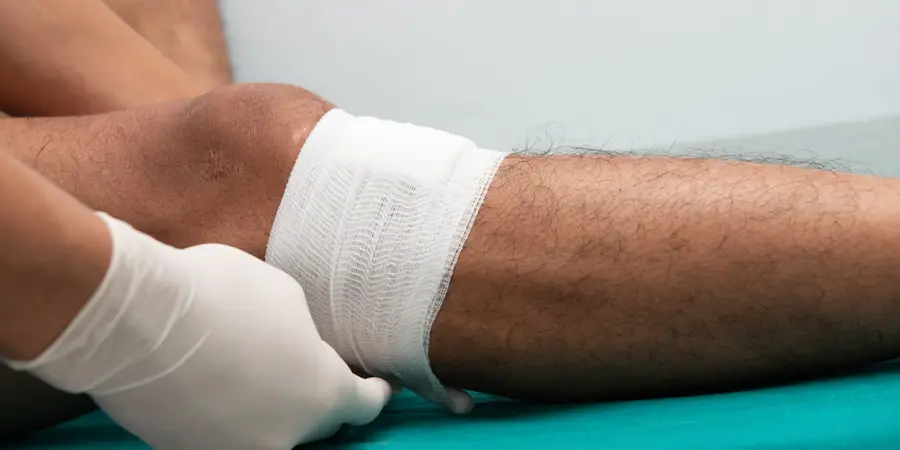

Wounds happen during everyday life, from kitchen cuts to scraped knees, but proper wound care lowers your risk of infection and supports steady healing. Good habits matter most in the first days after an injury. Here are some clear and effective wound care steps you can take at home after a visit to the doctor.
Keep Wound Clean
Clean hands can help protect your wound from infection, so wash with soap and water before you touch the area, and dry your hands fully. Bacteria may spread fast when you skip this wound care step. Rinse the wound gently with cool running water.
You can use mild soap around the edges, but avoid harsh products. Since rough scrubbing damages new tissue, use light pressure only. When the area looks clean, pat it dry with a clean cloth. A gentle hand keeps fragile skin intact. Skip alcohol and hydrogen peroxide, since they slow healing and irritate the wound.
Follow Instructions
Your provider gives directions for a reason, so read the discharge notes carefully and ask questions before you leave the clinic. Clear instructions guide your daily routine. Take medications exactly as prescribed. Since antibiotics work more effectively when they adhere to a schedule, set reminders if you forget doses. Finish the full course even after symptoms fade.
Maintain Dressings
A clean dressing protects the wound. Change it on the schedule your provider gives, and wash your hands first. Old bandages trap moisture and bacteria.
Keep a few supplies ready at home so changes go smoothly. Stock the basics, and store them in a dry place. Good preparation saves time during each change.
Useful items to keep on hand:
- Sterile gauze pads
- Medical tape
- Saline solution
- Clean disposable gloves
Watch the wound each time you replace the dressing. Because warning signs appear early, quick checks help you act fast. Look for changes before you apply a fresh bandage.
Signs that need attention:
- Increasing redness or swelling
- Yellow or green drainage
- Warmth around the edges
- Fever or spreading pain
Avoid Picking
Picking may slow the healing process. Scabs form a natural shield, so leave them alone while they do their job. Your skin rebuilds underneath that crust.
Itching can become an issue during recovery. A clean, moist dressing eases the urge, and gentle tapping helps too. Since broken scabs invite bacteria, keep your fingers away from the area.
Trim your nails short while the wound heals. Short nails reduce accidental scratching. If the itch persists, ask your provider about safe options. Keeping the wound clean is needed for proper recovery, and using a mild, fragrance-free cleanser can help prevent irritation while washing.
Schedule Wound Care Near You
As some wounds need more than home care, deep cuts, animal bites, and puncture wounds call for a professional check. A provider cleans the area and assesses your risk. Watch your symptoms closely during recovery. If redness spreads or fever appears, get help promptly. Because early treatment limits complications, do not wait for the problem to grow. Visit your local urgent care for a wound evaluation today. Walk in or book online, and a provider will review your injury. Bring any questions about dressings, stitches, or medication.