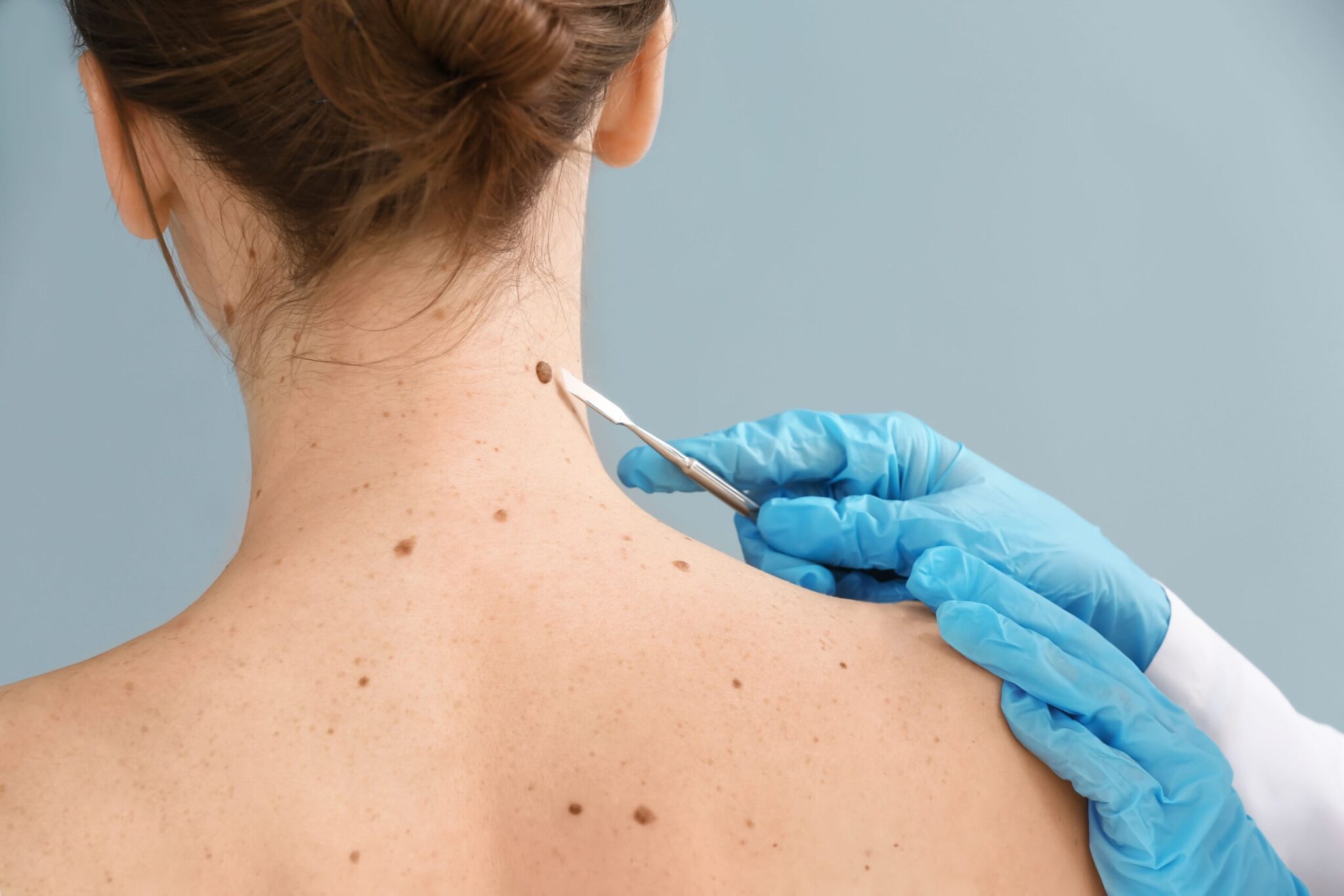

Melanoma is a severe form of skin cancer that may develop after harmful exposure to ultraviolet radiation. Using sunscreen and wearing protective clothing may help reduce the risk. Here are practical melanoma prevention and sun safety tips:
Limit Harmful UV Exposure
Ultraviolet (UV) rays from the sun are a leading trigger for melanoma, and cutting your exposure lowers that risk. You can adjust your daily routine to spend less time under intense sunlight, though you don’t have to avoid the outdoors entirely. The habits below are helpful starting points.
- Avoid peak hours: UV rays are strongest between 10 a.m. and 4 p.m., so schedule outdoor activities earlier or later when you can.
- Seek shade: Trees, umbrellas, and canopies block direct sunlight, and they lower the amount of UV that reaches your skin.
- Skip tanning beds: These devices emit concentrated UV rays, and regular use increases melanoma risk over time.
- Watch reflective surfaces: Water, sand, and snow bounce UV rays back at you, so protection matters even in the shade near them.
Apply Sunscreen Correctly
Sunscreen shields your skin from UV rays, but it only works when you apply it properly. Choose a broad-spectrum product with an SPF of 30 or higher, and spread it on every exposed area about 15 minutes before you head outside. Some people use too little, so a generous, even layer makes a real difference across your face, ears, neck, and hands.
Reapplication is a step people often forget, and it undermines the protection you started with. You should reapply every two hours, and you’ll need to do it more often after swimming, sweating, or toweling off. Keep a bottle in your bag or car, and make sure you cover spots like the back of your neck that are easy to miss.
Wear Sun-protective Clothing
Clothing adds a physical barrier between your skin and UV rays, and it complements sunscreen well. Long-sleeved shirts, pants, and tightly woven fabrics cover more skin, so they reduce the amount of sunlight that reaches you throughout the day. Some garments carry an ultraviolet protection factor (UPF) label, and that rating tells you how much UV the fabric blocks.
Accessories guard the areas clothing alone can’t reach. A wide-brimmed hat shades your face, ears, and neck; sunglasses with UV protection shield the delicate skin around your eyes. You can incorporate these items into your everyday wardrobe, and they keep working even when you forget to reapply sunscreen.
Check for Warning Signs
Regular self-checks help you detect melanoma early, and early detection can influence the treatment options available to you. Examine your skin once a month in good light, and use a mirror or ask someone for help with areas you can’t see. Compare what you find against past observations, and note anything new or shifting. The following signs, often called the ABCDEs, guide what to look for:
- Asymmetry: One half of a mole looks different from the other, and the two sides don’t match.
- Border: The edges appear ragged, blurred, or uneven.
- Color: A single spot shows several shades, such as brown, black, red, or blue.
- Diameter: The mole is larger than a pencil eraser, though smaller spots still require a look.
- Evolving: The mole changes in size, shape, color, or texture, or it starts to itch or bleed.
Schedule Your Melanoma Appointment Today
Melanoma prevention rests on a few habits. These include limiting UV exposure, applying sunscreen correctly, wearing sun-protective clothing, and checking your skin for warning signs. These steps support early detection when a mole changes in color, size, shape, or texture. Contact a qualified dermatologist near you to schedule your melanoma appointment today.