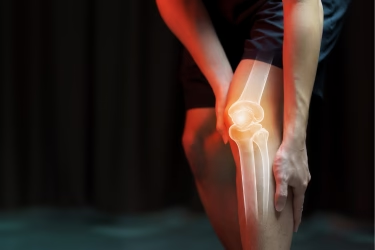

Arthritis affects many people, and it brings stiffness, swelling, and aching joints. The discomfort can interfere with daily tasks, from opening jars to climbing stairs. Since symptoms vary from person to person, you may find that certain approaches suit your body better than others. Here are several natural options for arthritis pain that people use alongside medical care:
Low-impact Exercises
Movement keeps your joints flexible, and gentle activity places less strain on sensitive areas. Walking is a simple option to explore. When you stay active most days of the week, you help maintain muscle strength around the joints.
Low-impact routines protect your body while keeping you mobile. When needed, these are a few activities that many people with arthritis pain choose:
- Swimming and water aerobics
- Stationary cycling
- Gentle yoga or stretching
These options reduce pressure on the knees and hips, and they let you move at your own pace. Start slowly if you are new to exercise. Talk with your doctor before you begin any new program, especially when pain flares.
Topical Ointments
Topical products deliver relief directly to the skin above a painful joint. Many contain active compounds, and these ingredients create warming or cooling sensations. Since they work locally, they often cause fewer whole-body side effects than oral medicine.
You apply most creams and gels several times a day, though directions differ by brand. Some people notice mild tingling, which fades after a short while. Read the label carefully before use, and wash your hands after each application.
Test a small amount on your skin before using it extensively, as some individuals may experience irritation or an allergic reaction. These topical treatments are convenient and easy to carry, and this makes them a practical option for on-the-go relief. While generally safe, avoid applying the cream to broken skin or near sensitive areas like the eyes.
Herbal Supplements
Certain plant-based supplements have long histories in traditional practice. Turmeric contains curcumin, and some people take it for joint discomfort. Ginger is another helpful choice, and it appears in teas, capsules, and fresh forms. Since supplements interact with medications, ask your pharmacist before you add anything new.
Quality varies widely across products, so you want to choose reputable brands. Here are a few supplements people often research:
- Turmeric or curcumin
- Ginger
- Fish oil
These products come in different strengths, and dosing depends on the specific formula. Follow the package instructions unless a professional advises otherwise. Keep a record of what you take, since this helps your care team review your routine.
Cold Therapy
Cold treatment numbs sore areas, and it may calm swelling after activity. You can apply an ice pack wrapped in a thin towel to a tender joint. When you limit each session to about 15 minutes, you protect your skin from damage.
Cold therapy suits flare-ups and post-exercise soreness for many people. Wait at least an hour between sessions, and check your skin between applications. Never place ice directly against bare skin, because prolonged contact harms the tissue.
Schedule Treatment for Arthritis Pain
A provider can review your symptoms, and they can suggest options matched to your needs. Since arthritis changes over time, regular checkups help you track what works. Contact a pain clinic today to schedule an evaluation for your arthritis pain. Call now to book an appointment that fits your schedule.