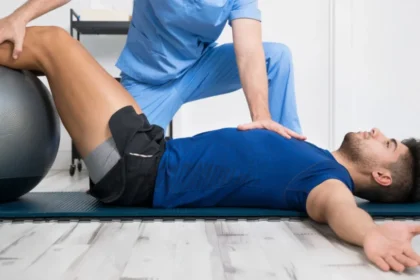

Maintaining good physical health is essential for living a long, happy, and energetic life. Yet, in our fast-paced world, many people neglect their bodies, often putting work, stress, or entertainment ahead of their health. The truth is, small and consistent habits can make a huge difference in improving your physical health. This article will guide you through practical, easy-to-follow tips to enhance your physical well-being and feel your best every day.
1. Prioritize a Balanced Diet
Your body needs the right fuel to function optimally. A balanced diet includes a mix of fruits, vegetables, whole grains, lean proteins, and healthy fats. These foods provide essential vitamins, minerals, and antioxidants that support immunity, energy, and overall health.
Tips for a balanced diet:
- Eat a colorful variety of vegetables and fruits every day.
- Include lean protein sources like fish, chicken, beans, and nuts.
- Choose whole grains such as brown rice, oats, and whole-wheat bread instead of refined grains.
- Limit sugary drinks, processed foods, and fried foods.
Remember, improving physical health starts with what you put into your body. Hydration is equally important—aim for at least 8 glasses of water daily to keep your body functioning well.
2. Stay Active Regularly
Physical activity is one of the most effective ways to improve health. Exercise helps control weight, reduces the risk of chronic diseases like diabetes and heart disease, and boosts mood.
Simple ways to stay active:
- Aim for at least 30 minutes of moderate exercise most days of the week.
- Include a mix of cardio (walking, jogging, cycling), strength training (weights, resistance bands), and flexibility exercises (yoga, stretching).
- Take breaks to move during the day, even if it’s a short walk or stretching session.
You don’t need a gym membership to stay active. Daily routines like walking your dog, taking stairs, or even dancing at home count as effective exercise.
3. Get Enough Sleep
Sleep is often overlooked, but it is vital for physical health. Adults need 7-9 hours of quality sleep each night. During sleep, your body repairs tissues, strengthens immunity, and restores energy. Poor sleep can lead to weight gain, fatigue, and weakened immunity.
Tips for better sleep:
- Maintain a consistent sleep schedule, even on weekends.
- Create a relaxing bedtime routine, such as reading or meditating.
- Keep your bedroom cool, dark, and quiet.
- Limit screen time before bed, as the blue light can disrupt sleep.
Good sleep improves concentration, mood, and overall health. Think of it as a natural reset button for your body.
4. Manage Stress Effectively
Stress negatively affects your physical health by increasing the risk of heart disease, high blood pressure, and digestive problems. Learning to manage stress is crucial for overall well-being.
Effective stress management techniques:
- Practice mindfulness or meditation to calm your mind.
- Engage in physical activity, which naturally reduces stress hormones.
- Take short breaks during work or stressful situations.
- Talk to friends, family, or a professional for emotional support.
Reducing stress not only improves your health but also enhances your quality of life and relationships.
5. Avoid Harmful Habits
Certain habits can harm your physical health over time. Reducing or eliminating these behaviors can drastically improve your well-being.
Harmful habits to avoid:
- Smoking: Increases the risk of cancer, heart disease, and respiratory issues.
- Excessive alcohol consumption: Can damage the liver and affect your overall health.
- Overeating or eating unhealthy foods: Leads to weight gain and chronic diseases.
- Sedentary lifestyle: Sitting for long periods can increase the risk of obesity and heart problems.
Replacing harmful habits with healthier alternatives can transform your life. For example, replacing soda with water, or walking instead of sitting for long periods, are small but effective changes.
6. Regular Health Checkups
Even if you feel healthy, regular medical checkups are important. Early detection of health issues can prevent serious problems.
Recommended checkups include:
- Blood pressure and cholesterol tests.
- Blood sugar monitoring.
- Vision and dental exams.
- Annual physical exams.
Taking care of your health proactively allows you to address problems before they become severe. Prevention is always better than cure.
7. Strengthen Your Muscles and Bones
Muscle and bone health are critical for mobility and overall strength. Activities like weight training, yoga, and bodyweight exercises help maintain muscle mass and bone density.
Tips for stronger muscles and bones:
- Include resistance exercises 2–3 times a week.
- Eat foods rich in calcium (milk, yogurt, leafy greens) and vitamin D (sunlight, fish, fortified foods).
- Avoid excessive alcohol and smoking, which weaken bones.
Strong muscles and bones reduce the risk of injuries and improve your overall functionality as you age.
8. Stay Hydrated
Water is essential for every bodily function, from digestion to temperature regulation. Dehydration can lead to fatigue, headaches, and even more serious health issues.
Hydration tips:
- Drink water regularly throughout the day.
- Include fruits and vegetables with high water content, like cucumber, watermelon, and oranges.
- Limit caffeinated and sugary drinks that can dehydrate you.
Staying hydrated keeps your body energized, supports metabolism, and helps maintain clear skin.
9. Practice Good Hygiene
Physical health isn’t just about diet and exercise—it also includes hygiene. Proper hygiene prevents infections and illnesses, supporting overall health.
Key hygiene habits:
- Wash hands frequently, especially before meals and after using the restroom.
- Maintain oral hygiene by brushing and flossing daily.
- Keep your environment clean and sanitized.
Good hygiene practices protect you from illnesses and contribute to long-term well-being.
10. Stay Motivated and Consistent
Improving physical health is not a one-time effort—it’s a lifelong journey. Motivation and consistency are key.
Tips to stay motivated:
- Set realistic goals and track your progress.
- Reward yourself for achievements, even small ones.
- Surround yourself with supportive friends or family.
- Remember that small daily habits lead to significant long-term improvements.
Consistency in healthy habits ensures lasting results and a happier, healthier life.
FAQs About Physical Health Improvement
1. How quickly can I see results from improving my physical health?
Results vary depending on your starting point and consistency. Most people notice increased energy, better sleep, and improved mood within a few weeks of following healthy habits.
2. Do I need a gym membership to stay healthy?
No, you don’t. Walking, jogging, bodyweight exercises, yoga, and home workouts are all effective ways to improve physical health.
3. How important is diet compared to exercise?
Both are essential. A healthy diet fuels your body, while exercise strengthens it. Combining both gives the best results.
4. Can stress really affect physical health?
Yes, chronic stress can lead to high blood pressure, heart disease, digestive problems, and weakened immunity. Managing stress is crucial for physical well-being.
5. How can I stay motivated to maintain healthy habits?
Set small, realistic goals, track your progress, and celebrate achievements. Surround yourself with supportive people and focus on the positive changes you notice.
Improving your physical health doesn’t have to be complicated. By following these practical tips—eating well, staying active, sleeping enough, managing stress, avoiding harmful habits, and being consistent—you can achieve better physical health and enjoy a more vibrant life. Start small, stay consistent, and your body will thank you.