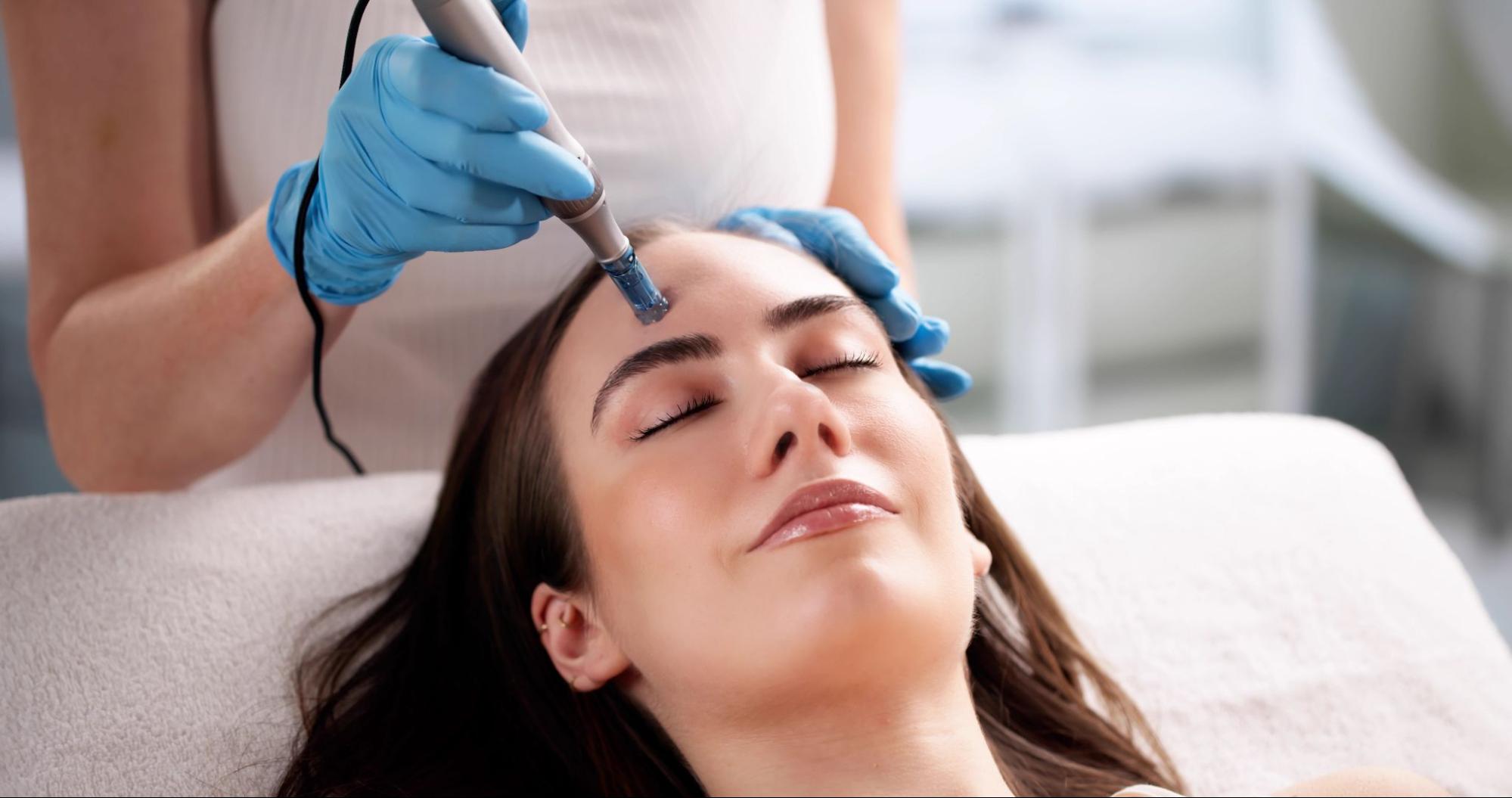

Platelet rich plasma (PRP) therapy is a regenerative treatment that uses the body’s own healing mechanisms. It concentrates platelets from a patient’s blood, and when injected into the body, the platelets help support tissue repair and recovery. PRP therapy can be customized based on the treatment area and each patient’s goals. Here are some reasons to get PRP treatments:
Reduces Pain and Inflammation
Pain and swelling often follow injury, overuse, or chronic conditions. PRP injections aim to address these symptoms by delivering growth factors directly to the affected tissue. Some patients report changes in their discomfort levels after a series of treatments, though individual results vary widely. Athletes with tendon strain, adults with joint stiffness, and people managing soft tissue irritation seek treatment when discomfort begins to interfere with their daily activities.
Platelet rich plasma injections also help reduce inflammation. Inflammation is a natural response to injury, but it can become chronic and contribute to long-term tissue damage if left untreated. By targeting the root cause of inflammation, PRP injections help promote healing and prevent further damage.
Accelerates Healing
Your body relies on platelets to begin the repair process whenever tissue is damaged. PRP places a higher concentration of those platelets at the site that needs attention. The goal is to support the natural mechanisms already at work in your body. A provider often pairs the treatment with physical therapy or rest, and recommendations may change based on how the body responds over time. By accelerating the healing process, PRP helps patients return to their daily activities faster and with less pain. This is especially significant for athletes who need to get back on the field as quickly as possible.
Offers Minimally Invasive Treatment
Minimally invasive treatments promote healing and recovery with reduced downtime and discomfort, and many people don’t want surgery to be the first approach. PRP is delivered via injection, which means it avoids large incisions and the downtime that accompanies surgery. Blood draws take a few minutes; preparation occurs during the same office visit, and the injection follows shortly after.
Since the material comes from your own body, the risk of an allergic reaction is lower than it is with foreign substances. Many patients return to their daily routines quickly, though your provider will guide you based on the treated area. Soreness at the injection site is common. Other temporary side effects include:
- Redness
- Swelling
- Bruising
- Itching
These usually resolve within a day or two. To reduce bruising, avoid taking blood-thinning medications, and applying ice to the injection site helps reduce swelling. Your provider may recommend multiple PRP treatments spaced out over several months for optimal results. This is because the effects of PRP are gradual and build upon each other with each session.
Learn More About Platelet Rich Plasma
PRP offers a non-invasive treatment option for managing pain, slow recovery, or an injury that has not responded to other methods. The treatment uses your own blood and fits within a wider care plan tailored to you. Results vary from person to person, so a detailed conversation with a provider supports an informed decision. Schedule a consultation with a sports medicine center today to learn more.