

Inflammatory bowel disease (IBD) is a group of chronic conditions that cause inflammation in the digestive tract. Common signs may include abdominal pain, persistent diarrhea, and unintended weight loss. Here is an overview of the signs and treatment solutions for IBD:
Recognizing Digestive Symptoms
IBD often presents with changes in the digestive system, which tend to come and go in cycles. You may feel fine for weeks, then face a stretch of discomfort that disrupts your routine. Here are several digestive signs that appear often in people with inflammatory bowel disease (IBD):
- Abdominal pain and cramping: Discomfort tends to center in the lower belly, and it may worsen after meals.
- Diarrhea: Loose or frequent stools can persist for days, and some people notice blood or mucus.
- Bloating and gas: A swollen, tight feeling in the stomach may follow certain foods.
- Urgent or unpredictable bowel movements: You may feel a sudden need to go, and the timing is hard to control.
If these signs recur over several weeks, they may indicate an underlying condition, and a medical review can clarify the cause.
Identifying Whole-body Signs
IBD does not stay confined to the gut; it can trigger symptoms across the whole body. Inflammation affects how your body absorbs nutrients, so tiredness and weight changes often follow. Recognizing these broader signals helps you see the full picture.
Fatigue is a common whole-body sign, and it can linger even after rest. Some people develop joint pain or stiffness, while others experience skin rashes, mouth sores, or red and irritated eyes. Unintended weight loss and a reduced appetite may appear when the gut struggles to process food. Children and teens with inflammatory bowel disease (IBD) sometimes grow more slowly than expected, so parents should track height and weight over time.
Managing Inflammation With Medication
Medication is the foundation of most IBD treatment plans, and the goal is to calm inflammation and keep it under control. Here are the main medication groups doctors may discuss with you:
- Aminosalicylates: These reduce inflammation in the gut lining and are often suitable for milder cases.
- Corticosteroids: Doctors use these for short periods to bring active flare-ups under control.
- Immunomodulators: These adjust the immune response and help maintain longer symptom-free periods.
- Biologics: These target specific proteins involved in inflammation and are suitable for moderate to severe cases.
Your doctor will weigh the benefits and risks of each option and monitor your progress along the way. Regular check-ins matter during treatment, so keep every appointment your care team schedules.
Exploring Surgery and Supportive Care
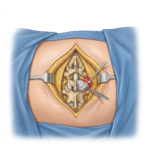
Some people with IBD reach a point where medication alone no longer controls their symptoms, and surgery becomes an approach to contemplate. Surgeons may remove a damaged section of the intestine or address complications such as blockages. A specialist can explain what a procedure involves and outline the recovery process step by step.
Supportive care runs alongside medical treatment, and it plays a helpful role in daily management. People with IBD often work with a dietitian to identify foods that trigger discomfort, while others may find that stress management eases the frequency of flares. Enough sleep, gentle movement, and regular hydration also support your overall wellbeing. A strong support network makes a real difference, so lean on family, friends, or a patient group when you need to.
Get Help for Inflammatory Bowel Disease (IBD)
Managing IBD requires a careful combination of medical treatments, lifestyle adjustments, and emotional support. Each person’s experience differs, so the right approach depends on your symptoms and your goals. Prioritizing stress management, proper sleep, regular physical activity, and hydration can significantly enhance your overall well-being. Contact a qualified gastroenterologist near you to schedule your appointment and get professional help for managing IBD today.