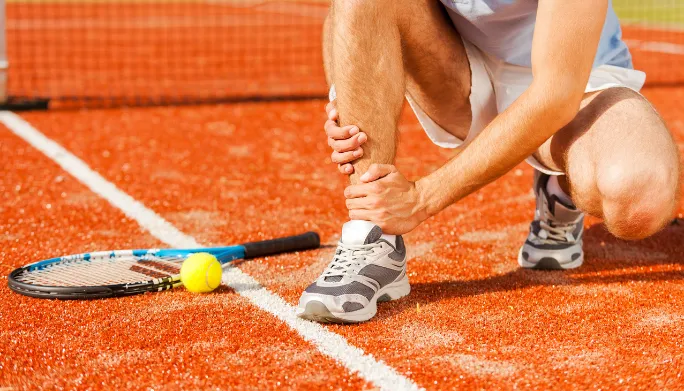

Sports injuries happen fast, and they range from twisted ankles to strained muscles. A sprain might feel minor at first, but small problems sometimes grow when you wait too long to act. Since tissue reacts quickly, prompt attention often shapes how the rest of your recovery unfolds. Here are some of the benefits of early intervention when you encounter a sports injury:
Reduced Damage
Early treatment limits how far an injury spreads through nearby tissue. When you address a strain right away, you protect the surrounding muscles and joints from added stress. A prompt exam helps a provider spot the true extent of the damage. This matters because an untreated sports injury can shift the load onto healthy areas.
Immediate attention also reveals hidden problems, and imaging often confirms what an exam suggests. If a small fracture stays undiagnosed, it may worsen during normal movement. Providers check for these issues early, and they map out a plan based on what they find.
Accelerated Healing
Healing starts the moment your body senses tissue damage. A provider who evaluates the injury early guides that process with targeted steps. You rest the area, apply support, and follow instructions, and each action supports natural repair. Since your body works efficiently with the right conditions, timing shapes the pace.
Early care sets clear boundaries for activity while tissue rebuilds. When you know which movements to avoid, you protect fragile repairs. A structured plan often includes a few practical elements:
- Rest schedules matched to your injury
- Support wraps or braces
- Gradual return-to-motion guidelines
These steps give your recovery a steady structure, and they reduce guesswork along the way.
Controlled Inflammation
Inflammation is your body’s natural response to injury. It brings blood and repair cells to the area, though too much swelling slows things down. When you treat an injury early, a provider helps you manage that response before it builds. Cold therapy and compression often play a role here.
Managing swelling early keeps pressure off nearby nerves and joints. You feel steadier, and you move with less discomfort during daily tasks. Providers explain how to balance rest with gentle motion, which prevents stiffness from settling in. That balance keeps inflammation from lingering longer than needed.
Elevating the injured area also helps reduce swelling by encouraging fluid to drain away from the affected spot. This straightforward step can make a noticeable difference in your recovery. While elevation works well on its own, combining it with other treatments, such as compression or ice, typically leads to faster results.
Faster Return to Sports
While athletes may need to get back on the field, clear guidance shortens the guessing. A provider outlines each stage of your return based on how the injury heals. You follow measurable milestones, so you know when a step is safe. This approach reduces the risk of reinjury from returning too soon.
Structured recovery often follows a simple progression:
- Rest and protect the injury
- Restore range of motion
- Rebuild strength
- Return to full activity
Each stage builds on the last, and skipping steps invites setbacks. When you respect the timeline, your body adapts at a safe pace. Providers adjust the plan as your strength returns, which keeps progress realistic.
Address a Sports Injury Today
Sports injuries respond well to prompt, organized care. When you act quickly, you give your body a clear framework to work within. Visit a local performance institute for a walk-in exam, quick diagnostics, and a practical treatment plan. Professionals can help you take that first step today.