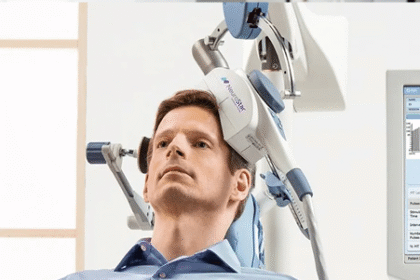

A psychiatrist is a medical doctor who specializes in mental health, including emotional, behavioral, and cognitive conditions. Because psychiatrists hold a medical degree, they can diagnose mental health conditions, prescribe medication, and coordinate broader treatment plans. They work with patients across many stages of life. Regular consultations form a structured part of ongoing mental health care, and these meetings allow a psychiatrist to monitor changes over time.
Tracking Baseline Mental Health
A baseline is a record of a patient’s mental and physical state used to establish a pattern of average health for a patient. When a psychiatrist establishes this record early, later changes become easier to identify. Baseline data may cover mood patterns, sleep habits, energy levels, and reported symptoms. The psychiatrist reviews this information at each visit, and the comparison reveals trends that a single appointment cannot show.
Regular visits build a detailed history. A medical professional who tracks symptoms across months can detect gradual shifts that might otherwise go unnoticed. Some changes appear slowly, so a regular visit with a licensed professional can catch symptoms that a patient may not notice. Consistent records support clearer clinical reasoning, giving the psychiatrist a reference point for evaluating new symptoms. These evaluations can also help differentiate between short-term needs and chronic conditions that require consistent care.
Providing Accurate Diagnosis
Diagnosis in psychiatry depends on observation across time rather than a single measurement. A psychiatrist gathers information through interviews, questionnaires, and reported behaviors. Repeated consultations refine this picture, and observations accompany patient reports for a clearer view. The more a psychiatrist understands a patient’s patterns, the more precise the diagnostic process becomes, and that precision shapes the treatment plan that follows.
Managing Current Medications
Many mental health conditions are treated with medication, and dosage adjustments often require careful timing. A psychiatrist reviews how a patient responds to a prescribed drug during follow-up visits. Side effects can change over time, so regular evaluations can assess any medication issues. When these effects are reviewed at regular intervals, the psychiatrist can modify the dose or switch to an alternative.
Medication management also involves checking for interactions between other medications. A patient may take several drugs at once, and a psychiatrist evaluates how these substances work together. Some combinations reduce the effectiveness of the medication. The psychiatrist documents each adjustment carefully, and this record helps guide future decisions about treatment.
Routine consultations create a feedback loop between the patient and the psychiatrist. A licensed medical professional who meets with a patient consistently can respond to small changes before they grow. Stability often takes time to reach, so ongoing review keeps the medication plan aligned with the patient’s current needs. Since a person’s reactivity to a medication can change, measuring effectiveness can help individuals receive medication that works for them.
Meet With a Psychiatrist
Regular consultations support medical professionals in their ability to track their patients’ symptoms and care requirements. Since regular visits allow for consistent record-keeping, routine checks build a robust health record. Doctors use these visits to evaluate small changes, and they often check medication effectiveness to keep their patients on track. Contact a psychiatrist to begin building a consistent mental health routine.