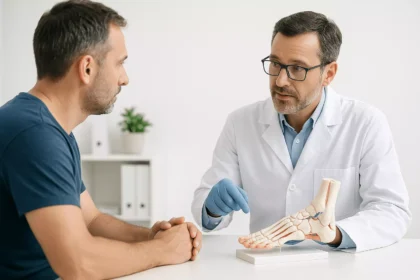

A pain clinic helps patients address chronic or recurring pain that limits movement, independence, and daily activities. They create personalized treatment plans that combine treatment options to reduce discomfort and improve function. Here is more information on pain management and improved mobility:
How Does Pain Limit Movement?
The first step involves identifying how pain changes the way you move. Pain can cause a person to alter their posture or gait to avoid aggravating the pain. This often leads to muscle imbalances and decreased range of motion in joints. A specialist at a pain clinic watches these patterns, and the observations help define where movement breaks down. Here are the key details the pain specialist reviews when measuring how pain affects movement:
- Range of motion: A clinician checks how far a joint moves before discomfort begins.
- Stiffness patterns: Morning stiffness or end-of-day soreness can signal specific issues.
- Compensation habits: Shifting weight or favoring one side often indicates underlying strain.
- Activity avoidance: Skipping certain tasks shows where movement feels unsafe.
Accurate evaluation at this stage promotes a more effective and personalized approach to addressing the underlying issues.
What Should a Plan Include?
No two people move the same way, and no single plan accommodates everyone. A pain clinic uses assessment data to design a plan that aligns with your body, goals, and daily demands. A specialist sets realistic goals, and these goals guide each decision. Some people aim to climb stairs without stopping, while others want to return to gardening or work. Clear targets make progress easy to measure, and they keep the plan grounded in your real life. The plan often combines several methods, and a clinician explains how each one fits. A balanced plan may pair movement therapy with rest and adjust over time as your body responds.
Which Treatments Support Movement?
Some treatments focus directly on helping you move with greater ease. These methods aim to reduce discomfort during activity and often work best when combined. A clinician selects options based on the assessment, and each choice supports a specific movement goal. Here are treatments that often appear in mobility-focused care:
- Physical therapy: Guided exercises build strength and improve flexibility over time.
- Manual techniques: Hands-on work can ease tight tissue and support smooth motion.
- Movement coaching: A therapist teaches safer ways to bend, lift, and walk.
- Heat and cold methods: These temperature-based tools can help relieve soreness before activity.
Each of these treatments is tailored to the individual’s needs, providing a comprehensive approach to restoring and enhancing mobility.
How Can One Maintain Mobility?
A pain clinic often teaches habits that support long-term mobility. Stretching in the morning, standing during breaks, and walking after meals help maintain joint flexibility. A specialist may also schedule check-ins, and those visits monitor how well the plan is working. If discomfort returns or new limits emerge, the clinician quickly adjusts the plan. You should also contemplate rest and recovery. Recovery time lets tissue heal, and balanced rest may prevent new strain.
Visit a Local Pain Clinic
Effective pain management requires a balanced approach that combines tailored treatment plans, ongoing adjustments, and periods of rest to promote healing and maintain mobility. Regular check-ins with your pain specialist make sure your care adapts to your body’s evolving needs, preventing discomfort and supporting long-term progress. Contact a reputable pain clinic in your area to book your appointment today.