

Cardiologists evaluate and manage a wide range of conditions that affect the heart and cardiovascular system. Cardiac care includes the diagnosis, treatment, and monitoring of concerns such as high blood pressure, high cholesterol, arrhythmias, and other heart-related conditions. Working with a cardiologist allows patients to receive personalized guidance based on their symptoms, health history, and cardiovascular needs. Here is more information about a cardiologist in heart disease prevention:
Identifying Cardiovascular Risk Factors
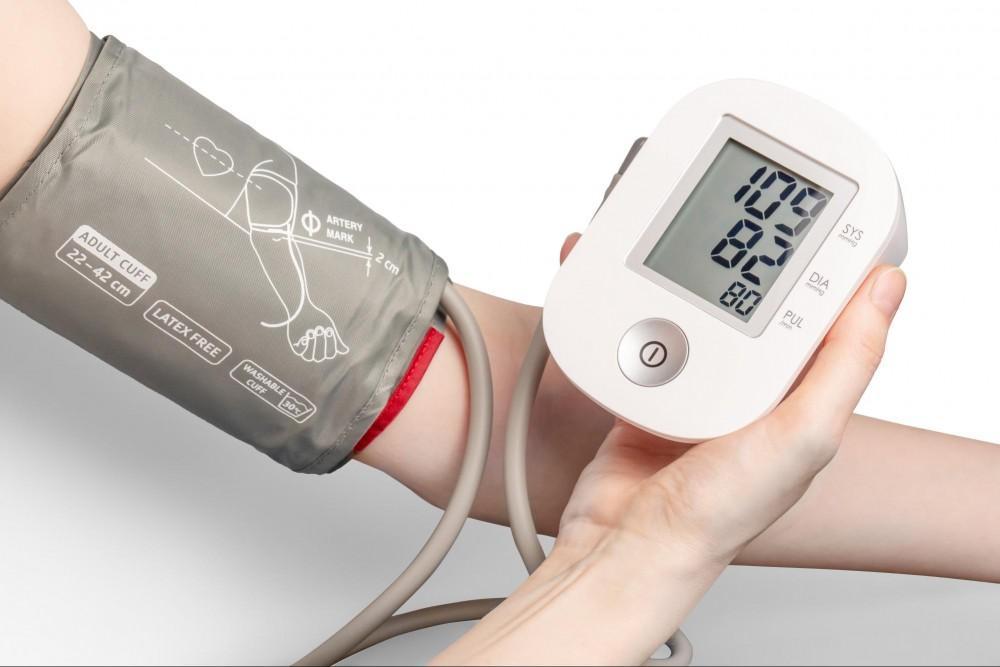
A cardiologist evaluates multiple factors when assessing cardiovascular health, including family history, blood pressure, cholesterol levels, body weight, and lifestyle habits. Conditions such as high blood pressure and high cholesterol may require monitoring through regular evaluations and diagnostic testing. Tests such as electrocardiograms (EKGs), echocardiograms, and stress tests provide information about heart function and help guide care based on each patient’s health profile.
Diagnosing Heart Conditions Early
A cardiologist uses specialized training and diagnostic tools to evaluate conditions affecting the heart and blood vessels. Advanced testing helps identify structural, electrical, and circulation-related concerns that may require further evaluation. Common diagnostic procedures include:
- Echocardiograms: Use ultrasound imaging to evaluate the heart’s structure and function.
- Nuclear stress testing: Evaluates blood flow to the heart during physical stress.
- Arterial, carotid, and venous Dopplers: Assess blood flow through major blood vessels.
- Cardiac catheterization: Examines the coronary arteries for potential blockages.
These evaluations provide information that helps cardiologists understand a patient’s cardiovascular health and develop a care plan based on individual findings, symptoms, and risk factors.
Managing Preventive Treatment Plans
A cardiologist develops a personalized care plan after evaluating cardiovascular risk factors and health concerns. Treatment plans may include medication management, dietary recommendations, exercise guidance, and other lifestyle adjustments based on each patient’s condition and goals. These approaches are tailored to address individual health needs and support ongoing heart care.
Follow-up appointments allow cardiologists to monitor changes and adjust treatment recommendations as needed. Regular evaluations provide an opportunity to review progress, assess new concerns, and update care plans based on the patient’s current health status. This ongoing approach helps guide long-term cardiovascular management.
Performing Targeted Cardiac Interventions
Cardiologists may recommend targeted procedures when additional treatment is needed to manage certain heart conditions. Interventions such as angioplasty, stenting, pacemaker implantation, and enhanced external counterpulsation (EECP) are evaluated based on each patient’s symptoms, diagnosis, and overall health. These procedures are used to address specific cardiovascular concerns, and a cardiologist reviews the potential benefits, risks, and treatment goals when determining the most appropriate approach.
Promoting Long-Term Heart Health
Preventive cardiology includes ongoing guidance and monitoring that extends beyond individual appointments. A cardiologist may discuss lifestyle factors such as physical activity, nutrition, smoking cessation, and stress management as part of a broader approach to cardiovascular care. Recommendations are tailored to each patient’s health history, needs, and goals.
Regular follow-up visits allow cardiologists to review changes in health, monitor progress, and adjust care plans when needed. Patients with certain risk factors or a history of cardiovascular concerns may require continued evaluation based on their individual circumstances. Ongoing care helps support long-term heart health management.
Schedule Your Cardiologist Appointment Today
Preventive cardiology involves monitoring, evaluation, and personalized care based on each patient’s cardiovascular needs. A cardiologist can assess risk factors, perform diagnostic testing, and discuss treatment options. Schedule an appointment with a cardiologist to evaluate your heart health and discuss your care options.