
Migraines affect many adults, and they can disrupt work, sleep, and daily routines. For people who deal with frequent or long-lasting attacks, standard pain relievers may fall short. This has led many to look at other treatment paths, including Botox. Botox for migraines has become a recognized option for managing the condition.
What Are Migraines?
A migraine refers to a neurological condition marked by intense, often throbbing pain, usually on one side of the head. Attacks can last anywhere from a few hours to several days, frequently coming with other symptoms that interfere with normal activity. People who experience migraines often report sensitivity to light, sound, and smells. Nausea and visual disturbances may also accompany the pain. The exact cause is not fully understood, but researchers point to a mix of genetic factors, chemical changes in the brain, and nerve activity.
How Are They Diagnosed?
Recognizing the signs of a migraine is the first step toward finding relief. Many attacks move through distinct phases, but not everyone experiences each one. Common signs and symptoms vary from person to person, including:
- Throbbing or pulsing pain, often on one side of the head
- Sensitivity to light, sound, or certain smells
- Nausea or vomiting
- Vision that is blurred or seeing flashes of light and blind spots
- Sensation of tingling in the face or hands
Diagnosis usually begins with a conversation about your symptoms and medical history; a healthcare provider may ask about how often headaches occur, how long they last, and what triggers seem to bring them on. There is no single test that confirms a migraine. A provider relies on your reported symptoms and a physical or neurological exam. Imaging tests such as an MRI scan may be ordered to rule out other conditions. Once other causes are excluded, a diagnosis can be reached and a treatment plan discussed.
How Does Botox Treat Them?
Botox is the brand name for a purified form of botulinum toxin. In small, controlled amounts, it temporarily relaxes muscles, and it can affect certain nerve signals. For chronic migraine management, providers use it in a specific, approved way.
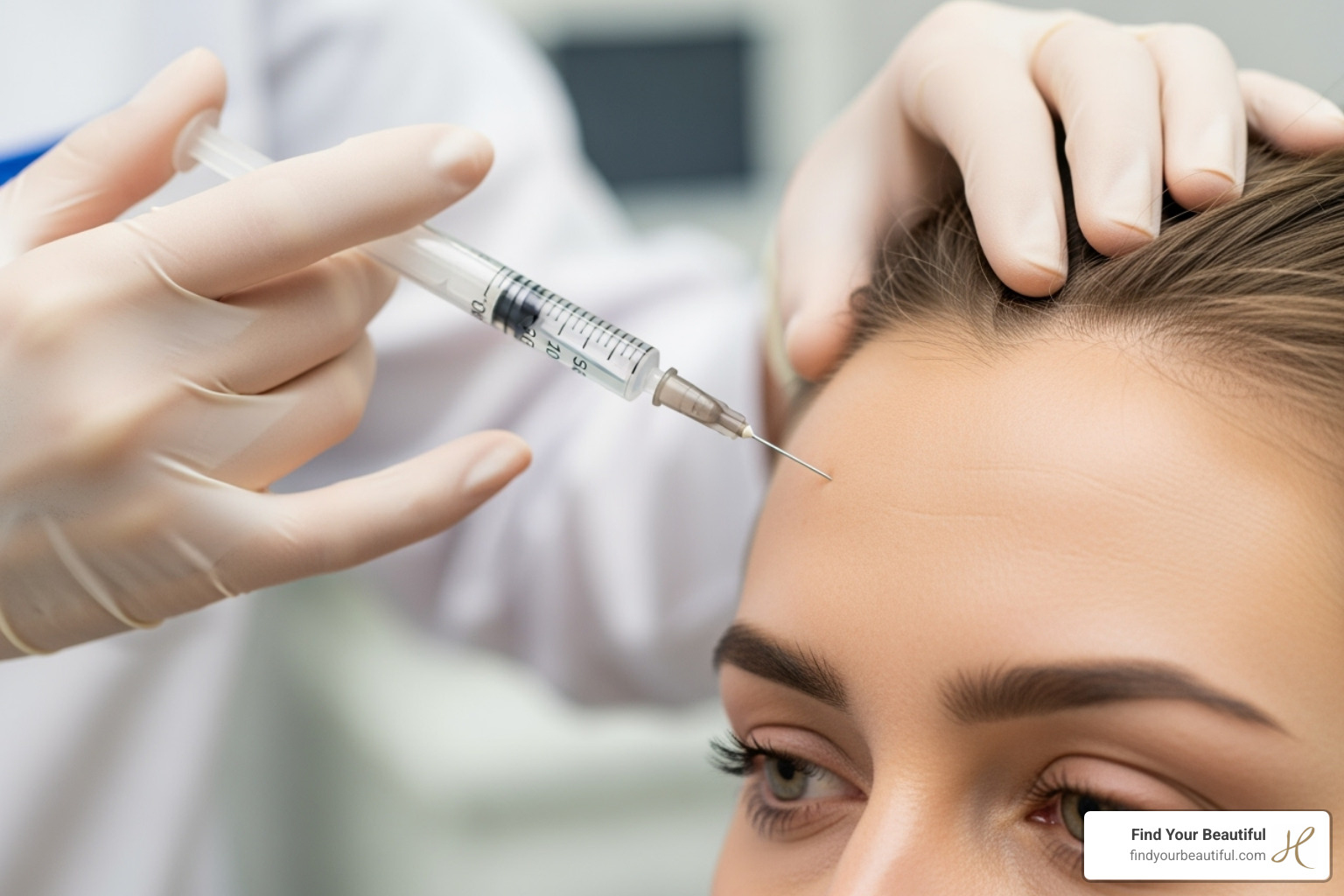
Botox for migraines is a series of small injections placed around the head and neck. The theory behind the treatment is that Botox may block the release of chemicals involved in transmitting pain signals. By interrupting this process, it can reduce how often migraines occur for some patients. Results are not immediate. Many people receive treatments about every few months, and benefits may build over several rounds. A provider will evaluate whether this approach aligns with your specific situation before moving forward.
Seek Botox for Migraines
Chronic migraines can shape how you experience daily life, but understanding your options allows you to seek care. Botox represents one treatment path among several. If frequent migraines are part of your routine, you may speak with a healthcare provider who treats this condition. You can review your symptoms, explore whether Botox is a reasonable fit, and build a plan suited to your needs. Knowing how this treatment works helps you to move forward with clarity.