
Gynecologists evaluate menstrual irregularities, diagnose reproductive health conditions, and provide medical care tailored to each patient’s needs. Routine gynecologic visits allow providers to assess changes in menstrual health and address concerns through appropriate evaluation and treatment. Regular care also supports ongoing reproductive wellness through preventive screenings, education, and long-term health management. Here is more information on the role of your gynecologist in menstrual health and wellness:
Evaluating Menstrual Cycle Irregularities
A gynecologist evaluates menstrual cycle patterns and investigates concerns such as heavy bleeding, missed periods, or other irregularities. While occasional changes in cycle timing can occur, persistent symptoms often require further assessment. During an evaluation, providers review medical history, discuss symptoms, and perform examinations to better understand potential causes.
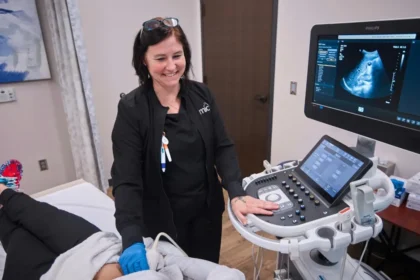
Diagnostic testing may include ultrasound imaging and other tools that help providers examine reproductive structures and identify underlying conditions. Gynecologists analyze test results alongside reported symptoms to develop an accurate clinical picture. This information helps guide treatment recommendations and ongoing management based on each patient’s individual needs.
Diagnosing Specific Gynecological Conditions
Gynecologists diagnose and manage reproductive health conditions such as endometriosis, ovarian cysts, and other causes of pelvic pain or menstrual changes. They evaluate symptoms, review medical history, and use diagnostic testing to identify underlying causes. Because some conditions overlap in symptoms, evaluation may involve multiple steps. Early assessment supports accurate diagnosis and treatment planning.
Performing Routine Preventive Screenings
Well-woman exams play a role in preventive gynecologic care by helping providers monitor reproductive health and identify potential concerns. During these visits, gynecologists may perform pelvic exams and recommend screenings such as Pap smears based on a patient’s age, medical history, and individual risk factors. These evaluations help detect cellular changes and other findings that may require further assessment. Screening schedules vary, and providers adjust recommendations according to each patient’s healthcare needs.
Gynecologists also review medical history, discuss current symptoms, and update health records during routine visits. This information helps guide preventive care and supports informed decision-making about future screenings and treatment options. If a screening or examination reveals an abnormal finding, providers may recommend additional testing to gather more information. Regular health evaluations allow patients and providers to monitor changes over time and address concerns as they arise.
Providing Targeted Medical Treatments
Gynecologists provide treatment for a range of reproductive health concerns, including painful menstrual bleeding, polycystic ovary syndrome (PCOS), and other gynecologic conditions. Treatment plans may include medication management, contraceptive counseling, hormone-related therapies, or minimally invasive procedures when appropriate. Providers evaluate each patient’s symptoms, medical history, and diagnostic findings before recommending a course of care. These individualized approaches help address specific reproductive health needs and support ongoing management of gynecologic conditions.
Answering Patient Health Questions
Patients often have questions about reproductive health, symptoms, treatment options, and preventive care, and gynecologists provide clear information to help them understand their health concerns and care options. These discussions support informed decisions by covering procedures, risks, recovery timelines, and follow-up needs. Because reproductive health changes over time, patients benefit from individualized guidance. Open communication with providers supports ongoing care and helps address questions as they come up.
Schedule Your Gynecologist Appointment Today
Regular gynecologic care allows providers to monitor reproductive health, perform preventive screenings, and address concerns as they arise. Routine appointments give patients an opportunity to discuss symptoms, review treatment options, and receive individualized medical guidance. Ongoing evaluations help support informed healthcare decisions throughout different stages of life. Contact a gynecology office today to schedule your next medical evaluation.