
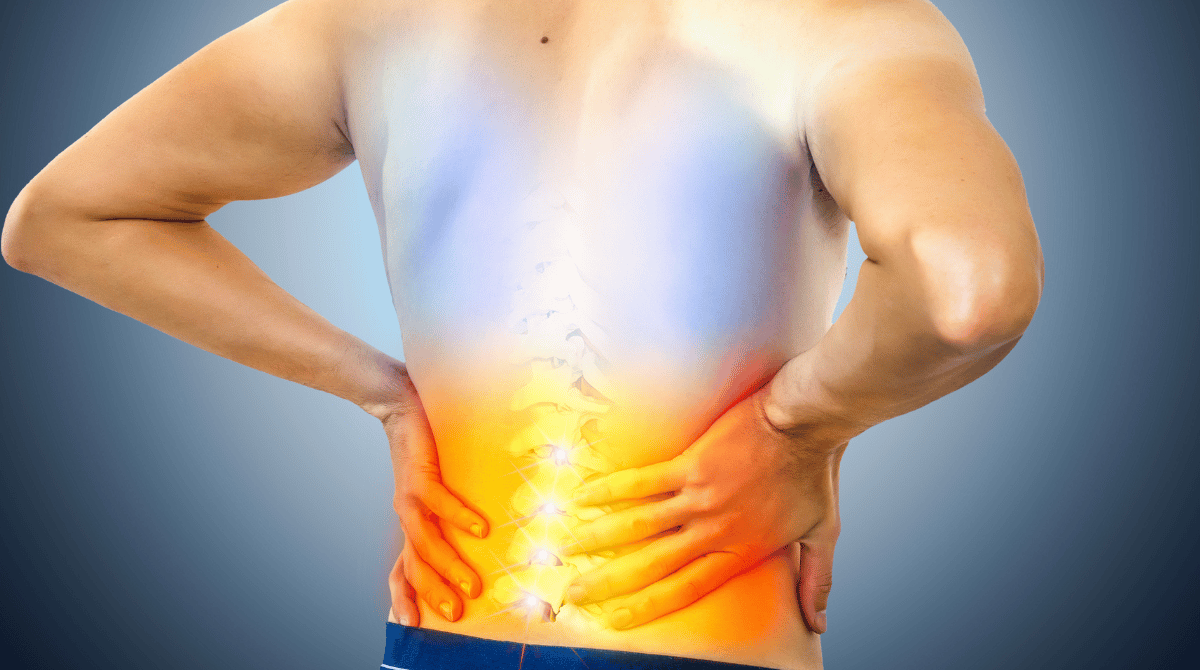

Sciatic nerve pain travels from your lower back down through each leg. It often results from compression along the sciatic nerve, and the discomfort can range from mild to severe. Many patients search for practical relief; while some methods ease symptoms quickly, others require consistent effort.
Movement and Pain Relief
Movement supports nerve health and reduces stiffness. Gentle activity keeps your spine mobile, and it also improves circulation to affected tissues. Prolonged sitting worsens sciatic nerve pain, so short walks help. Physical therapy offers structured guidance for safe movement. A licensed therapist assesses your specific limitations and designs targeted exercises around them. These routines strengthen the muscles supporting your lower back, and they also improve flexibility in the areas surrounding the sciatic nerve. Over time, a stronger core reduces the load placed on your spine. Consistency matters most here, so aim to follow your prescribed routine daily. If a particular exercise increases your pain, tell your therapist right away so they can adjust your plan.
Habits That Reduce Pain
The practical steps below cover the most effective habit adjustments to get you started:
- Stand and move for a few minutes if you sit for long periods.
- Use a lumbar support cushion to maintain spinal alignment while seated.
- Apply ice for acute inflammation or heat for muscle tightness.
- Place a pillow between your knees when sleeping on your side to reduce spinal strain.
- Avoid placing ice or heat directly on bare skin to prevent irritation.
Heat and ice each serve different purposes. Ice reduces acute inflammation, while heat relaxes tight muscles and improves blood flow. Avoid placing ice or heat directly on bare skin to prevent irritation. Sleep position also affects symptoms. Track which changes bring you the most relief, and share that information with your care team.
Treatment Options for Persistent Pain
Treatments extend beyond home care when pain persists. Chronic sciatica sometimes requires medical intervention, and knowing your options helps you make informed decisions about your care. Conservative options come first, and your provider will typically recommend them before discussing procedures. These may include anti-inflammatory medications, corticosteroid injections, or a structured physical therapy program.
Each approach targets pain and inflammation in different ways, so your provider will guide you toward the right starting point. When conservative care does not bring you enough relief, advanced treatments are available. A trial period allows you to assess how well it works. Not every patient requires surgery, but for those with structural causes of sciatica, it can provide lasting relief. Discuss these treatments openly with a spine specialist in order to find the approach that best matches your condition and goals.
Discuss Sciatic Nerve Pain
Chronic sciatic nerve pain responds to a combination of movement, daily adjustments, and appropriate treatments. Start with gentle activity and posture changes, then track your progress carefully. If symptoms persist, consult a spine specialist to explore physical therapy, spinal cord stimulation, or minimally invasive spine surgery. Schedule an evaluation today, so you can build a plan suited to your needs.