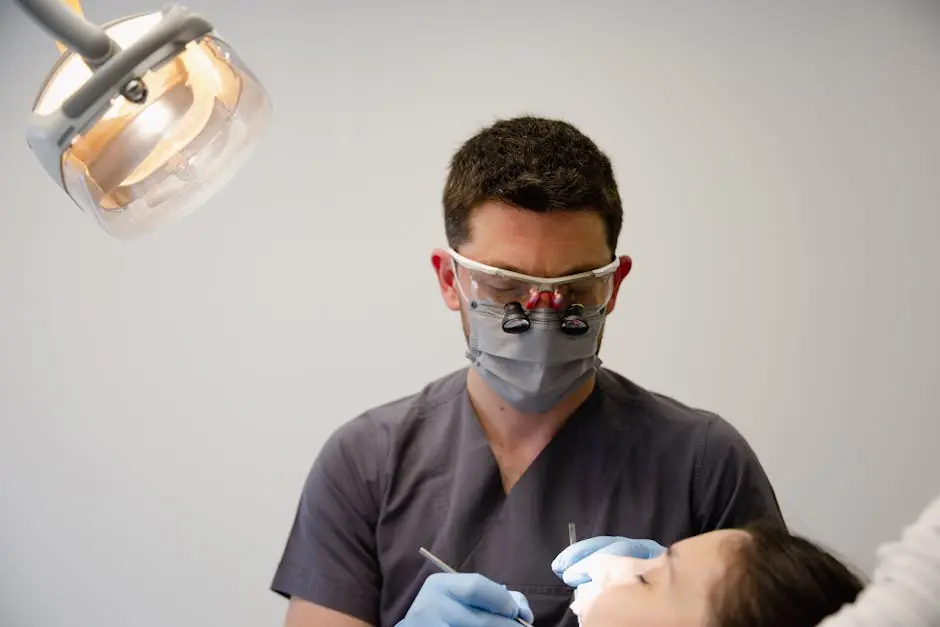

Dental exams play a key role in maintaining oral health and identifying concerns before they become more complex. During these visits, dentists evaluate the teeth, gums, and overall condition of the mouth while looking for signs of potential issues. Preparing for an appointment helps patients communicate concerns and make the most of their examination. Understanding what to expect before a dental exam supports a smoother and more productive visit. Here are a few tips for preparing for your dental exam:
Gathering Your Records
Gathering dental records before an appointment helps provide a more complete picture of a patient’s oral health history. Insurance information, previous treatment records, and other relevant documents allow the dental team to review past care and identify ongoing concerns. Having this information available can make the examination process more efficient.
Previous dental X-rays also provide valuable information during a comprehensive dental exam. These images help dentists compare changes over time and evaluate the condition of the teeth, gums, and supporting structures. Patients who have recently changed providers may benefit from requesting records in advance so the information is available at the time of the visit.
Listing Your Concerns
Before a dental exam, patients may benefit from making a list of any symptoms or concerns they have noticed, such as tooth pain, sensitivity, bleeding gums, or changes in oral health. Sharing these observations helps the dentist focus on specific areas during the examination and provides valuable information about potential issues. Dental exams often include evaluations for gum disease, oral cancer, and other conditions, so reporting changes such as loose teeth, discomfort, or sensitivity supports a more thorough assessment.
Brushing and Flossing
Brushing and flossing before a dental appointment help prepare the mouth for a more thorough examination. Good oral hygiene removes food particles. It also removes some plaque buildup, making it easier for the dental team to evaluate the teeth and gums. Many patients also choose to avoid heavy meals immediately before their visit.
Home care supports oral health, but it does not replace professional dental cleanings. During a routine appointment, a hygienist removes plaque and tartar that brushing and flossing cannot eliminate. Arriving with clean teeth helps the dentist obtain a clearer view of tooth surfaces and gum tissue during the exam.
Planning Your Schedule
Planning enough time for a dental appointment helps create a more comfortable experience. Patients may benefit from scheduling visits on days with fewer time constraints and arriving a few minutes early to complete any necessary paperwork. Because a dental exam is often performed alongside a professional cleaning, appointments may take longer than expected. Allowing extra time before and after the visit helps reduce stress and support a smoother check-in process.
Schedule Your Dental Exams Today
Preparing for a dental exam helps patients make the most of their appointment. Gathering records, noting concerns, maintaining good oral hygiene, and allowing enough time for the visit all contribute to a more thorough evaluation. These simple steps help dental professionals obtain accurate information and address individual oral health needs. Schedule your next dental exam today to stay on track with your oral health.