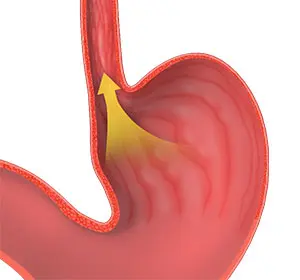

GERD (gastroesophageal reflux disease) is a chronic digestive condition in which stomach acid flows back into the esophagus, causing persistent symptoms such as heartburn and regurgitation. A gastroenterologist can diagnose GERD, and they will recommend treatments ranging from lifestyle changes to medication. Understanding what GERD is, what causes it, and when to seek specialized care can help patients manage the condition effectively. Here is more information on this condition:
What Is GERD?
GERD is a chronic digestive disorder in which stomach acid repeatedly flows back into the esophagus, the tube connecting the mouth to the stomach. This backward flow, called acid reflux, irritates the lining of the esophagus over time. A gastroenterologist is a specialist trained to diagnose and treat conditions such as GERD, and consulting one can help confirm a diagnosis. Without proper evaluation, GERD can be mistaken for other conditions, delaying effective treatment.
What Causes It?
The physiological cause of GERD involves the lower esophageal sphincter (LES), which is a muscular ring that acts as a valve between the esophagus and stomach. This sphincter typically remains closed. When the LES fails to close properly, stomach acid travels upward, and this retrograde flow irritates the esophageal lining.
Specific lifestyle choices influence the frequency of acid reflux. Since lying down after eating eliminates the gravity that helps keep stomach contents down, patients benefit from remaining upright for several hours after meals. Certain medications may also weaken the sphincter, but clinical consultation is necessary to evaluate these drug interactions.
What Are the Symptoms?
The primary symptom of GERD is a burning sensation in the chest, which is clinically referred to as heartburn. This sensation typically intensifies after eating, and it may worsen at night. Patients may experience dysphagia, non-cardiac chest pain, or the regurgitation of gastric contents into the oral cavity.
Atypical presentations of GERD include chronic cough, laryngitis, and sleep disturbances, which affect quality of life. These symptoms can manifest without the classic heartburn sensation. Identifying these subtle indicators is key for an accurate diagnosis, and documenting their frequency helps clinicians evaluate the severity of the esophageal pathology.
How Can a Gastroenterologist Help?
A gastroenterologist specializes in diagnosing and managing disorders of the digestive system, making them well-equipped to evaluate GERD comprehensively. The diagnostic process may involve an endoscopy. This test provides objective data that guides the selection of the most appropriate treatment plan. Management options vary depending on the severity of GERD:
- Lifestyle modifications
- Medications
- Surgical or procedural interventions
A gastroenterologist will evaluate each patient individually and recommend a treatment plan based on symptom frequency, diagnostic findings, and medical history. Ongoing follow-up with a specialist allows for adjustments to the treatment plan as needed and monitoring for complications.
Seek Specialized Care Today
GERD is a manageable condition, but it does require accurate diagnosis and a structured approach to treatment. Persistent symptoms, particularly those occurring more than twice per week, warrant a consultation with a gastroenterologist. Early intervention can prevent complications and improve overall quality of life. If you experience disruptive symptoms, schedule an appointment with a gastroenterologist today to improve your digestive health.