

Insulin and glucose work together to regulate your energy. Glucose is a sugar from food, and insulin is a hormone that moves it into your cells. When this system falters, blood sugar rises. Diabetes develops as cells lose access to the fuel they need.
Glucose and Your Body
It comes from carbohydrates in foods like bread, fruit, and rice. After you eat, glucose enters your bloodstream, and your blood sugar level rises. Your body needs glucose, but it must stay within a healthy range to prevent damage. Not all carbohydrates affect your blood sugar the same way. This difference matters, since understanding it helps you make food choices for steadier blood sugar. Your liver stores glucose as glycogen, and it releases it when your blood sugar drops.
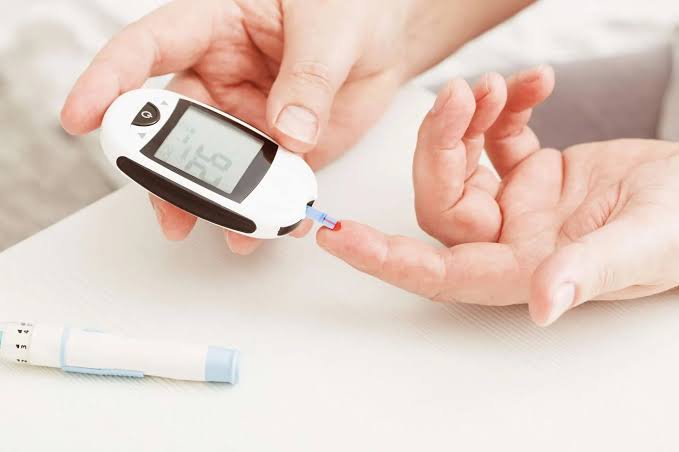
In diabetes, this process can become less precise, and the liver may release glucose even when levels are already sufficient. Knowing this helps explain why blood sugar can rise even without eating. Symptoms include thirst, fatigue, and frequent urination, so you may notice nothing at first. Blood sugar monitoring gives you the data you need to act.
Insulin and Its Role
Understanding how insulin works can help you recognize what your body needs, since you understand your symptoms. When you eat, your blood sugar rises, and your pancreas responds by releasing insulin. This process happens automatically in people without diabetes, but in Type 1 and Type 2, the response is absent or impaired. Your care team will help you understand where your body’s response breaks down. Lifestyle changes can improve how your cells respond to insulin, and early action makes a difference. Different types of insulin work at different speeds. Rapid-acting insulin works quickly after meals. Long-acting insulin provides steady coverage throughout the day, so your provider will recommend a type or combination based on your needs and routine.
Balance and Blood Sugar
Nutritional counseling gives you practical tools, not just general advice. A counselor can help you build meals that pair carbohydrates with protein and fiber, and this slows glucose absorption and reduces sharp rises after eating. You will also learn how portion size, meal timing, and food combinations affect your blood sugar. Physical activity works alongside nutrition to improve insulin sensitivity. Your provider or care team will help you identify activities that fit your current health and fitness level, and they can guide you on how to monitor your blood sugar around exercise safely.
- Pair carbohydrates with protein and fiber to slow glucose absorption and reduce post-meal spikes.
- Eat at regular intervals to give your body a predictable pattern for managing blood sugar.
- Take a walk after meals to lower post-meal glucose levels noticeably.
- Monitor blood sugar around exercise to stay within a safe range during activity.
- Prioritize sleep and stress management, since cortisol from poor rest raises blood sugar.
Addressing these factors is part of a complete diabetes management plan, and your care team can help you identify practical strategies to support rest and reduce daily stress.
Maintain Your Diabetes Today
Managing diabetes starts with understanding, but it continues with action. You now know how glucose and insulin interact, and this knowledge supports better daily decisions. Blood sugar monitoring tracks your progress, and nutritional and lifestyle counseling reinforces healthy routines. Oral medications and insulin therapy remain available. Talk with your provider about a plan built for your needs, since it can be individualized.